The main environmental risks from cyanide use in gold mining are acute exposure of surface water and wildlife, seepage to groundwater, and uncontrolled releases from process or tailings facilities. The actual risk depends on the chemical form and concentration of cyanide, the site water balance, facility design, operating controls, monitoring and emergency preparedness.
Cyanide can be managed within engineered systems, but natural degradation alone is not a complete risk-control strategy. Mines need prevention, containment, monitoring, treatment and documented response plans across the full cyanide lifecycle.
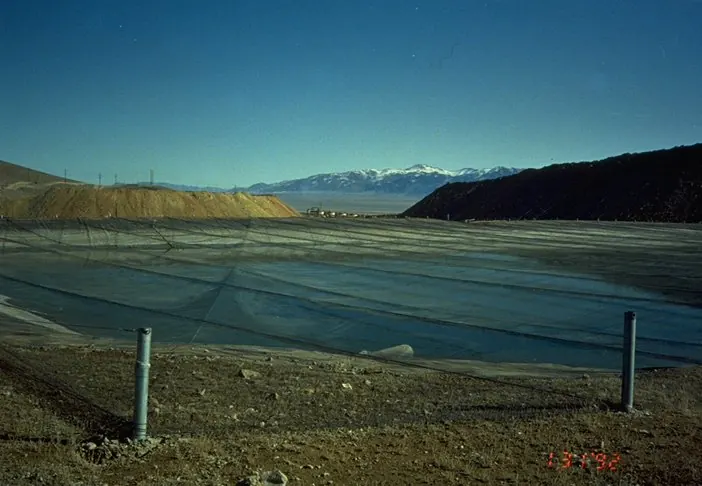
Where Is Cyanide Used in Gold Mining?
In cyanidation, a dilute cyanide solution dissolves gold from crushed or ground ore. The dissolved gold is then recovered through processes such as activated-carbon adsorption in CIP, CIL or CIC circuits. Cyanide-bearing solutions can be present in leach tanks, heap-leach systems, pipelines, ponds and tailings streams.
The International Cyanide Management Code explains that cyanide risk management covers production, transport, unloading, storage, use, process solutions, waste streams, decommissioning, worker safety, emergency response and public disclosure. The Code is a voluntary industry framework and does not replace applicable law or site permits.
For a process-focused explanation, see how sodium cyanide is used in gold mining.
Gold Mining Cyanide Environmental Impact: 3 Main Risks
1. Surface-water and wildlife exposure
Free cyanide can be acutely toxic to aquatic organisms. A release to a river, pond or drainage system may therefore create a rapid environmental impact, particularly where dilution is limited or response is delayed. Wildlife and livestock can also be exposed if they gain access to inadequately controlled process water.
Risk controls include water-balance management, physical access controls, protective measures for ponds, routine inspection, surface-water monitoring and operating limits linked to corrective actions. The relevant discharge and water-quality criteria must be determined for the jurisdiction and receiving environment.
2. Seepage and groundwater contamination
Potential pathways include leaks from tanks or pipelines, damaged heap-leach liners, seepage collection failures and poorly controlled solution ponds. The environmental behaviour of cyanide is site-specific: pH, sunlight, temperature, water chemistry and the presence of metals influence its form and fate.
Engineering barriers should be supported by leak detection, secondary containment, groundwater monitoring wells and a response plan with defined trigger levels. Natural attenuation may occur under some conditions, but it should not be treated as a substitute for containment and verified treatment performance.
3. Loss of containment from operational or facility failure
Large releases may result from overflowing ponds, pipe or tank failures, transport incidents, extreme rainfall, power loss, or a failure involving a tailings facility. These events can combine cyanide exposure with physical tailings impacts and other constituents in the ore or process water.
Prevention requires design controls, quality assurance, preventive maintenance, inspection, realistic water-balance scenarios, backup systems, trained personnel and a tested emergency response plan. Tailings-facility integrity must be managed as a broader engineering and governance issue, not reduced to cyanide chemistry alone.
| Risk pathway | What should be monitored | Typical control focus |
|---|---|---|
| Surface-water release | Process-water levels, discharge points, downstream water quality and wildlife observations | Water balance, containment, operating limits and rapid response |
| Seepage to groundwater | Leak detection, collection systems and monitoring wells | Liners, secondary containment, maintenance and trigger-action plans |
| Operational or facility failure | Tank, pipe, pond and tailings-facility performance | Engineering assurance, inspections, emergency planning and independent review |
How Responsible Operations Reduce Cyanide Risk
Responsible purchasing and transport
Procurement should verify the product specification, current SDS, packaging, producer and transport controls, route, import requirements and emergency responsibilities before dispatch. The Cyanide Code calls for mines participating in the program to purchase from certified manufacturers and use certified transport supply chains.
Review YuXing’s sodium cyanide product page and the practical guide to safe sodium cyanide transport.
Controlled unloading, storage and mixing
Unloading and storage areas need suitable materials of construction, restricted access, spill containment, drainage control, inspection and preventive maintenance. Acid contact must be prevented because acidification of cyanide can generate highly toxic hydrogen cyanide gas. Site procedures and the product SDS govern the required protective and emergency measures.
Process control and cyanide minimisation
Stable dosing and process monitoring can reduce unnecessary cyanide use while maintaining recovery performance. Ore variability, pH, dissolved oxygen, residence time and competing minerals affect consumption, so optimisation should be based on metallurgical testing and controlled plant data—not a universal dosage.
Water, wildlife and environmental monitoring
Monitoring programs should connect measurable indicators with predefined actions. Depending on the operation, this may include process-solution chemistry, pond levels, surface and groundwater, seepage systems, wildlife observations and the performance of treatment or detoxification circuits. Records need to show trends, exceedances and completed corrective actions.
Treatment before discharge or reuse
Cyanide destruction or recovery technologies are selected according to solution chemistry, flow, target limits and downstream use. No treatment method should be described as universally suitable. Performance must be demonstrated against the operation’s approved criteria, with attention to other constituents that may remain after cyanide treatment.
Cyanide Management and Tailings Management Are Related—but Not Identical
The Cyanide Code addresses cyanide process solutions and mill tailings, but it does not cover every structural, closure or social issue associated with a tailings facility. The Global Industry Standard on Tailings Management addresses the wider tailings-facility lifecycle, including design, governance, monitoring, emergency preparedness, closure and post-closure.
A credible environmental program therefore needs both cyanide-specific controls and comprehensive tailings governance. The operating team should know which standard, permit, engineering assurance process and emergency plan governs each risk.
Cyanide Procurement and Environmental Review Checklist
- Confirm product form, grade, packaging and current SDS.
- Request the applicable specification and batch COA before shipment.
- Verify producer, carrier, route and dangerous-goods responsibilities.
- Confirm import, transit, end-user and controlled-chemical requirements.
- Review unloading, storage, containment and incompatibility controls at the receiving site.
- Define the process monitoring, water-quality and wildlife-monitoring program.
- Check the treatment, detoxification or recovery system against site-specific limits.
- Maintain spill response, notification, remediation and follow-up monitoring plans.
For the wider reagent context, see common chemicals used in gold processing and YuXing’s mining and mineral-processing chemical supply service.
Common Misunderstandings
“Cyanide remains unchanged in the environment forever.”
Not necessarily. Cyanide speciation and degradation depend on site conditions, but the rate and completeness vary. Operations must verify actual concentrations and treatment performance rather than assuming rapid natural breakdown.
“Cyanide is the only environmental concern in gold tailings.”
No. Tailings may present physical stability risks and may contain metals, residual reagents or other constituents. Cyanide control is one part of a broader mine-water and tailings-management system.
“High-purity sodium cyanide by itself guarantees safe operation.”
No. Product quality matters, but safe performance also depends on transport, unloading, storage, dosing, containment, monitoring, training and emergency preparedness.
Frequently Asked Questions
What is the main environmental impact of cyanide in gold mining?
The most immediate concern is an uncontrolled release of free cyanide to surface water, where it can harm aquatic life. Groundwater seepage and larger containment failures are also important pathways.
Can cyanide be used without environmental impact?
No industrial process is impact-free. The practical objective is to prevent releases, minimise use, contain process solutions, monitor performance, treat waste streams and prepare for credible emergencies.
Does the Cyanide Code replace national regulations?
No. The International Cyanide Management Code is a voluntary industry program that complements—but does not replace—applicable laws, permits and regulatory requirements.
What information should a mine provide when requesting sodium cyanide?
Provide the required product form and grade, quantity, packaging, destination, end use, delivery schedule, import requirements and requested technical or batch documents. Use the contact page to submit an inquiry for review.
