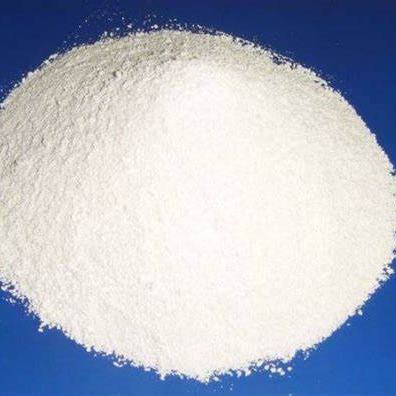
Sodium Carbonate (Soda Ash) Supplier
- Product Name:
- Sodium Carbonate / Soda Ash
- CAS No.:
- 497-19-8
- Molecular Formula:
- Na₂CO₃
- Molecular Weight:
- 105.99 g/mol
- Commercial Grades:
- Light Soda Ash / Dense Soda Ash
- Typical Assay:
- ≥99.2% (confirm by grade and COA)
Sodium Carbonate Supplier for Light and Dense Soda Ash
YuXing supplies sodium carbonate (soda ash), CAS 497-19-8, in light and dense industrial grades for glass, detergents, water treatment and chemical processing. A typical assay is ≥99.2%, but the final specification, bulk density, particle size, impurities and packaging must be confirmed for the selected manufacturer, grade and batch.
For a reliable quotation, state whether the process needs light or dense soda ash, the target Na₂CO₃ assay, application, critical impurity limits, quantity, packaging and destination port. YuXing can coordinate the available TDS/SDS, batch COA and commercial export documents after the exact supply option is confirmed.
Sodium Carbonate Procurement Snapshot
| Item | Supply information | Buyer confirmation |
|---|---|---|
| Chemical identity | Sodium carbonate; soda ash; Na₂CO₃; CAS 497-19-8 | Confirm anhydrous sodium carbonate and the applicable product standard |
| Commercial forms | Light soda ash and dense soda ash | State preferred bulk density, particle form and feeding/dissolution requirements |
| Typical assay | ≥99.2% | Use the agreed specification and batch COA as the contractual basis |
| Appearance | White powder or granules, depending on grade | Confirm particle-size distribution and caking/flow requirements where critical |
| Packaging | 25 kg, 40 kg or 50 kg bags and jumbo bags may be available | Confirm net weight, liner, palletization, container loading and destination |
| Documents | TDS, SDS and COA can be coordinated for the confirmed source | Request required certificates or declarations before quotation |
Light Soda Ash vs Dense Soda Ash
Light and dense soda ash have the same chemical identity. Their practical difference is mainly physical: bulk density, particle characteristics, flow, dusting and dissolution behavior. Select the grade around the process rather than assuming the denser or lighter material is universally better.
| Selection factor | Light soda ash | Dense soda ash |
|---|---|---|
| Physical form | Lower bulk density and generally finer material | Higher bulk density and generally coarser granules |
| Handling consideration | May dissolve readily but needs dust-control and feeding review | Can reduce storage volume per tonne and may suit bulk handling |
| Common starting point | Detergents, chemical processing and applications prioritizing dissolution | Glass and bulk processes prioritizing density and controlled handling |
| Final decision | Confirm bulk density, particle size, dissolution, impurity limits and equipment compatibility with the actual process | |
Sodium Carbonate Specifications to Confirm
| Parameter | Why it matters |
|---|---|
| Na₂CO₃ assay | Defines the active alkali content used for process and cost calculations |
| Chloride and sulfate | May affect glass, chemical synthesis or downstream impurity limits |
| Iron | Can be important for color-sensitive glass and other appearance-critical products |
| Water-insoluble matter | Affects solution clarity, filtration and deposit risk |
| Bulk density | Distinguishes handling behavior of light and dense grades and affects storage/feeding |
| Particle size | Influences flow, dusting, dissolution and equipment performance |
| Moisture or loss on drying | May affect caking, flow and delivered active content |
The values on this page are typical supply information, not a fixed batch guarantee. Final acceptance should use the mutually agreed specification, contract and COA. Buyers with an existing specification should send it before samples or bulk supply are selected.
Industrial Applications
Glass manufacturing
Soda ash is an important sodium source in glass manufacture. Dense grade is a common procurement starting point, but glass type, iron limit, particle compatibility and furnace practice determine the usable specification. The U.S. Geological Survey identifies glass as a major industrial use of soda ash.
Detergents and cleaning formulations
Sodium carbonate provides alkalinity and can support water-softening and builder functions. Formulators should verify dissolution, particle form, impurity limits and compatibility with surfactants and other ingredients.
Water treatment and pH adjustment
Soda ash can increase alkalinity and pH, but dose must be calculated from water analysis, treatment target and process controls. Product supply does not replace jar testing, dosing-system design or site safety review. See YuXing’s water treatment chemicals for related product families.
Chemical processing
Sodium carbonate is used as an alkali and as a raw material for other sodium compounds. For related procurement, compare sodium bicarbonate and the broader industrial alkalis range.
How to Request the Correct Grade
- Light or dense soda ash and the applicable standard or customer specification.
- Target Na₂CO₃ assay and limits for chloride, sulfate, iron and insoluble matter.
- Bulk density, particle-size or dissolution requirements.
- Application, trial conditions and any downstream quality risk.
- Packaging, order quantity or monthly demand, destination port and Incoterm.
- Required TDS/SDS/COA and any destination-specific declarations.
Packaging, Storage and Document Support
Sodium carbonate is alkaline and should be stored sealed, dry and protected from contamination and moisture. Use the current SDS, product label and site procedures for handling and personal protection. Packaging and loading plans depend on grade, order quantity, transport route and destination requirements.
YuXing can coordinate available product specifications, SDS, batch COA, packaging details and commercial/shipping documents for a confirmed order. Browse the chemical product catalog or submit a sodium carbonate inquiry.
Frequently Asked Questions
Is soda ash the same as sodium carbonate?
Yes. Soda ash is the common industrial name for sodium carbonate, Na₂CO₃. Commercial products are commonly supplied as light or dense soda ash.
What is the difference between light and dense soda ash?
They have the same chemical identity but differ in physical properties such as bulk density, particle characteristics, flow and dissolution. Select the grade using the actual feeding, storage and process requirements.
Is the ≥99.2% assay guaranteed for every batch?
No. It is a typical supply value. The confirmed grade specification, contract and batch COA define the accepted values for an order.
Which documents can be supplied?
TDS, SDS and batch COA can be coordinated for the confirmed source and order. Other declarations depend on the manufacturer, grade, destination and contract requirements.
What information is needed for a quote?
Provide light or dense grade, specification, application, quantity, packaging, destination port and required documents. This is more reliable than requesting “soda ash” without a physical-grade requirement.
Technical References and Review
Technical review: YuXing Chemical product and application team. Reviewed October 9, 2026. Supply specifications and documents must be confirmed for the selected manufacturer, grade, batch and destination.
Request a Sodium Carbonate Quote
Product Information Notice
- The values shown are typical reference information and are not a guaranteed sales specification. Final specifications are subject to the confirmed product, grade and batch COA.
- Packaging, transport method and hazard classification must be confirmed according to product grade, order quantity, destination regulations, shipping route and the current SDS.
- TDS, SDS/MSDS and COA files are provided according to product, batch and destination requirements. Public documents should not be treated as final delivery documents unless issued for the current batch.
- This page is for procurement discussion and technical selection reference only. It does not replace safety, regulatory, process design or site operating advice. Users must follow local regulations and the latest SDS.
