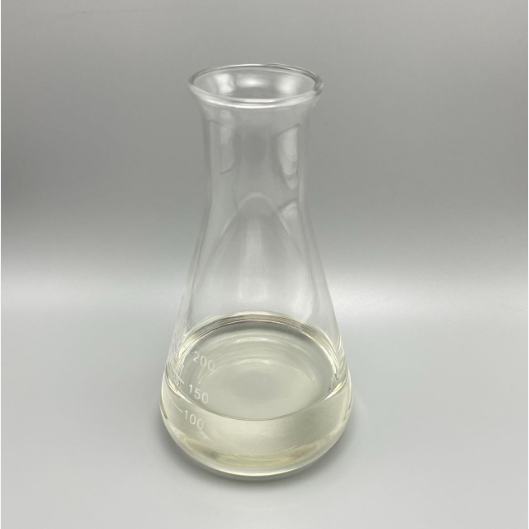
Polyether Polyol Supplier for Polyurethane Foam
- Product Name:
- Polyether Polyol
- CAS No.:
- Varies by grade
- Appearance:
- Colorless to pale yellow viscous liquid
- Key Parameters:
- Hydroxyl value, viscosity and functionality
- Applications:
- Flexible foam / rigid foam / elastomers
- Water Content:
- Typically ≤0.1%; confirm by grade
Polyether Polyol Grade Selection
Polyether polyols are hydroxyl-functional polymers that react with isocyanates to form polyurethane foams, elastomers, coatings, sealants and adhesives. They are a family of products rather than one universal grade. YuXing reviews inquiries according to hydroxyl value, viscosity, functionality, molecular-weight basis, application, packaging, quantity and destination.
Provide the current grade or TDS, polyurethane system and target performance for a comparable quotation. Related sourcing pages include Toluene Diisocyanate (TDI) and Polymers & Rubber Raw Materials.
Polyether Polyol Specifications
| Item | Supply basis |
|---|---|
| Product Name | Polyether Polyol |
| CAS No. | Varies by grade and composition |
| Appearance | Colorless to pale yellow viscous liquid |
| Hydroxyl Value | Grade-specific; confirm the required test method and range |
| Viscosity | Grade- and temperature-specific; confirm test conditions |
| Functionality | Selected according to polyurethane system and target crosslinking |
| Water Content | Typically ≤0.1%; confirm by grade and COA |
| Acid Value | Typically ≤0.1 mg KOH/g; confirm by grade |
| Typical Packaging | 200–220 kg drums / IBC tanks, subject to order confirmation |
Polyether Polyol Types and Applications
| Application family | Selection priorities | Information to submit |
|---|---|---|
| Flexible polyurethane foam | Foam resilience, density, processing window and compatibility with the isocyanate system | Foam type, density target, current polyol and TDI or other isocyanate |
| Rigid polyurethane foam | Hydroxyl value, functionality, viscosity and target crosslink density | Insulation or molded application, blowing system and performance target |
| Elastomers and molded systems | Molecular-weight basis, functionality, viscosity and mechanical targets | Process, hardness, tensile or elongation target and approved reference grade |
| Coatings, sealants and adhesives | Reactivity, formulation compatibility, viscosity and final film or bond properties | Existing formulation reference, application method and target performance |
Key Parameters for Polyol Comparison
| Parameter | Why it matters | Procurement check |
|---|---|---|
| Hydroxyl value | Relates to hydroxyl content and influences formulation stoichiometry | Confirm value range and test method |
| Functionality | Influences network structure and crosslinking behavior | Confirm nominal functionality for the intended system |
| Viscosity | Affects pumping, mixing and processing | Compare at the same temperature and test method |
| Water content | Can affect reaction behavior and formulation control | Confirm maximum limit and handling requirements |
| Acid value | Provides a grade-control reference for formulation review | Confirm specification and batch COA result |
Packaging, Storage and Document Review
Keep polyether polyol in sealed, compatible packaging and prevent moisture, contamination and prolonged exposure outside the storage conditions stated in the current SDS or TDS. Packaging and transport terms depend on grade, quantity and destination. TDS, SDS/MSDS and batch COA availability is confirmed for the proposed grade and order rather than published as one universal document set.
For industrial sourcing and export coordination, see our chemical and industrial manufacturing service or send the grade, application, quantity, packaging and destination through the contact page.
Frequently Asked Questions
What is polyether polyol used for?
Polyether polyols are used with isocyanates to produce flexible and rigid polyurethane foams, elastomers, coatings, sealants and adhesives. The required grade depends on the formulation and target properties.
How do flexible-foam and rigid-foam polyols differ?
They are selected for different hydroxyl-value, functionality, viscosity and crosslinking requirements. A flexible-foam grade should not be substituted for a rigid-foam grade without formulation review and testing.
Which properties should be included in a polyol inquiry?
Provide hydroxyl value, viscosity with test temperature, functionality or molecular-weight basis, water and acid-value limits, application and current approved grade or TDS.
Can polyether polyol be used with TDI?
Many polyurethane systems use polyether polyols with TDI, but the polyol grade, TDI grade, index, additives and process must be selected and validated as one formulation.
What information is needed for a quotation?
Submit the grade or target properties, application, current reference product, quantity, packaging, destination port and required documents.
Can TDS, SDS and batch COA be confirmed?
Document availability can be confirmed for the proposed grade, manufacturer, batch and order during quotation review. The agreed specification and batch COA govern the delivered material.
Product Information Notice
- The values shown are typical reference information and are not a guaranteed sales specification. Final specifications are subject to the confirmed product, grade and batch COA.
- Packaging, transport method and hazard classification must be confirmed according to product grade, order quantity, destination regulations, shipping route and the current SDS.
- TDS, SDS/MSDS and COA files are provided according to product, batch and destination requirements. Public documents should not be treated as final delivery documents unless issued for the current batch.
- This page is for procurement discussion and technical selection reference only. It does not replace safety, regulatory, process design or site operating advice. Users must follow local regulations and the latest SDS.
