Potassium Amyl Xanthate
- Molecular formula:
- C₆H₁₁KOS₂
- Content:
- ≥ 90%
- Appearance:
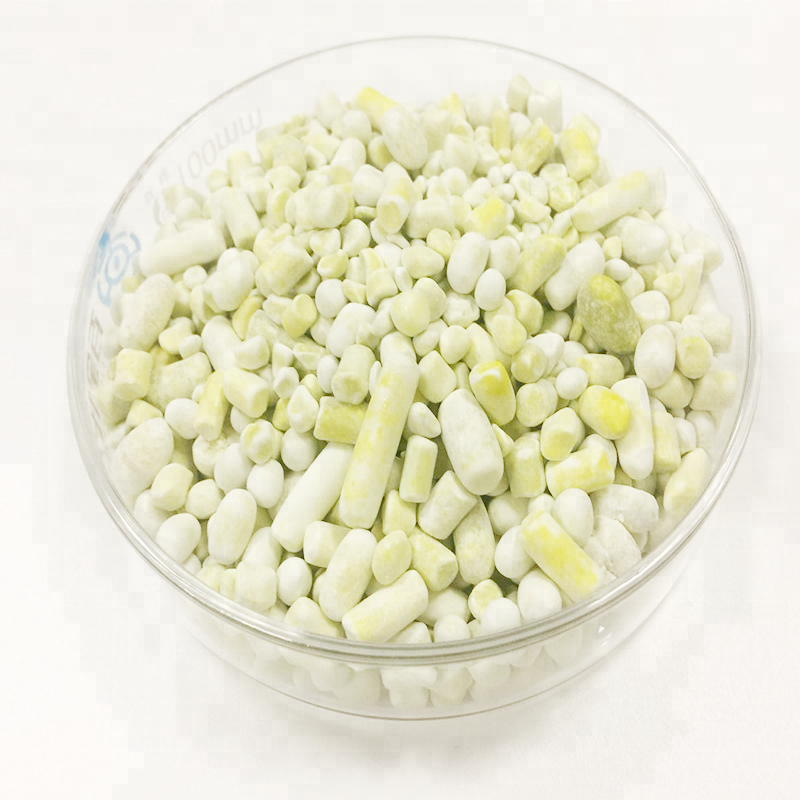
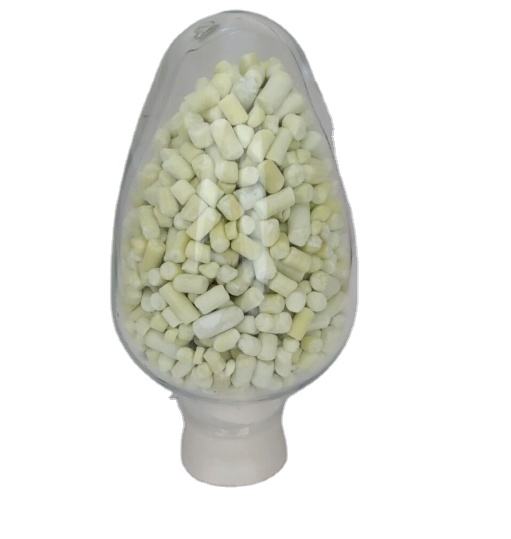
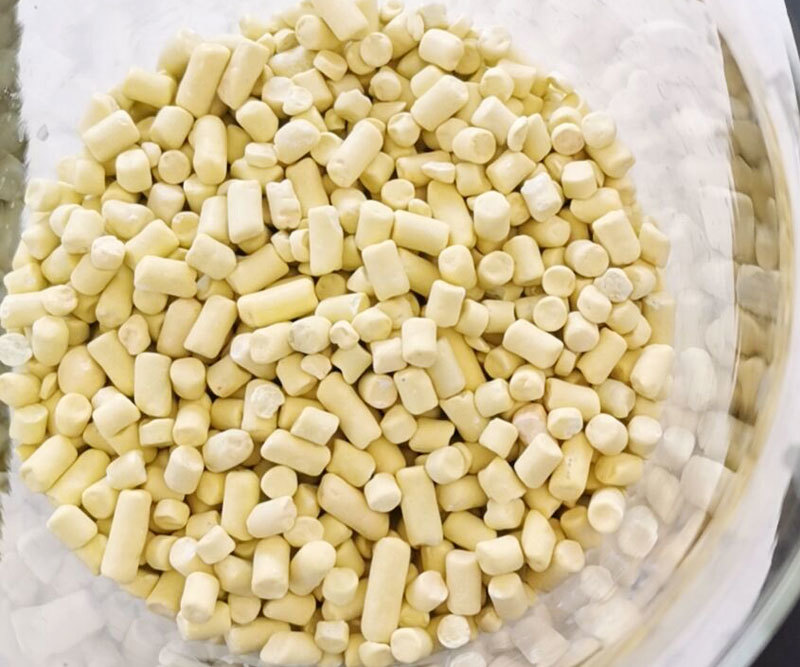
- Yellow Pellets
- CAS No.:
- 2720-73-2
- HS Code:
- 29309020
Potassium Amyl Xanthate Specifications (PAX ≥90%)
| Item | Unit | Content |
|---|---|---|
| Product Name | / | Potassium Amyl Xanthate |
| Short Name | / | PAX |
| CAS No. | / | 2720-73-2 |
| HS Code | / | 29309020 |
| Appearance | / | Yellow pellets |
| Purity | % | ≥ 90% |
| Free Alkali | % | ≤ 0.2% |
| Moisture & Volatile Matter | % | ≤ 4.0% |
| Solubility | / | Soluble in water |
| Application | / | Copper, gold-bearing sulfide and complex sulfide ore flotation |
| Documents | / | TDS/SDS/MSDS/COA documents available on request after product and grade confirmation |
Sulfide Ore Flotation Applications
YuXing potassium amyl xanthate (PAX) is a strong xanthate flotation collector used in sulfide ore beneficiation. Supplied as yellow water-soluble pellets with purity ≥90%, free alkali ≤0.2% and moisture & volatile matter ≤4.0%, PAX provides stronger collecting power than shorter-chain xanthates for demanding flotation circuits.
PAX is commonly evaluated for copper, sulfide-associated gold and complex sulfide ores where stronger mineral collection is required. For collector selection, compare PAX with Sodium Butyl Xanthate (SBX), Sodium Isopropyl Xanthate (SIPX) and the full mining chemicals catalog.
How PAX Works in Sulfide Ore Flotation
PAX has a longer amyl chain than SIPX and SBX, giving it stronger collecting power in sulfide ore flotation. It adsorbs on target mineral surfaces, increases hydrophobicity and helps valuable sulfide minerals attach to air bubbles and report to the concentrate.
Because PAX is a strong collector, dosage and selectivity must be controlled through ore testing. Practical performance depends on ore mineralogy, grind size, pH, pulp chemistry, flotation stage and the selected frother or regulator system. For bubble control and froth stability, PAX may be evaluated with Methyl Isobutyl Carbinol (MIBC) flotation frother when plant testing supports the combination.
PAX vs SBX vs SIPX Collector Selection
| Collector | Collecting Strength | Typical Use |
|---|---|---|
| SIPX | Moderate, faster kinetics | General sulfide flotation where faster circuit response is required. |
| SBX | Balanced | Copper, lead-zinc and polymetallic ores where recovery and selectivity need balance. |
| PAX | Strong | Gold-bearing sulfide, copper and complex sulfide ores where stronger collection is required. |
For selective copper circuits, buyers may also compare xanthates with Aerofloat 25 Equivalent or Ammonium Dibutyl Dithiophosphate depending on ore association, penalty elements and recovery targets.
Packaging, Storage & Documents
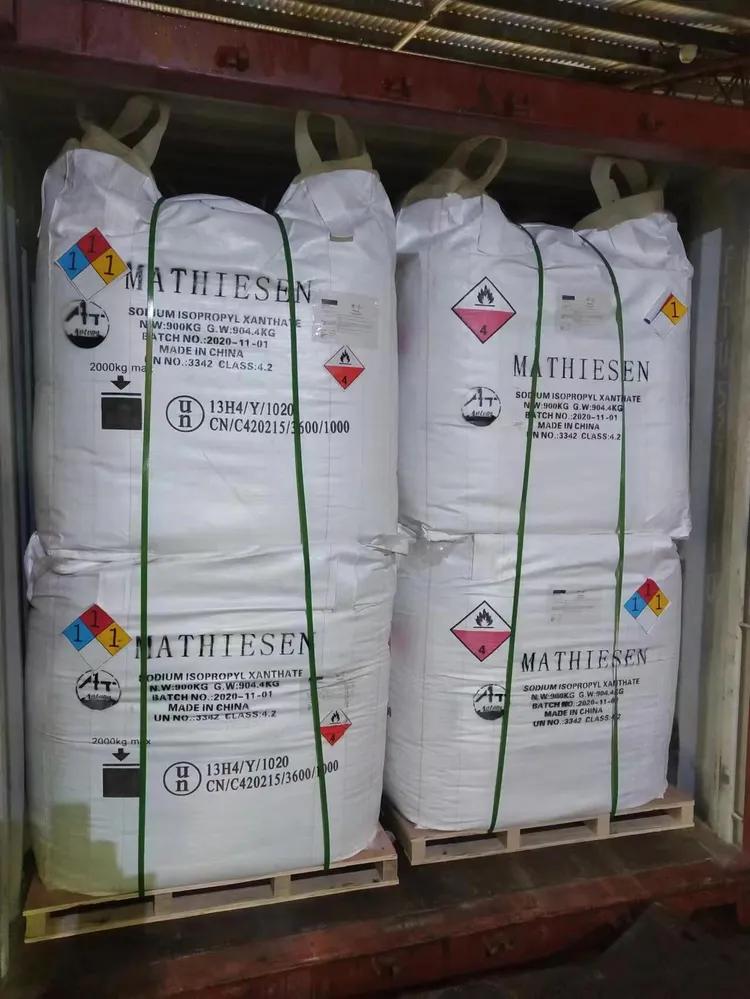
YuXing supplies PAX pellets for export with technical documents available for procurement review and customs clearance. Buyers can request TDS, MSDS and batch CoA through the documentation page or together with a formal quotation.
Store potassium amyl xanthate in sealed packaging in a cool, dry and well-ventilated warehouse. Keep away from moisture, heat and incompatible materials, and follow the supplied MSDS for handling, storage and emergency response requirements.
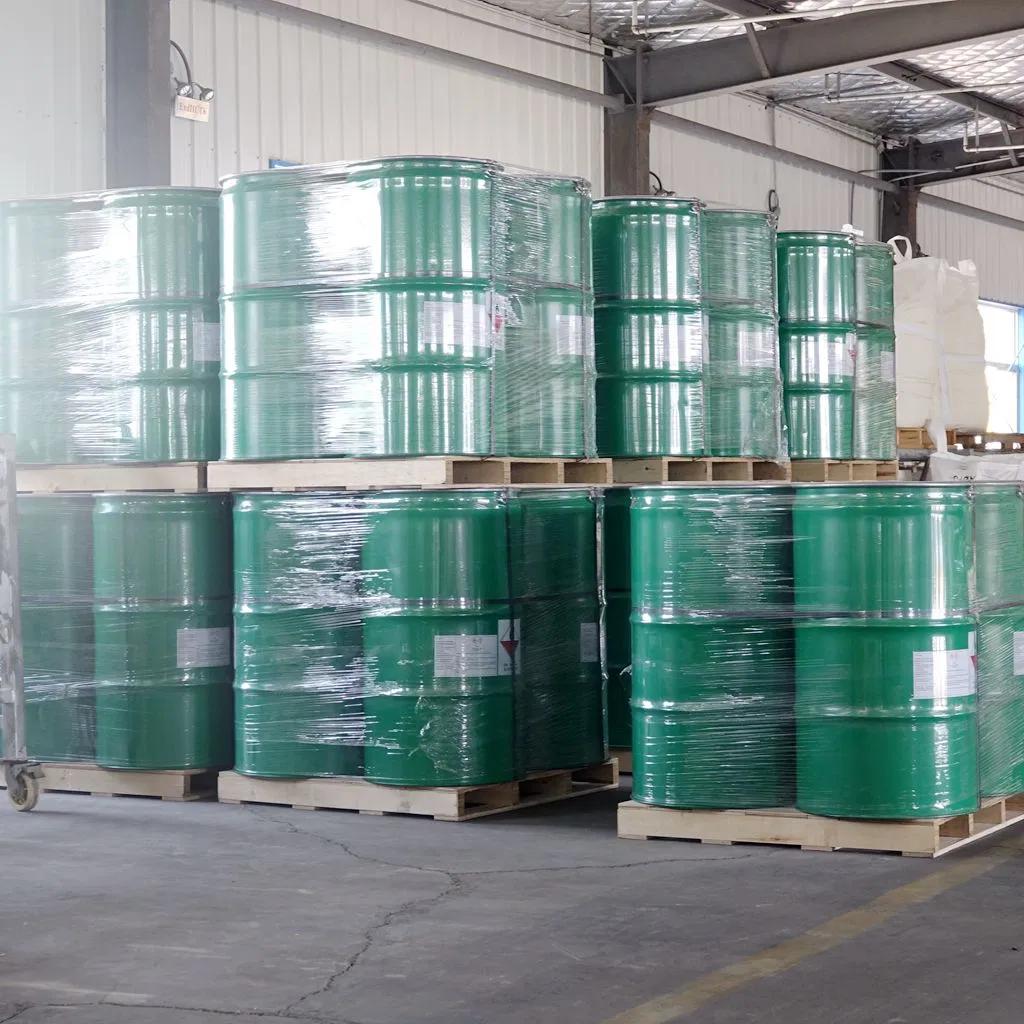
Shipment Photo:
How to Select a Potassium Amyl Xanthate Supplier
- Confirm PAX purity ≥90%, free alkali, moisture and appearance against your plant specification.
- Request TDS, MSDS and batch CoA before confirming bulk purchase.
- Share ore type, flotation stage, current reagent scheme and recovery target for collector selection support.
- Confirm packaging, destination port, lead time, document requirements and quotation validity before shipment.
- Evaluate whether your circuit needs PAX, SBX, SIPX, dithiophosphate collectors or MIBC frother support.
Why Choose YuXing PAX
- ≥90% purity with free alkali ≤0.2% for reliable flotation collector dosing in demanding concentrator circuits.
- Water-soluble yellow pellets for convenient reagent preparation, export packaging and industrial feeding.
- Strong collecting power for gold-bearing sulfide, copper and complex sulfide ore flotation applications.
- TDS, MSDS, CoA, export packaging support and technical communication through our mining mineral processing services.
PAX HS Code, Collector Strength and Alternatives
Potassium amyl xanthate is a strong xanthate collector, but customs classification and purchasing specifications require more than the abbreviation PAX. Confirm chemical name, active content, physical form and destination-country HS classification with the importer before shipment; an HS code used in one market may not automatically apply in another.
For circuit trials, compare PAX with sodium amyl xanthate where the counter-ion or product form matters. Where selectivity must be balanced against collector strength, review dithiophosphate collectors and test the complete collector-frother-modifier scheme on the actual ore.
Frequently Asked Questions
What is potassium amyl xanthate used for?
PAX is a strong flotation collector for sulfide minerals in copper, sulfide-associated gold and complex sulfide ore beneficiation. Its longer amyl chain provides stronger collecting power than SBX or SIPX for difficult ores.
Is PAX stronger than SBX and SIPX?
Yes. PAX generally has stronger collecting power than SBX and SIPX because of its longer amyl chain. That strength can improve recovery in difficult ores, but dosage and selectivity should be confirmed by flotation testing.
Is PAX suitable for gold-bearing sulfide ores?
PAX is commonly evaluated for sulfide-associated gold ores and complex sulfide circuits where stronger collection is required. Final reagent selection should follow ore mineralogy and metallurgical test results.
What is the difference between PAX, SBX and SIPX?
PAX offers the strongest collecting power. SBX is balanced for general use, while SIPX has faster kinetics. Selection depends on ore mineralogy, selectivity requirements and circuit design.
What purity does industrial potassium amyl xanthate require?
Industrial applications typically require PAX purity ≥90% with free alkali ≤0.2% and moisture & volatile matter ≤4.0%. YuXing can provide CoA verification for supplied batches.
Can YuXing provide TDS, MSDS and CoA?
Yes. YuXing can provide TDS, MSDS and batch CoA to support technical review, procurement approval and customs clearance.
How should potassium amyl xanthate be stored?
Store PAX in sealed packaging in a cool, dry and well-ventilated area. Keep away from moisture, heat and incompatible materials, and follow the supplied MSDS.
What is the HS code for potassium amyl xanthate?
The export HS code is 29309020. Confirm final import declaration requirements with your local customs broker before shipment.
How is PAX dosed in a flotation plant?
PAX pellets dissolve in water and are dosed according to metallurgical test recommendations. Because PAX is a strong collector, dosage is typically lower than shorter-chain xanthates and should be validated through plant trials.
How can I get a potassium amyl xanthate quotation?
Submit your application, quantity, destination port and packaging preference through the contact page. YuXing will provide a formal quotation and available technical documents.
Request a Quote
If you need potassium amyl xanthate (PAX) as a strong flotation collector for copper, gold-bearing sulfide or complex sulfide ores, contact YuXing with your required quantity, destination port and packaging requirements. Our team will provide a quotation and technical support.
Product Information Notice
- The values shown are typical reference information and are not a guaranteed sales specification. Final specifications are subject to the confirmed product, grade and batch COA.
- Packaging, transport method and hazard classification must be confirmed according to product grade, order quantity, destination regulations, shipping route and the current SDS.
- TDS, SDS/MSDS and COA files are provided according to product, batch and destination requirements. Public documents should not be treated as final delivery documents unless issued for the current batch.
- This page is for procurement discussion and technical selection reference only. It does not replace safety, regulatory, process design or site operating advice. Users must follow local regulations and the latest SDS.
