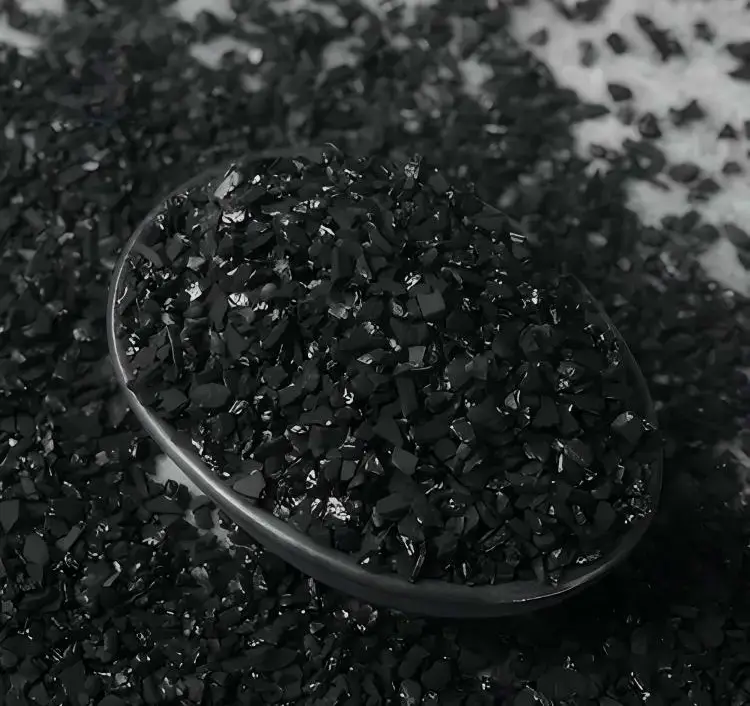
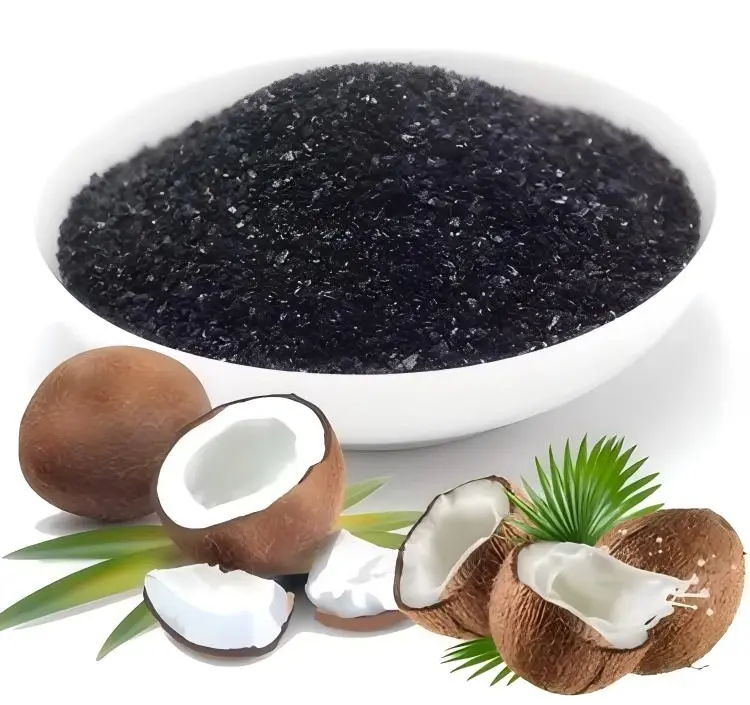
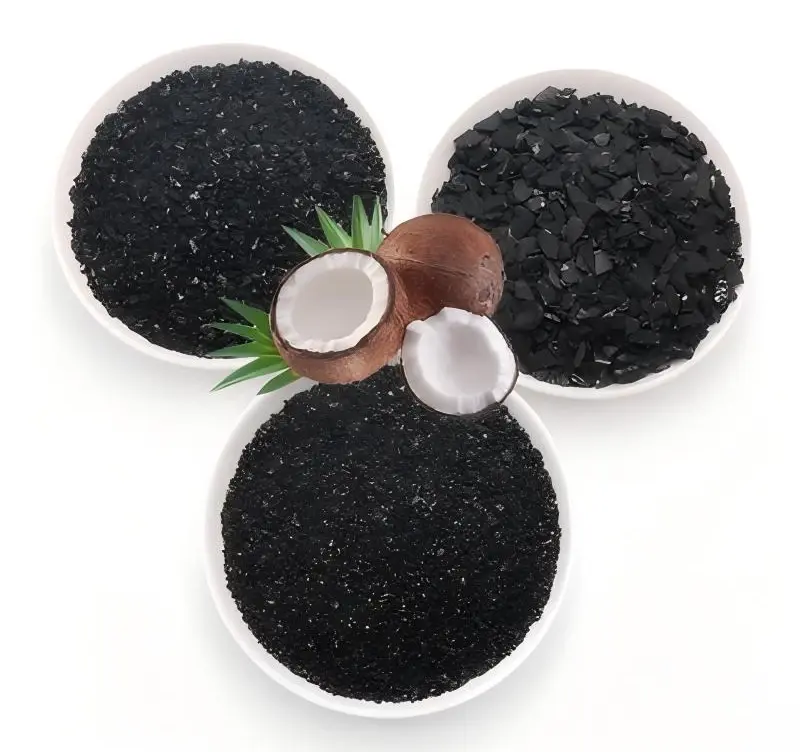
Coconut Shell Activated Carbon for Gold Recovery
- Application:
- Gold CIP / CIL / CIC recovery
- Mesh size:
- 6-12 mesh etc.
- Iodine value:
- 900-1300 mg/g
- Hardness:
- 99.1%
- CAS No.:
- 64365-11-3
- HS Code:
- 3802109000
Gold Recovery Activated Carbon Specifications
YuXing coconut shell activated carbon is a high-hardness granular activated carbon designed for gold recovery in CIP, CIL and CIC circuits. It is made from selected coconut shell raw material and supplied for mines that need strong gold adsorption, low attrition, stable screen retention and export-ready technical documents.
For gold plants, YuXing can supply 6-12 mesh and other mesh grades on request, with iodine value options from 900-1300 mg/g and batch COA support. TDS, MSDS and COA are available for procurement review before bulk purchase.
For related gold processing reagents, browse our mining chemicals range. For a recent supply example, review the 165-ton coconut shell activated carbon delivery for a Zimbabwe gold mine.
| Item | Unit | Content |
|---|---|---|
| Product Name | / | Coconut Shell Activated Carbon |
| Raw Material | / | Coconut shell |
| Application | / | Gold CIP, CIL and CIC recovery |
| Particle Size | mesh | 6-12 mesh etc.; other grades on request |
| Iodine Value | mg/g | 900-1300 |
| Hardness | % | 99.1 |
| Moisture | % | 4.5 |
| Ash Content | % | ≤3.0 typical coconut shell GAC |
| Bulk Density | g/ml | 0.54 |
| pH Value | / | 8.9 |
| CAS No. | / | 64365-11-3 |
| HS Code | / | 3802109000 |
| Documents | / | TDS, MSDS and batch COA available |
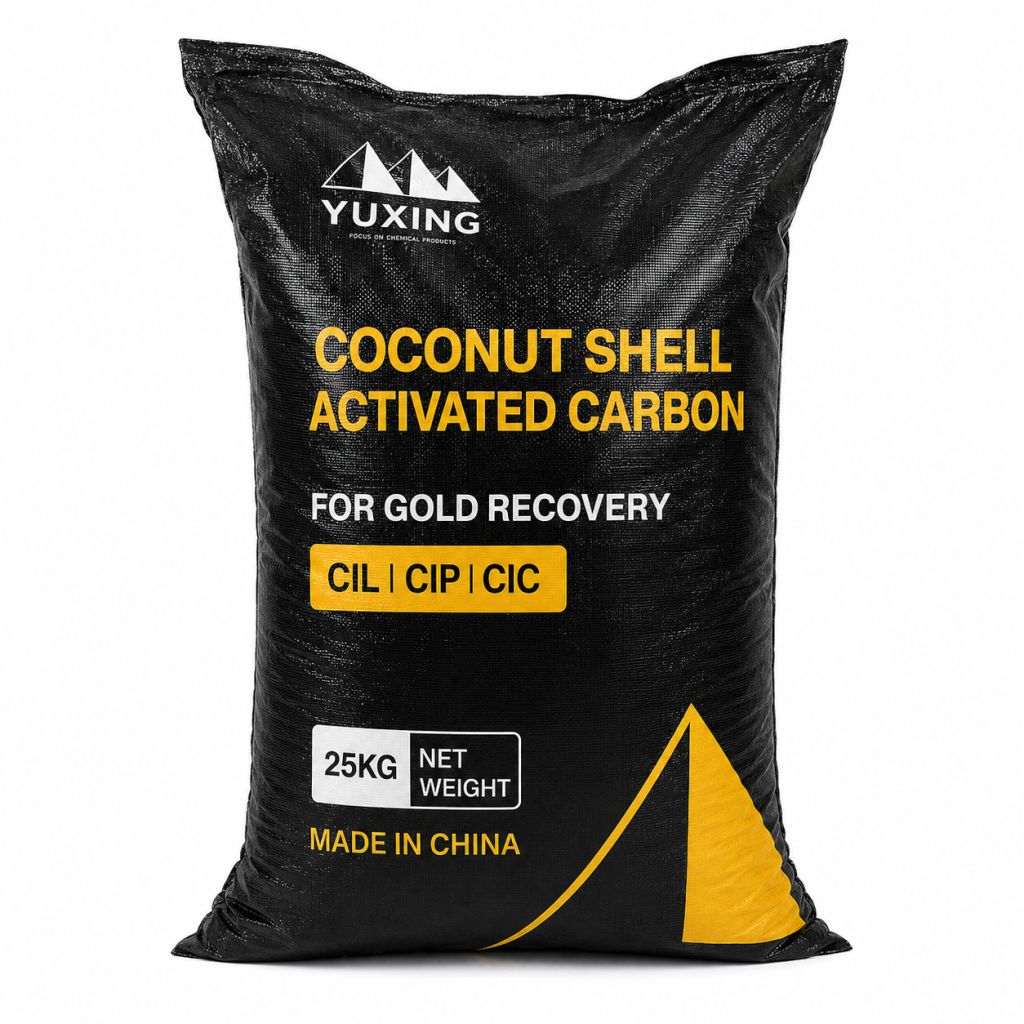
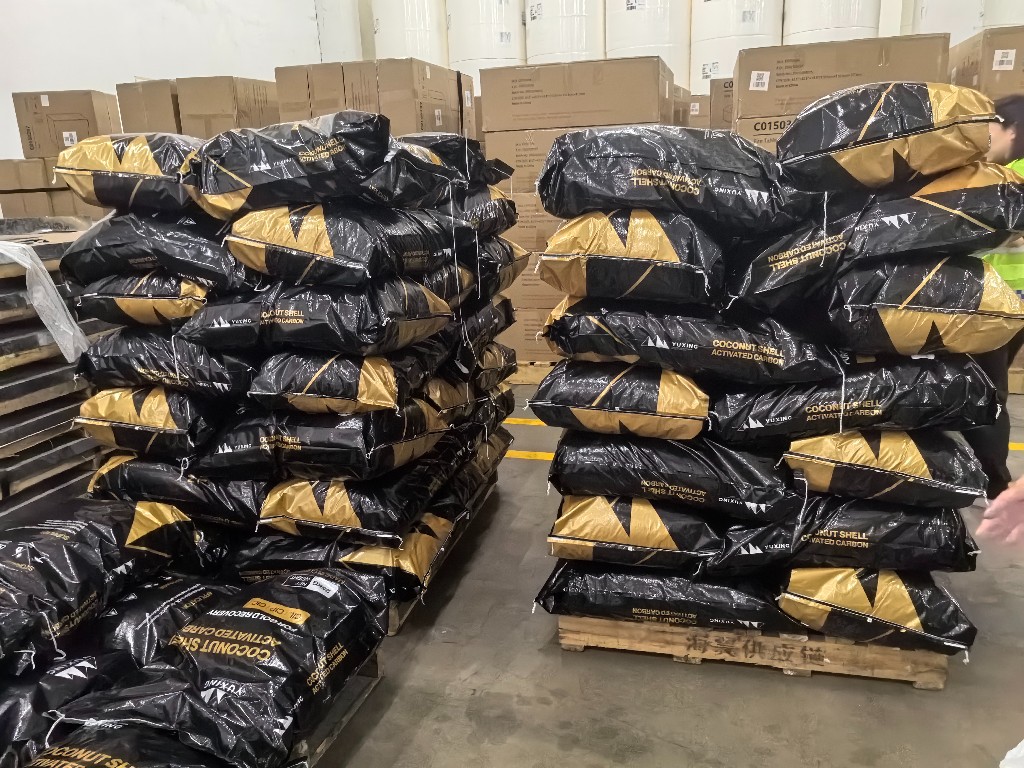
| Export Packing | / | 25 kg bags, 500 kg bulk bags, FCL / LCL |
Activated Carbon for Gold CIP, CIL and CIC Recovery
In gold carbon-in-pulp (CIP), carbon-in-leach (CIL) and carbon-in-column (CIC) systems, activated carbon adsorbs dissolved gold cyanide complexes from process slurry or solution. Gold plants need carbon that can load gold efficiently while resisting abrasion, fines generation and screen losses during continuous operation.
YuXing coconut shell activated carbon is selected for high hardness, stable particle size distribution and strong micropore adsorption capacity. These properties help mines control carbon consumption, maintain adsorption efficiency and reduce operating losses caused by broken carbon and carbon fines.
Before selecting a grade, review the mesh size, iodine value, hardness, ash content, moisture, attrition performance and batch COA. For mesh selection details, see the 6×12 vs 8×16 activated carbon guide.
How Coconut Shell Activated Carbon Works in Gold Recovery
- Gold is dissolved into cyanide solution during leaching.
- Activated carbon contacts the slurry or solution in adsorption tanks or columns.
- Gold cyanide complexes are adsorbed into the micropores of the carbon.
- Loaded carbon is separated from the circuit and sent for elution.
- After regeneration, suitable carbon can be returned to the adsorption circuit.
Carbon performance is affected by ore type, slurry density, residence time, cyanide concentration, competing organics, carbon concentration, particle size and regeneration conditions. That is why procurement should compare actual batch specifications rather than relying on product name alone.
How to Choose Mesh Size
6-12 mesh activated carbon is commonly used in gold CIP and CIL plants because it balances adsorption rate, screen retention and abrasion resistance. Other mesh grades can be selected depending on circuit design, screen aperture, carbon movement, contact time and operating preference.
| Selection Factor | Why It Matters |
|---|---|
| Mesh size | Affects adsorption speed, tank retention, screening efficiency and carbon loss. |
| Iodine value | Indicates micropore adsorption capacity for gold cyanide complexes. |
| Hardness / attrition | Controls fines generation and carbon replacement cost. |
| Ash and moisture | Influence carbon purity, handling and effective dry weight. |
| Batch COA | Confirms actual supplied quality before shipment or repeat orders. |
Packaging, Documents and Bulk Quote Information
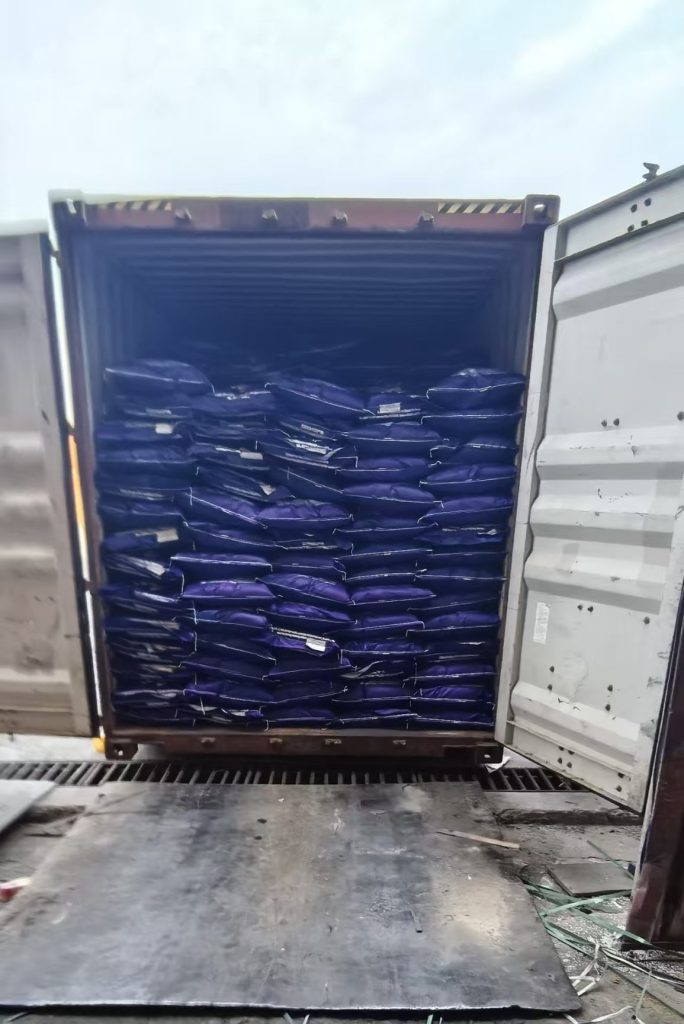
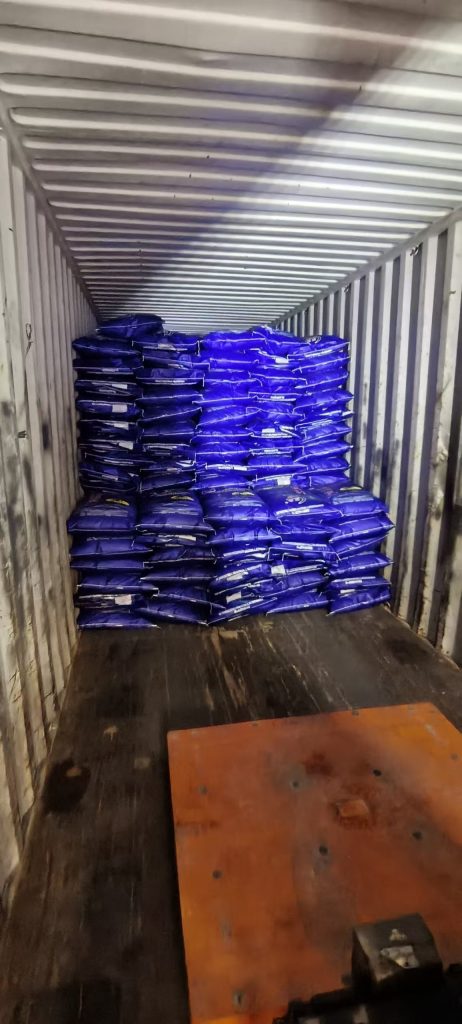
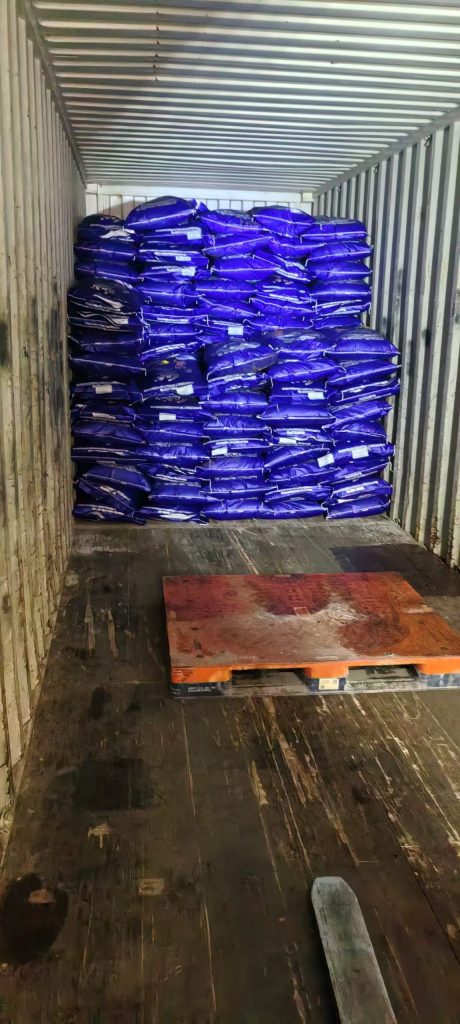
YuXing supplies coconut shell activated carbon in export packaging for bulk international shipment. Typical options include 25 kg bags and bulk bags, with FCL or LCL shipment arranged according to order volume and destination port.
TDS, MSDS and batch COA can be provided for technical review, procurement approval and customs clearance. You can also visit the TDS and MSDS download page for available product documents.
Why Choose YuXing Gold Recovery Carbon?
- Gold recovery focus for CIP, CIL and CIC carbon circuits.
- 6-12 mesh etc. with mesh selection support according to operating conditions.
- Iodine value range of 900-1300 mg/g for strong adsorption capacity.
- 99.1% hardness to reduce breakage, fines and carbon loss.
- Export packaging, TDS, MSDS and batch COA support for bulk buyers.
- Technical communication for mines comparing carbon grades, suppliers or replacement carbon.
Information Needed for Carbon Inquiry
- Process type: CIP, CIL, CIC, heap leaching or column adsorption.
- Required mesh size, such as 6-12 mesh, 8-16 mesh or other grade.
- Iodine value, hardness, ash, moisture and attrition requirements.
- Monthly or campaign consumption in metric tons.
- Destination port, country and preferred packaging.
- Current carbon grade or supplier specification if replacing an existing product.
For gold leaching reagents used with carbon adsorption circuits, see our sodium cyanide supply page.
Frequently Asked Questions
What mesh size is used for gold recovery activated carbon?
Gold CIP and CIL plants commonly use 6-12 mesh coconut shell activated carbon. Other grades such as 8-16 mesh can be selected according to screen size, tank design, solution flow and operating preference.
What iodine value is recommended for gold recovery?
YuXing supplies coconut shell activated carbon with iodine value options from 900-1300 mg/g. Higher iodine value generally indicates stronger micropore adsorption capacity, but hardness, attrition and particle size should also be checked.
How does activated carbon recover gold in CIP/CIL?
Activated carbon adsorbs dissolved gold cyanide complexes from leach slurry or solution. Loaded carbon is separated and sent to elution, then regenerated carbon may return to the adsorption circuit.
Why is coconut shell activated carbon preferred in gold mining?
Coconut shell activated carbon typically provides high hardness, low ash and strong abrasion resistance, helping reduce fines, carbon loss and unstable adsorption performance in continuous gold recovery circuits.
What specifications should buyers check before bulk purchase?
Buyers should check mesh size, iodine value, hardness, ash, moisture, bulk density, attrition result, packaging and batch COA before confirming bulk purchase.
Can YuXing provide TDS, MSDS and COA?
Yes. YuXing can provide TDS, MSDS and batch COA for technical review, procurement approval, customs clearance and quality confirmation.
Shipment Photo:
Request a Quote
If you need coconut shell activated carbon for gold CIP, CIL or CIC recovery, contact YuXing with mesh size, iodine value, hardness target, quantity, destination port and packaging requirements. Our team will provide a quotation, available documents and export supply details.
Product Information Notice
- The values shown are typical reference information and are not a guaranteed sales specification. Final specifications are subject to the confirmed product, grade and batch COA.
- Packaging, transport method and hazard classification must be confirmed according to product grade, order quantity, destination regulations, shipping route and the current SDS.
- TDS, SDS/MSDS and COA files are provided according to product, batch and destination requirements. Public documents should not be treated as final delivery documents unless issued for the current batch.
- This page is for procurement discussion and technical selection reference only. It does not replace safety, regulatory, process design or site operating advice. Users must follow local regulations and the latest SDS.
