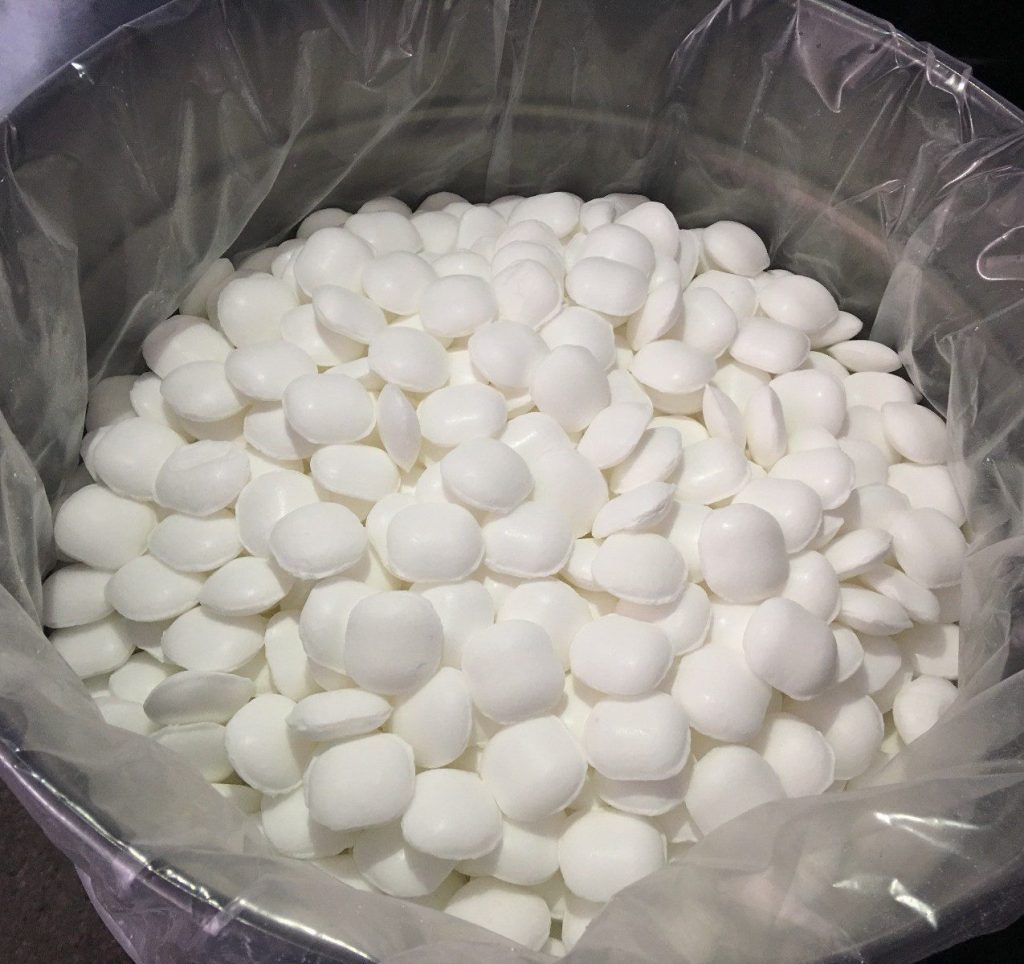
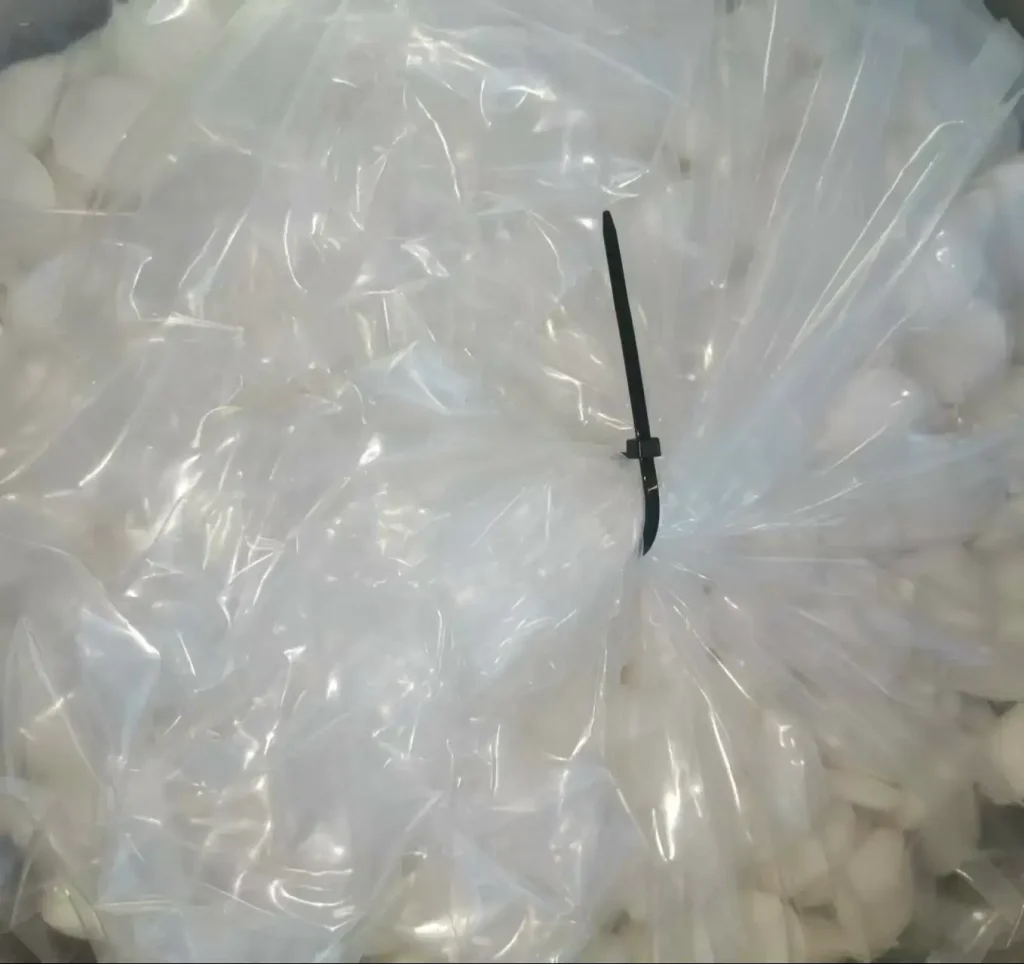
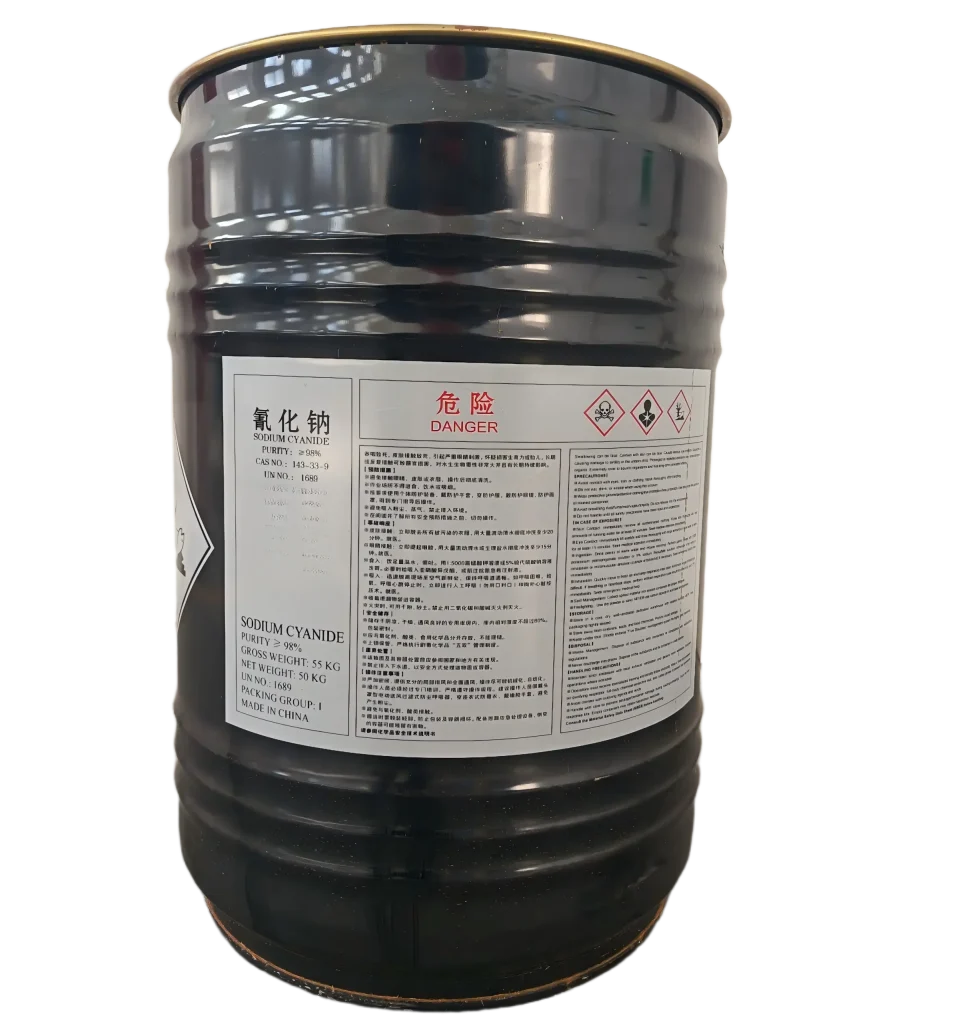
Sodium Cyanide
- Molecular Formula:
- NaCN
- Content:
- ≥ 98.0%
- Application:
- Gold heap leach / CIP / CIL
- CAS No.:
- 143-33-9
- UN No.:
- UN 1689
- HS Code:
- 2837110000
- Hazard Class:
- Class 6.1 Toxic Substance
- Documents:
- TDS / MSDS / COA on request
Sodium Cyanide Supplier for Gold Mining
YuXing supplies sodium cyanide (NaCN ≥98%) for qualified gold-mining and industrial buyers. The product is used in heap leach, carbon-in-pulp (CIP) and carbon-in-leach (CIL) circuits, with the final specification, packaging, transport route and documents confirmed for each order.
For a sodium cyanide quotation, provide the end user, mine or plant location, approved application, destination country and port, required quantity, packaging preference and any import permit or end-use documentation required by the destination.
Sodium Cyanide Specifications (≥98% NaCN)
| Item | Unit | Content |
|---|---|---|
| Sodium Cyanide | % | ≥98.0% |
| Appearance | — | White crystalline powder |
| Sodium Hydroxide | % | ≤0.5 |
| Sodium Carbonate | % | ≤0.5 |
| Moisture | % | ≤0.9 |
| Water-insoluble Substances | % | ≤0.05 |
Sodium Cyanide for Gold Mining: Heap Leach, CIP & CIL
YuXing sodium cyanide (NaCN ≥98%) is a leaching reagent for gold heap leaching, carbon-in-pulp (CIP) and carbon-in-leach (CIL) circuits. Under controlled alkaline conditions, the reagent dissolves gold into the pregnant leach solution (PLS). Actual recovery and reagent consumption depend on ore mineralogy, water chemistry, pH control, residence time and plant testing.
In heap leach operations, NaCN solution is applied to crushed ore on pads and dissolved gold is collected in the leachate. In CIP and CIL plants, NaCN is added to an agitated slurry so gold dissolves as Au(CN)₂⁻ and can be adsorbed onto activated carbon. Stable NaCN dosage and alkaline pH control are important for consistent leaching and controlled reagent consumption.
Pair with coconut shell activated carbon for CIP/CIL adsorption. For plant optimization, see how to reduce cyanide consumption in gold processing.
For related supply needs, browse our mining chemicals catalog. Gold processing buyers often review NaCN together with coconut shell activated carbon for adsorption and polyacrylamide for tailings or water treatment.
Sodium Cyanide (NaCN) Is Not Sodium Gold Cyanide
Sodium cyanide (NaCN, CAS 143-33-9) is the leaching reagent covered on this page. Sodium gold(I) cyanide, also called sodium dicyanoaurate, is a different gold-containing compound. Buyers should identify the required substance by chemical name, formula and CAS number; this product page does not describe or offer sodium gold(I) cyanide.
For process background, read how sodium cyanide is used in mining, the sodium cyanide transport and compliance guide, and ways to evaluate cyanide consumption in a gold plant.
Packaging, Storage & Export Compliance
NaCN is classified as a Class 6.1 toxic substance (UN 1689). Packaging and transport arrangements for sodium cyanide are confirmed case by case according to product grade, order quantity, destination regulations, carrier requirements and current SDS requirements. Stable under alkaline conditions, it should be stored in a dry, ventilated area away from acids, with strict access control per mine safety management standards.
Export documentation includes TDS, MSDS and CoA (certificate of analysis). HS code 2837110000 applies to this product. Documents are available on request with a formal quotation; please submit destination port, quantity, packaging preference and applicable compliance documents through the contact page.
Beyond gold extraction, common industrial uses include electroplating, organic synthesis, precious metal refining and selected metallurgical processes. YuXing supplies NaCN with application guidance for mining clients and documented specifications for industrial buyers.
Why Choose YuXing NaCN
1. NaCN is an important and highly efficient reagent in precious metal extraction. Its high leaching rate, mature technology and predictable dissolution behavior make it a core consumable in global gold mining.
2. Stable under alkaline conditions, facilitating compliant storage, transportation and consistent reagent preparation on site.
3. YuXing provides NaCN with TDS/MSDS/CoA documentation, compliant export packaging and reliable delivery to overseas mining markets — backed by technical support for mining clients.
Compliance & Responsible Supply
YuXing supplies sodium cyanide only for legitimate industrial applications such as gold mining, metallurgy, and approved chemical manufacturing. We do not supply NaCN for unauthorized or non-industrial use.
Because NaCN is a Class 6.1 toxic substance (UN 1689), export and import controls vary by destination country. YuXing supports qualified mining and industrial buyers with documentation and compliant packaging — subject to end-user verification and applicable permits.
Information Needed for an NaCN Inquiry
- End-user company and mine/plant location
- Destination country and port
- Application: heap leach, CIP, CIL, or other approved industrial use
- Import permit, end-use certificate, or equivalent compliance documents (if required in your country)
- Required purity, quantity, packaging preference and documentation requirements
- Estimated monthly or campaign consumption
Submit compliance information for an initial response within 24 hours after we receive basic project and documentation details.
Frequently Asked Questions
What purity of sodium cyanide is used in gold mining?
Industrial gold mining typically requires ≥98% NaCN. YuXing supplies material meeting this specification with CoA verification for each batch, supporting stable leaching performance in CIP, CIL and heap leach operations.
How is sodium cyanide used in CIP and CIL?
In CIP/CIL circuits, NaCN is dissolved in alkaline process water and added to the ore slurry. Gold dissolves as Au(CN)₂⁻ and is then adsorbed onto activated carbon. Consistent NaCN concentration and pH control help maintain stable leaching conditions.
What is the HS code for sodium cyanide?
The export HS code is 2837110000. YuXing provides TDS, MSDS and CoA to support customs clearance and destination-country compliance.
What documents are required for sodium cyanide export?
Typical export documentation includes TDS, MSDS, CoA, commercial invoice, packing list and compliant Class 6.1 hazard labels. Specific requirements vary by destination country — contact YuXing with your port and quantity for a complete document checklist.
Can YuXing provide TDS, MSDS and COA?
Yes. YuXing can provide TDS, MSDS and batch CoA for qualified industrial buyers after receiving basic end-user, destination and application information.
What information is needed for a sodium cyanide quotation?
Please provide end-user company, mine or plant location, destination country and port, approved industrial application, required quantity, packaging preference and any import or end-use documents required by your country.
How should sodium cyanide be stored on site?
Store NaCN in a dry, well-ventilated, access-controlled area. Keep containers sealed and away from acids. Maintain alkaline conditions in leach circuits and follow mine safety management protocols for cyanide handling, PPE and emergency response.
What sodium cyanide consumption per ton of ore is typical?
NaCN consumption depends on ore grade, mineralogy, leach time and circuit design. Typical ranges are 0.2–1.5 kg/t ore for heap leach and 0.5–2.0 kg/t for CIP/CIL. Consumption and recovery performance depend on ore mineralogy, operating conditions and plant testing.
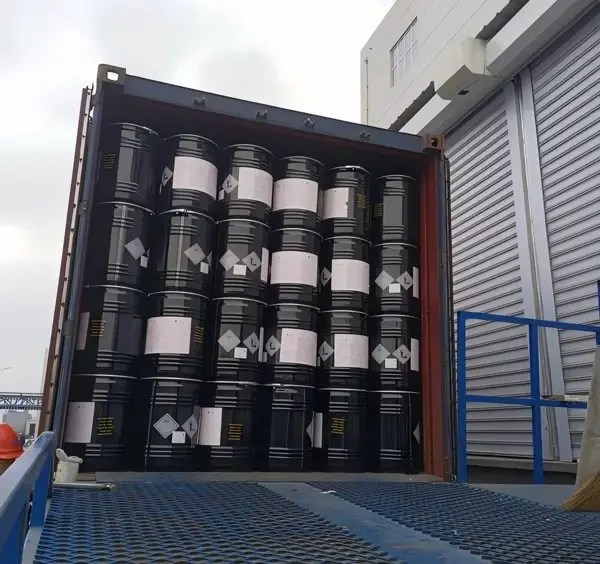
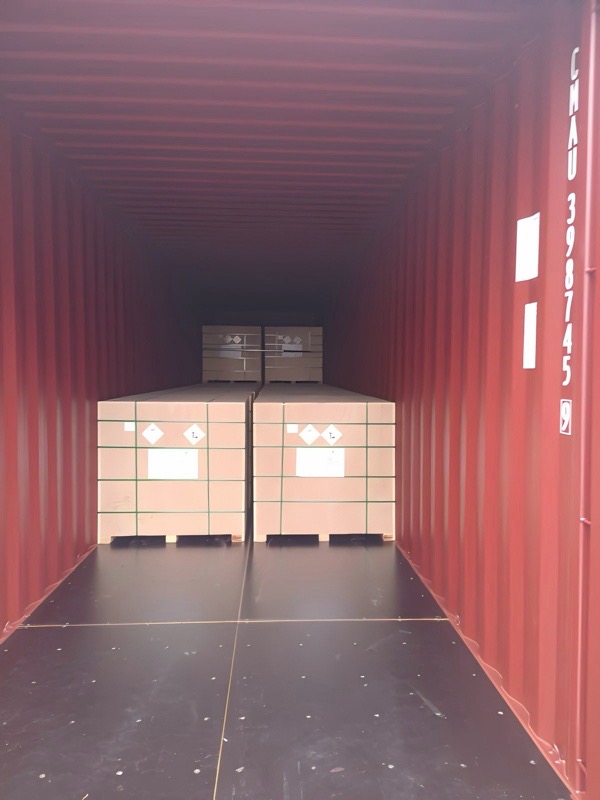
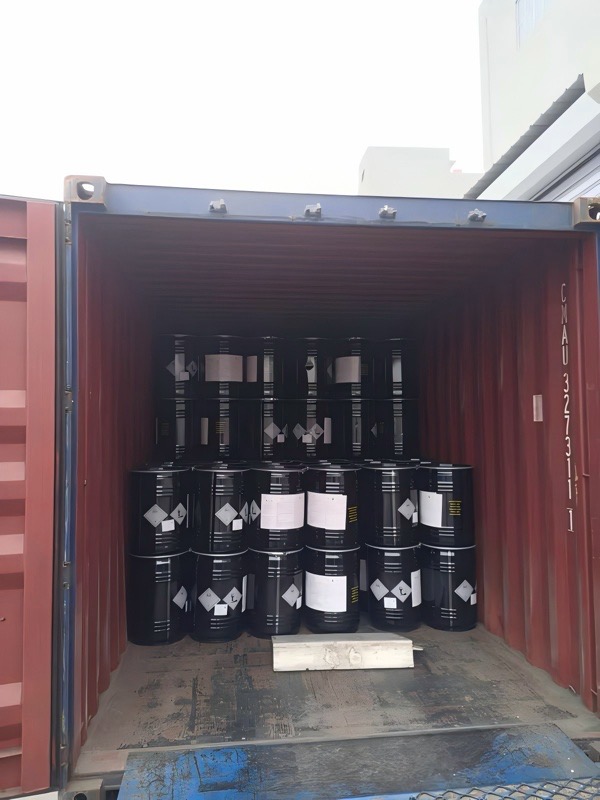
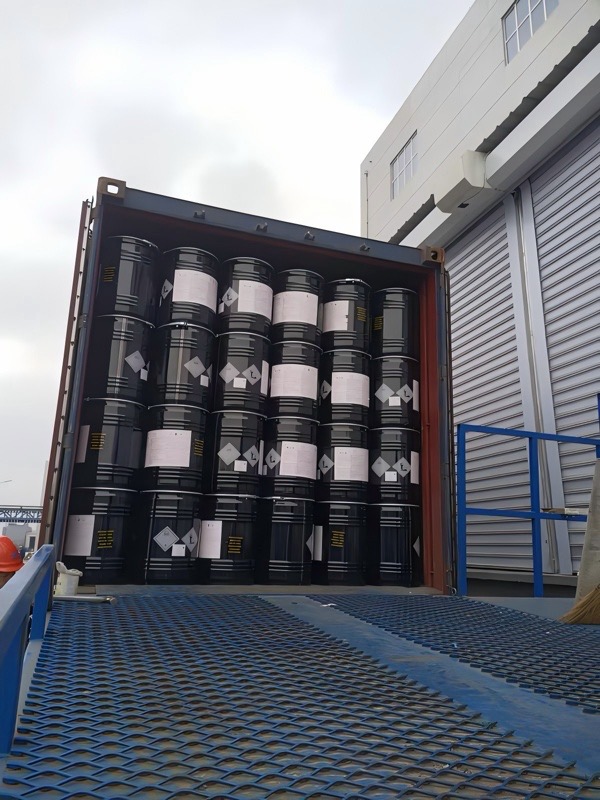
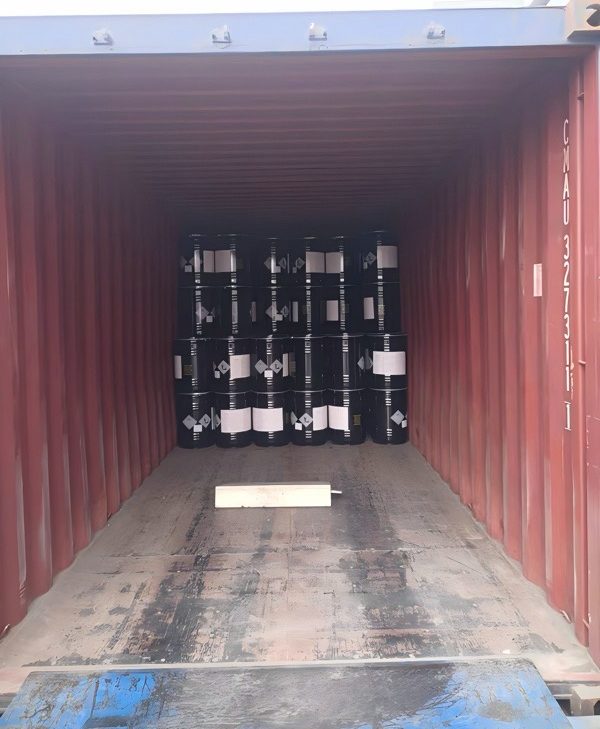
Shipment Photo:
Send Mine Chemical Inquiry
To buy sodium cyanide for gold heap leaching, CIP or CIL operations, submit end-user details, destination country, import/end-use documents (if applicable), quantity and packaging via our contact page. We provide an initial response within 24 hours after receiving basic project and compliance information — not an instant quote for regulated products.
Pair NaCN supply with coconut shell activated carbon for integrated gold recovery support when needed, or browse all mining chemicals for related reagent supply.
Product Information Notice
- The values shown are typical reference information and are not a guaranteed sales specification. Final specifications are subject to the confirmed product, grade and batch COA.
- Packaging, transport method and hazard classification must be confirmed according to product grade, order quantity, destination regulations, shipping route and the current SDS.
- TDS, SDS/MSDS and COA files are provided according to product, batch and destination requirements. Public documents should not be treated as final delivery documents unless issued for the current batch.
- This page is for procurement discussion and technical selection reference only. It does not replace safety, regulatory, process design or site operating advice. Users must follow local regulations and the latest SDS.
