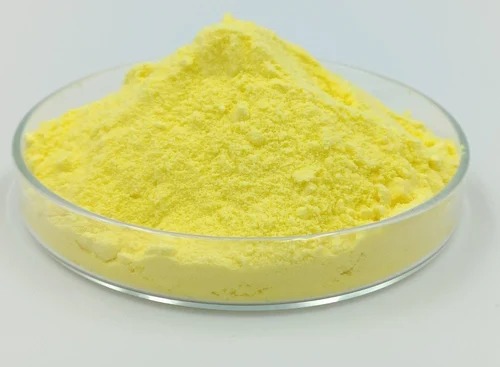
Polyferric Sulfate (PFS)
- Product Name:
- Polyferric Sulfate
- Abbreviation:
- PFS
- CAS No.:
- 10028-22-5
- Molecular Formula:
- [Fe₂(OH)n(SO₄)₃−n/2]m
- Appearance:
- Light yellow to yellow-brown powder / reddish-brown liquid
- Total Iron Content:
- Typically ≥19% (solid grade)
Polyferric Sulfate (PFS) Supplier
YuXing supplies Polyferric Sulfate (PFS) powder and liquid grades for municipal and industrial wastewater treatment. Typical solid grade total iron is ≥19%, with grade and dosage selected according to water chemistry and treatment targets.
For grade, packaging and delivery confirmation, browse Water Treatment Chemicals or send the application, specification, quantity and destination through the contact page.
Product Specifications
| Item | Specification |
|---|---|
| Product Name | Polyferric Sulfate |
| Abbreviation | PFS |
| CAS No. | 10028-22-5 |
| Molecular Formula | [Fe₂(OH)n(SO₄)₃−n/2]m |
| Appearance | Light yellow to yellow-brown powder / reddish-brown liquid |
| Total Iron Content | Typically ≥19% (solid grade) |
| Basicity | Typically 8–16% |
| Solubility | Soluble in water |
| Product Type | Coagulant / Flocculant |
| Main Application | Municipal and industrial wastewater treatment |
| Typical Packaging | 25 kg bags / IBC |
These are common or typical specification ranges, not a fixed promise for every batch. Confirm the agreed product specification, COA and contract requirements before purchase.
How It Works and Use Considerations
PFS is an inorganic polymeric ferric coagulant. In water-treatment systems, ferric hydrolysis products help neutralize particle charge and form flocs that can be removed by sedimentation, flotation or filtration. Performance depends on pH, alkalinity, contaminant load and dosage.
Applications
- Municipal wastewater coagulation and clarification.
- Industrial wastewater treatment.
- Color and turbidity reduction in compatible treatment systems.
- Sludge conditioning and solid-liquid separation processes.
How to Select the Right Grade
Confirm total iron, basicity, insoluble matter, product form and the treated-water pH range. A jar test is recommended to compare clarification performance, sludge formation and operating dosage before bulk use.
Packaging, Documents and Quotation
Packaging is shown in the table above and is confirmed according to product form, order quantity, transport requirements and destination. TDS, MSDS/SDS and batch COA can be coordinated subject to order conditions. Include product name, target specification, application, quantity, packaging preference and destination port in the inquiry.
Frequently Asked Questions
Are the specifications on this page fixed?
No. The page shows common or typical ranges. Final requirements are confirmed by grade, batch COA and the agreed contract specification.
What information is needed for a quotation?
Provide the product name, target specification or concentration, application, quantity, packaging requirement and destination port. For water-treatment projects, also describe the source water or wastewater and treatment target.
Can YuXing provide TDS, MSDS/SDS and COA?
The relevant technical and batch documents can be coordinated according to the confirmed grade, order and batch conditions.
How can I request a quotation?
Submit the requirement through the YuXing contact page. We will confirm the supply option based on specification, quantity, packaging and destination.
Product Information Notice
- The values shown are typical reference information and are not a guaranteed sales specification. Final specifications are subject to the confirmed product, grade and batch COA.
- Packaging, transport method and hazard classification must be confirmed according to product grade, order quantity, destination regulations, shipping route and the current SDS.
- TDS, SDS/MSDS and COA files are provided according to product, batch and destination requirements. Public documents should not be treated as final delivery documents unless issued for the current batch.
- This page is for procurement discussion and technical selection reference only. It does not replace safety, regulatory, process design or site operating advice. Users must follow local regulations and the latest SDS.
