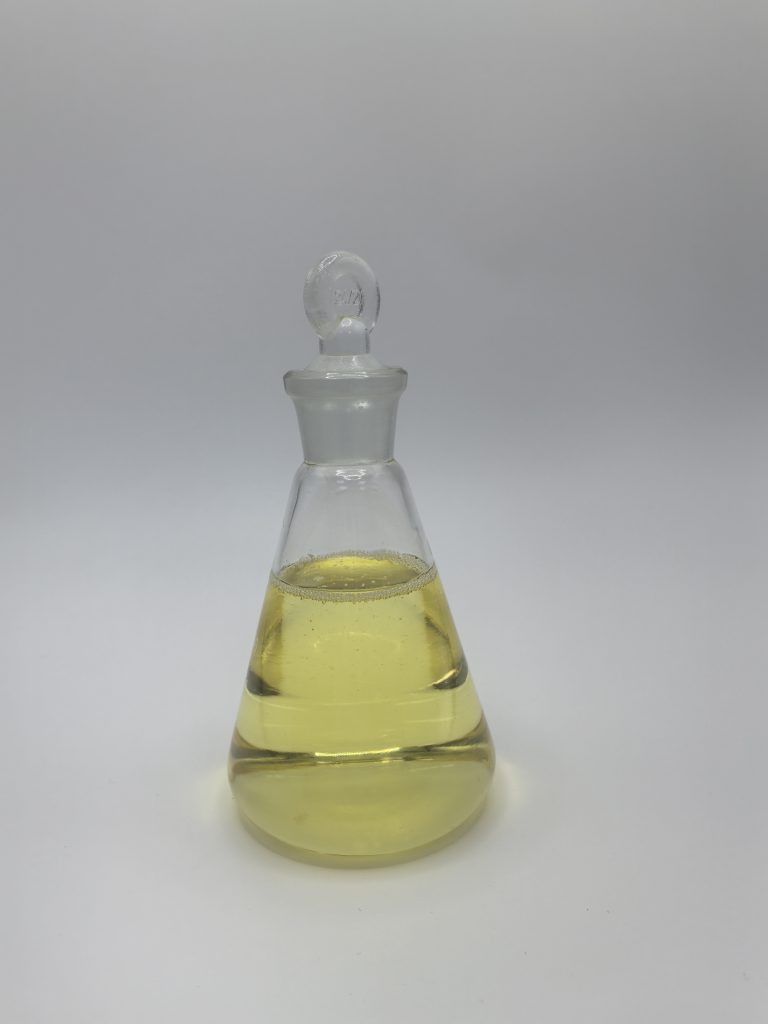
Flotation Frother No. 2 Oil
- Product type:
- Flotation Frother
- Appearance:
- Light yellow to reddish-brown oily liquid
- Effective component:
- Typically ≥40% for superior grade
- Packaging:
- 180 kg steel drum
Flotation Frother No. 2 Oil Specifications
| Item | Specification |
|---|---|
| Product Name | Flotation Frother No. 2 Oil |
| Alternative Name | No. 2 Flotation Oil |
| Product Type | Flotation Frother |
| Appearance | Light yellow to reddish-brown oily liquid |
| Effective Component | Typically ≥40% for superior grade |
| Solubility | Slightly soluble in water |
| Main Application | Frother for copper, lead, zinc, iron and other sulfide ore flotation |
| Typical Packaging | 180 kg steel drum |
No. 2 Oil Frother for Mineral Flotation
YuXing supplies Flotation Frother No. 2 Oil, also called No. 2 flotation oil, for mineral flotation circuits that require stable froth formation and practical reagent handling.
This frother is used in copper, lead, zinc, iron and other sulfide ore flotation. It can be evaluated together with collectors such as SBX, dithiophosphate collectors and modifiers from the mining chemicals catalog.
Selection Notes for Buyers
- Confirm appearance, effective component and packaging before procurement.
- Share ore type, froth behavior, flotation stage and dosage range.
- Evaluate froth stability, bubble size and entrainment control in plant trials.
- Request available safety and batch documents before shipment.
Packaging, Storage & Documents
Typical export packaging is a 180 kg steel drum. Store sealed in a cool, ventilated area away from heat and incompatible materials.
YuXing can coordinate available specifications, MSDS and commercial documents according to order requirements.
Froth Performance Variables for No. 2 Flotation Oil
No. 2 flotation oil should be selected by its behavior in the actual pulp, not by appearance alone. The useful comparison is whether the frother produces a mobile, drainable froth that carries target mineral without excessive water and fine-gangue entrainment.
Key Purchasing Parameters
- Record ore type, grind size, pulp density, pH and water chemistry during trials.
- Compare bubble dispersion, froth persistence, drainage and concentrate handling.
- Test dosage changes together with collector dosage because the reagent balance affects selectivity.
- Confirm effective component, drum net weight and available batch documents before shipment.
Related Products and Category
Compare dithiophosphate collectors, sodium butyl xanthate, mining chemicals as part of the wider process review; these products should not be treated as direct substitutes without application testing.
Information to Include in an Inquiry
For a supply review, send the flotation stage, current frother and dosage, collector scheme, monthly consumption, destination port and required delivery window.
Frequently Asked Questions
What is No. 2 flotation oil used for?
It is used as a flotation frother to help form and stabilize froth in mineral flotation circuits.
Is No. 2 Oil a collector?
No. It is a frother. Collectors make target minerals hydrophobic, while frothers control the bubble and froth phase.
How can I confirm dosage?
Dosage depends on ore type, pulp chemistry and target froth behavior. Plant trials are recommended.
Request No. 2 Oil Frother Supply
Send quantity, destination port, packaging preference and flotation application through the contact page.
Product Information Notice
- The values shown are typical reference information and are not a guaranteed sales specification. Final specifications are subject to the confirmed product, grade and batch COA.
- Packaging, transport method and hazard classification must be confirmed according to product grade, order quantity, destination regulations, shipping route and the current SDS.
- TDS, SDS/MSDS and COA files are provided according to product, batch and destination requirements. Public documents should not be treated as final delivery documents unless issued for the current batch.
- This page is for procurement discussion and technical selection reference only. It does not replace safety, regulatory, process design or site operating advice. Users must follow local regulations and the latest SDS.
