

PVC Resin Supplier for Industrial Processing
- Product:
- Polyvinyl chloride (PVC) resin
- CAS No.:
- 9002-86-2
- Molecular formula:
- (C2H3Cl)n
- Appearance:
- White PVC resin; confirm grade-specific form
- Grade selection:
- Application and processing dependent
- Documents:
- TDS / SDS / batch COA subject to inquiry
PVC Resin Supply for Industrial Buyers
YuXing coordinates the supply of polyvinyl chloride (PVC) resin, CAS 9002-86-2, for industrial processing and export procurement. PVC grade selection is not based on the polymer name alone: buyers should confirm resin type, viscosity or K-value range, processing method, finished-product requirements and destination before ordering.
For an accurate PVC quotation, provide the current grade or specification, application, quantity, packaging and destination port. YuXing will confirm the available grade, manufacturer information, packing, relevant technical documents and commercial terms against the inquiry. Product availability and document scope depend on the confirmed source and batch.
PVC Resin Specification Checklist
| Procurement item | Information to confirm | Why it matters |
|---|---|---|
| Resin type | Suspension, emulsion or application-specific grade | Determines the suitable processing route and formulation |
| Viscosity / molecular weight | K-value, polymerization degree or the supplier's stated test value and method | Affects fusion, melt strength and finished-product performance |
| Physical properties | Apparent bulk density, volatile matter and sieve residue where applicable | Supports feeding, handling and batch acceptance |
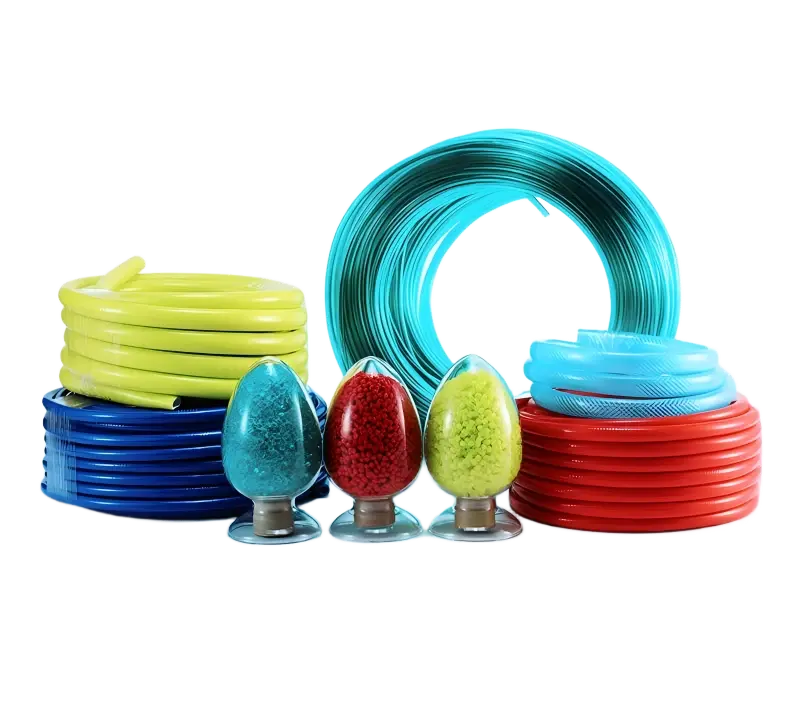
| Application | Pipe, profile, cable compound, hose, sheet, film, flooring or molding | Helps match the resin to the end use |
| Commercial requirements | Quantity, packaging, destination port and required delivery window | Defines the quotation and logistics basis |
PVC Applications and Grade Selection
PVC resin is compounded with stabilizers, processing aids, fillers, pigments and, for flexible products, plasticizers. The final formulation and processing conditions determine whether a grade is suitable for a particular product.
- Pipes and profiles: state the extrusion process, target rigidity, impact performance and current resin grade.
- Cable compounds and flexible products: provide the target hardness, electrical or mechanical requirements, plasticizer system and regulatory needs.
- Sheet, film and flooring: confirm surface, transparency, flexibility and dimensional requirements.
- Molding and specialty processing: identify the equipment, existing formulation and critical finished-part properties.
For another commodity polymer, compare polypropylene resin. Buyers can also browse the polymers and rubber raw materials catalog or review YuXing's chemical and industrial manufacturing supply support.
Documents, Packing and Export Coordination
Technical data, safety information and batch documentation must correspond to the confirmed product and source. TDS, SDS/MSDS, batch COA, packing information and shipment documents can be coordinated after the grade and inquiry details are confirmed. These files are not presented as unrestricted public downloads on this page.
Packaging format, palletization and shipping terms should be agreed before order confirmation. Buyers importing PVC resin should also verify their local tariff classification, labeling and documentation requirements rather than relying on a single general HS-code statement.
PVC Resin RFQ Information
- Required PVC type, grade, K-value or current product specification
- End use and processing method
- Critical physical or finished-product requirements
- Required quantity, order frequency and packaging
- Destination country and port
- Required documents or customer approval process
Frequently Asked Questions
What is PVC resin used for?
PVC resin is compounded for rigid and flexible products including pipes, profiles, cable compounds, hoses, sheets, flooring and molded components. Suitability depends on the resin grade, formulation, processing equipment and required finished-product properties.
How should a buyer choose a PVC resin grade?
Start with the processing method and application, then confirm resin type, K-value or equivalent viscosity measure, bulk density, volatile matter, particle distribution and any application-specific requirements. A current grade or sample specification is the most reliable basis for matching.
Is PVC supplied as powder or pellets?
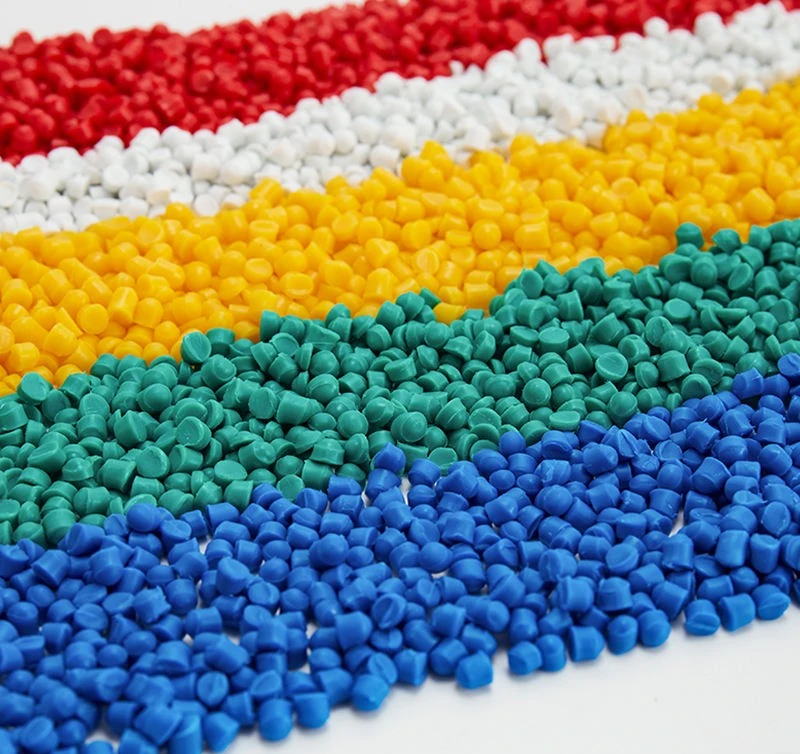
Virgin PVC resin is commonly supplied as a white powder, while compounded PVC may be supplied as granules or pellets. The form shown in application images does not define every available product; confirm the required resin type and supplied form during inquiry.
Can YuXing provide TDS, SDS and COA documents?
Relevant TDS and SDS/MSDS can be confirmed for the selected product, and a batch COA can be coordinated where available for an inquiry or order. Document scope depends on the manufacturer, product, batch and destination requirements.
What information is needed for a PVC resin quote?
Provide the grade or specification, application, processing method, quantity, packaging and destination port. Include any required test limits or approval documents so the offered material can be checked before quotation.
Request a PVC Resin Quote
Contact YuXing with your PVC resin specification and procurement details. The team will confirm the available grade, supplier information, document scope, packaging and export quotation.
Product Information Notice
- The values shown are typical reference information and are not a guaranteed sales specification. Final specifications are subject to the confirmed product, grade and batch COA.
- Packaging, transport method and hazard classification must be confirmed according to product grade, order quantity, destination regulations, shipping route and the current SDS.
- TDS, SDS/MSDS and COA files are provided according to product, batch and destination requirements. Public documents should not be treated as final delivery documents unless issued for the current batch.
- This page is for procurement discussion and technical selection reference only. It does not replace safety, regulatory, process design or site operating advice. Users must follow local regulations and the latest SDS.
