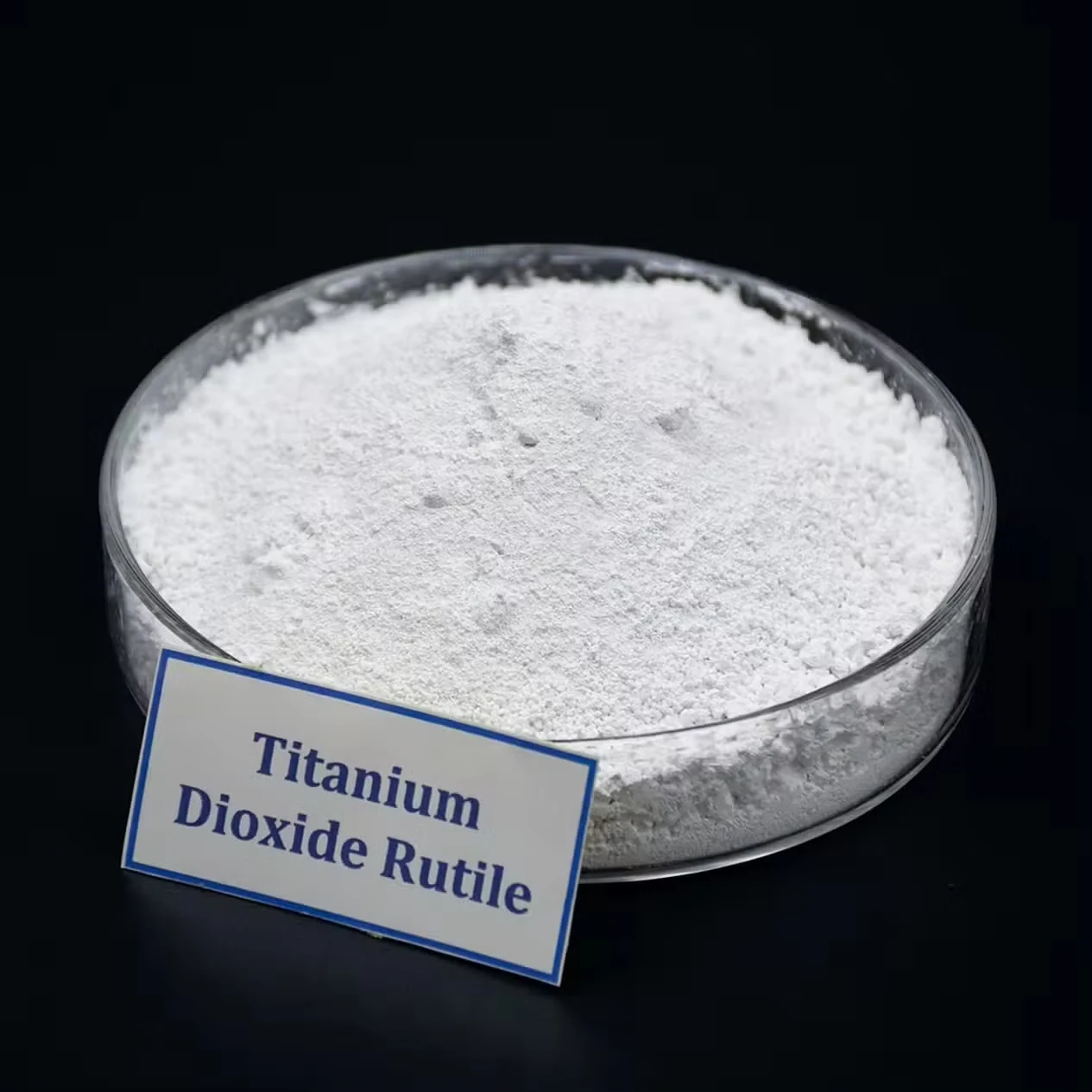
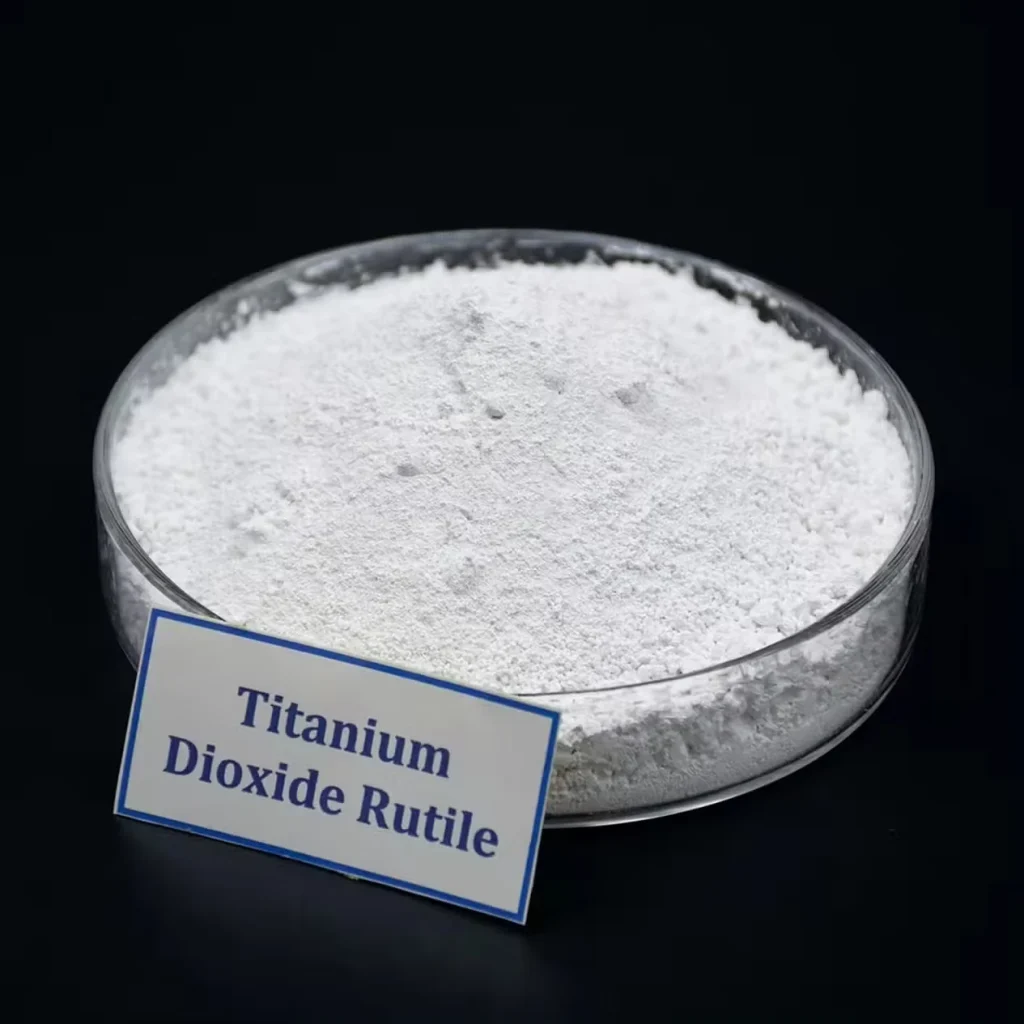
Rutile Titanium Dioxide
- Molecular formula:
- TiO₂
- TiO₂ content:
- 93%
- Appearance:
- White powder
- CAS No.:
- 13463-67-7
- HS Code:
- 320611
YuXing supplies rutile titanium dioxide (TiO₂) for coatings, paints, printing inks and industrial pigment applications. The grade is a zirconia-alumina treated rutile TiO₂ pigment designed for whiteness, gloss, hiding power and reliable dispersion. Buyers can request current TDS, MSDS, COA, sample support and export quotation based on destination and packaging requirements.
Quick Facts for Rutile Titanium Dioxide Buyers
| Product | rutile titanium dioxide |
| Type | Rutile titanium dioxide pigment / TiO₂ white pigment |
| CAS No. | 13463-67-7 |
| HS Code | 320611 |
| Typical TiO₂ Content | 93% |
| Surface Treatment | Zirconia, alumina and organic treatment |
| Main Applications | Coatings, architectural paints, industrial coatings, printing inks and pigment formulations |
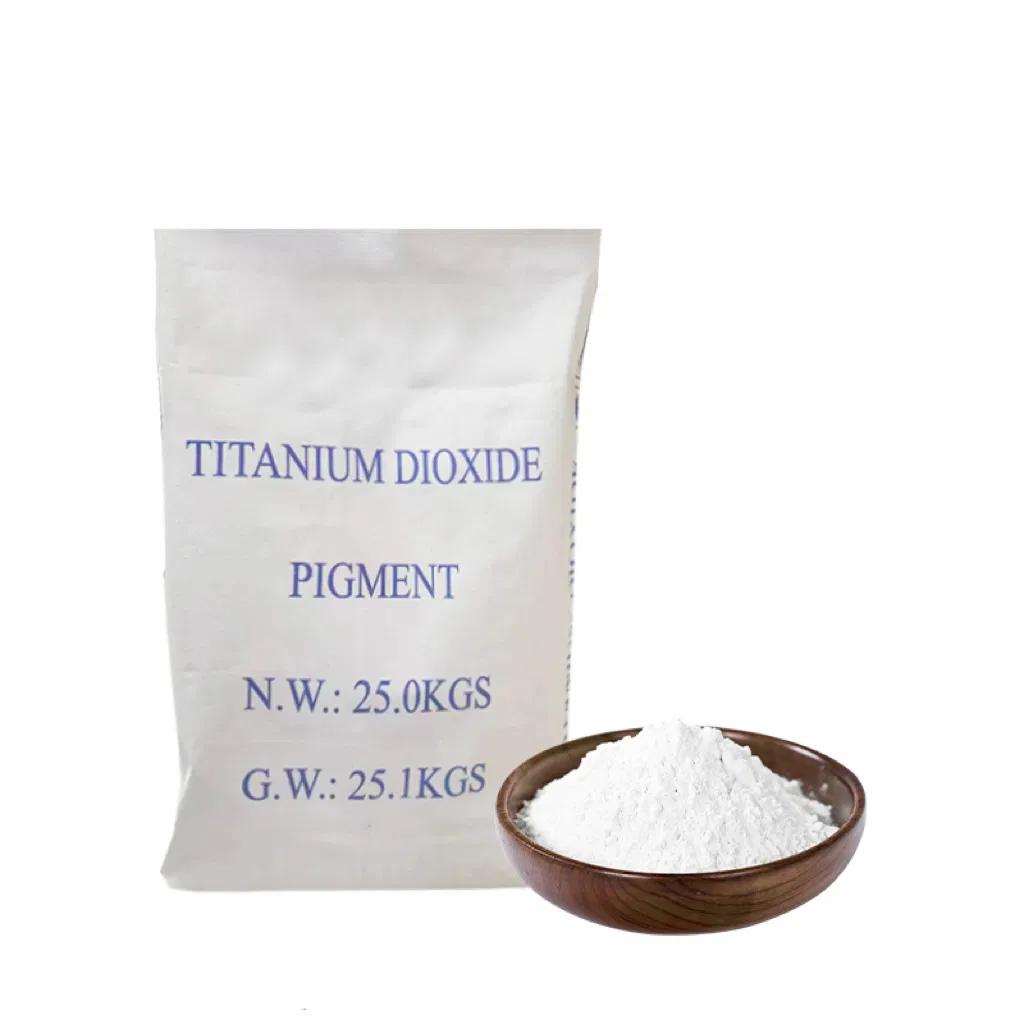
| Packaging | 25 kg bags; 500 kg / 1,000 kg bulk bags by agreement |
| Documents | TDS, MSDS and batch COA available on request |
For a broader product range, visit YuXing’s pigments & coatings chemicals category or the chemical supplier catalog.
Rutile Titanium Dioxide Typical Specifications
| Parameter | Typical Value | Test Method / Classification |
|---|---|---|
| Crystal form | Rutile | — |
| TiO₂ content | 93% | ISO 591-1 |
| Inorganic surface treatment | Zirconia, alumina | — |
| Organic surface treatment | Present | — |
| ISO / DIN classification | R2 | ISO 591-1 / DIN 55912 |
| ASTM classification | Type III | ASTM D476 |
| Dry powder whiteness (L*) | 98.5 | GB/T 5950-2008 |
| Volatile matter at 105°C | 0.4% | ISO 787-2 |
| pH of aqueous suspension | 7.2 | ISO 787-9 |
| Oil absorption | 19 g/100g | ISO 787-5 |
| Residue on 45 μm sieve | 0.01% | ISO 787-18 |
| Density | 3.8–4.2 g/cm³ | ISO 787-10 |
| Relative scattering power | 95–105% vs. reference | ISO 787-24 |
| Color difference in system | ΔE ≤ 0.5 vs. reference | ISO 787-25 |
| Polyester system dispersion fineness | ≤ 25 μm | High-speed dispersion |
| Resistivity of aqueous extract | 150 Ω·m | ISO 787-14 |
| Color index | Pigment White 6 | — |
Values shown are typical reference data for grade selection and are not guaranteed sales specifications. Confirm the current YuXing TDS and batch COA before purchase or formulation approval.
Rutile Titanium Dioxide for Coatings, Paints and Inks
Rutile titanium dioxide (TiO₂) is a rutile white pigment with zirconia-alumina inorganic treatment and organic surface modification. It is designed for coating and ink systems that need high whiteness, high gloss, strong hiding power, controlled color difference and practical dispersion performance.
The product can be evaluated in solvent-borne coatings, high-gloss and matt architectural paints, industrial coatings, printing inks and pigment master formulations. For technical comparison or document review, buyers can request the current TDS/MSDS through the YuXing document download center.
Application Guide
| Application | Why Rutile Titanium Dioxide Is Used | Buyer Checkpoint |
|---|---|---|
| Architectural paints | Supports whiteness, opacity and clean color development in interior and exterior paint systems. | Check hiding power, tint strength, weathering requirement and dispersion process. |
| Industrial coatings | Rutile crystal form and surface treatment support gloss, durability and pigment stability. | Confirm resin compatibility, gloss target, film thickness and application environment. |
| Printing inks | Fine dispersion and controlled color difference help white and light-color ink formulation. | Check dispersion fineness, viscosity impact and final ink opacity. |
| Powder and specialty coatings | High whiteness and scattering performance can support bright white powder-coating appearance. | Confirm processing temperature, formulation system and required documentation. |
Rutile vs Anatase Titanium Dioxide: Which One Should Buyers Choose?
| Item | Rutile Titanium Dioxide | Anatase Titanium Dioxide |
|---|---|---|
| Crystal form | More stable rutile structure | Anatase structure |
| Common use | Coatings, paints, plastics, inks and outdoor or durability-focused systems | Paper, fiber, selected indoor applications and systems where lower durability is acceptable |
| Performance focus | Hiding power, weather resistance, gloss and broad industrial compatibility | Whiteness and selected cost-sensitive applications |
| YuXing grade | rutile TiO₂ pigment | Available only when supply program and specification are confirmed |
If your formulation is for coatings, paints or inks, rutile titanium dioxide is usually the first grade to evaluate. Final selection should still be based on resin system, opacity target, dispersion method, weathering requirement and cost-performance balance.
Key Features of Rutile Titanium Dioxide
- High gloss and whiteness: dry powder whiteness of 98.5 and controlled color difference support clean white and tinted finishes.
- Easy wetting and dispersion: fine-particle control and surface treatment help achieve a polyester-system dispersion fineness of ≤ 25 μm.
- Strong hiding and scattering performance: R2 rutile crystal form and 95–105% relative scattering power support efficient opacity development.
- Broad formulation fit: suitable for evaluation in solvent-borne, architectural, industrial coating and printing-ink systems.
- Export documentation support: TDS, MSDS, COA, packing list and commercial documents can be coordinated for buyer review.
How to Evaluate Rutile TiO₂ for Industrial Coatings
For an industrial coating trial, compare titanium dioxide grades in the actual resin, dispersant and pigment-volume-concentration range rather than by TiO₂ content alone. Use equal formulation conditions and record opacity, tint strength, gloss, dispersion fineness, viscosity and weathering requirements before approving a grade.
| Evaluation Item | What to Confirm | Why It Matters |
|---|---|---|
| Coating system | Waterborne or solvent-borne resin, interior or exterior use | Surface treatment and compatibility affect dispersion and durability. |
| Optical performance | Opacity, tint strength, whiteness and undertone | TiO₂ efficiency depends on dispersion and particle spacing, not only dosage. |
| Application performance | Gloss, viscosity, film thickness and spray or roller process | The preferred grade must fit the actual production and application method. |
| Durability target | Weathering, chalk resistance and exposure environment | Exterior and industrial systems normally require a suitable rutile grade. |
Related formulation guides: compare titanium dioxide vs calcium carbonate, review causes of poor hiding power in coatings, see industrial titanium dioxide applications, and check the titanium dioxide safety guide.
Packaging, Storage and Export Support
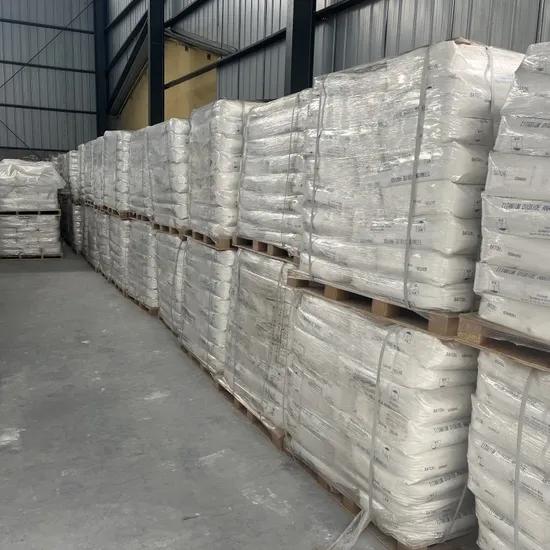
Packaging: Standard supply is 25 kg bags. 500 kg and 1,000 kg bulk-bag options may be discussed for project volumes.
Storage: Keep sealed in a dry, covered and well-ventilated area. Protect the product from moisture, outdoor exposure and contamination, and rotate stock on a first-in, first-out basis.
Safety: Use good industrial hygiene, minimize airborne dust and wear suitable respiratory, eye and hand protection where required. Review the current Safety Data Sheet before handling.
Quotation support: To request price and availability, send your application, required quantity, destination port, packaging preference and document requirements through the YuXing contact page.
Frequently Asked Questions
What is rutile titanium dioxide used for?
Rutile titanium dioxide is a white pigment used in coatings, paints, plastics, inks and other industrial formulations. In coating and ink systems, buyers usually evaluate hiding power, whiteness, gloss, dispersion and weathering performance.
What applications are suitable for rutile titanium dioxide?
Rutile titanium dioxide is intended for solvent-borne coatings, high-gloss and matt architectural paints, industrial coatings and printing inks where gloss, whiteness, dispersion and hiding power are important.
What is the CAS number and HS code for titanium dioxide?
The CAS number is 13463-67-7. The HS code used on this page is 320611. Import classification should be confirmed with the buyer’s local customs broker according to destination rules and final product declaration.
What does the R2 classification mean?
ISO 591-1 R2 identifies a surface-treated rutile titanium dioxide pigment. rutile titanium dioxide also corresponds to ASTM D476 Type III according to the referenced typical product data.
Why are zirconia and alumina used in the surface treatment?
Zirconia-alumina inorganic treatment, together with organic modification, is used to balance wetting, dispersion, gloss, hiding power and formulation compatibility.
Can YuXing provide TDS, MSDS and COA?
Yes. YuXing can provide available TDS, MSDS and batch COA for titanium dioxide procurement review, supplier approval and customs documentation. Buyers can request files through the product page or download center.
How should rutile titanium dioxide be packaged and stored?
Rutile titanium dioxide is commonly supplied in bags or bulk bags, with final packaging confirmed by grade, quantity, destination and order requirements. Store sealed, dry and indoors, away from moisture and contamination, and follow the SDS.
How can I request a titanium dioxide sample or quotation?
Send your application, required quantity, destination port and packaging preference through our contact page. YuXing will confirm available documentation, sample arrangements and commercial terms.
Shipment Photo
Request a Titanium Dioxide Quote
If you need rutile titanium dioxide (TiO₂) for coatings, paints, inks or industrial pigment applications, contact YuXing with your required quantity, destination port, packaging requirement and document needs. Our team will provide current TDS/MSDS/COA support, availability and quotation information.
Product Information Notice
- The values shown are typical reference information and are not a guaranteed sales specification. Final specifications are subject to the confirmed product, grade and batch COA.
- Packaging, transport method and hazard classification must be confirmed according to product grade, order quantity, destination regulations, shipping route and the current SDS.
- TDS, SDS/MSDS and COA files are provided according to product, batch and destination requirements. Public documents should not be treated as final delivery documents unless issued for the current batch.
- This page is for procurement discussion and technical selection reference only. It does not replace safety, regulatory, process design or site operating advice. Users must follow local regulations and the latest SDS.
