Modern gold extraction involves far more than crushing and grinding ore.
Every solid gold recovery process relies on a range of different mining chemicals working together—these chemicals play a critical role for controlling leaching efficiency, flotation performance, water treatment and tailings management.
From heap leaching operations in Africa to big CIP and CIL plants in South America and Asia, chemical consumption is already one of the biggest chunks of regular production costs.
For most gold mines, picking the right chemicals doesn’t just affect your recovery rate—it also directly affects process stability, water recycling, environmental compliance, operating efficiency, and long-term production reliability.
Right now, as ore grades drop and processing conditions get trickier, global demand for mining chemicals just keeps going up.
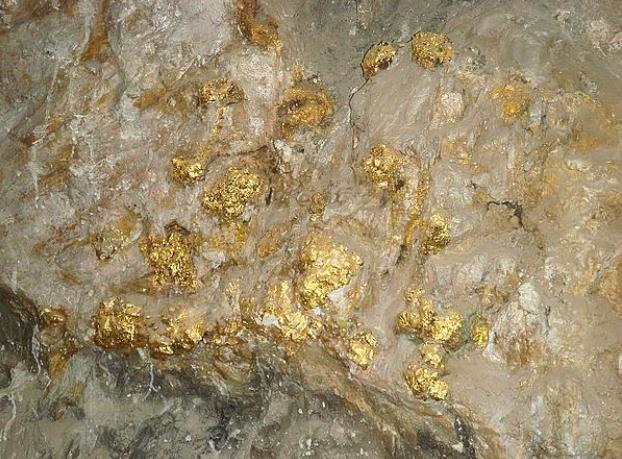
What chemicals are used in gold mining?
The main chemical used in gold mining is sodium cyanide, because it helps dissolve gold from ore during heap leaching, CIP, and CIL processing. However, gold mining does not rely on cyanide alone. A complete gold processing plant usually also uses lime for pH control, activated carbon for gold recovery, flocculants for solid-liquid separation, and flotation reagents, caustic soda, sulfuric acid, or water treatment chemicals depending on the ore type and processing method.
Sodium Cyanide Use in Gold Leaching
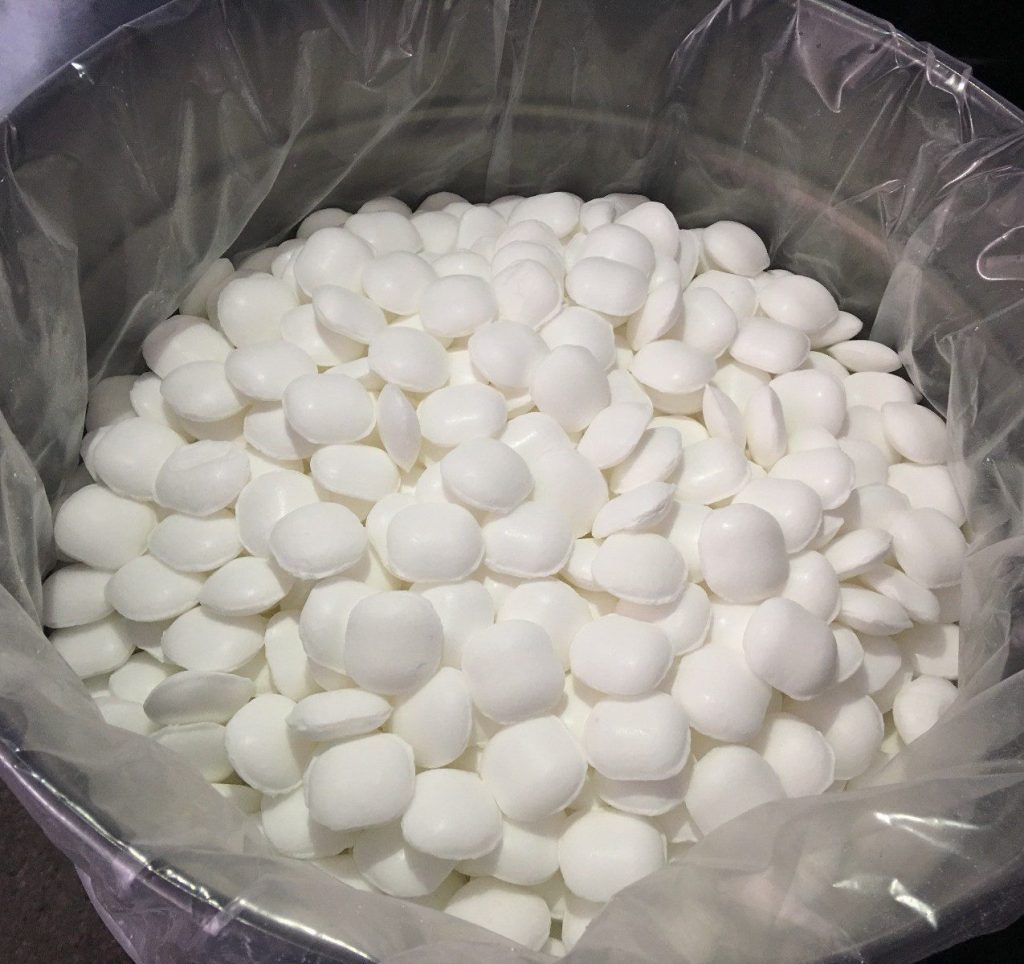
Out of all the chemical reagents used in gold mining, sodium cyanide remains the most critical.
It is widely used in heap leaching, carbon-in-pulp (CIP) and carbon-in-leach (CIL) circuits.
During cyanidation, gold dissolves into solution and is then recovered using activated carbon or electrowinning systems.
Gold producers typically evaluate cyanide dosage, leaching efficiency, detoxification requirements and supply reliability.
In remote mining regions, including many sites in Africa, dependable sodium cyanide supply is essential for continuous production.
Activated Carbon’s Role in Gold Recovery
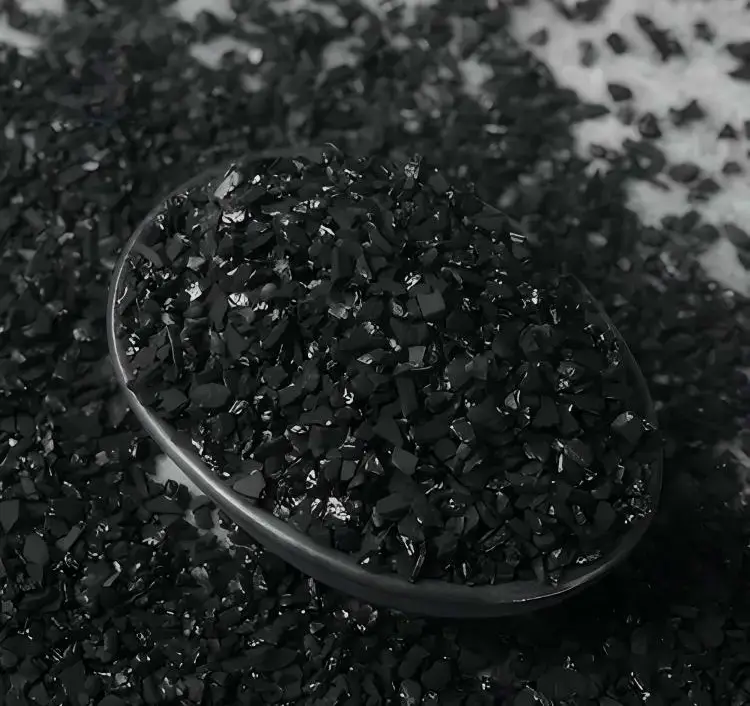
After gold dissolves in cyanide solution, you usually use activated carbon to recover it.
Coconut shell activated carbon is widely preferred for gold processing because of high hardness, strong adsorption power, low ash content, and great abrasion resistance.
In CIP and CIL circuits, the quality of your carbon directly affects gold adsorption efficiency, carbon loss rate, recovery stability, and operating costs.
Bad carbon performance can lead to more fines, lost gold, and frequent carbon replacement.
That’s why most gold mining companies focus more on carbon specs than just the price tag.
Lime Use for PH Control
Lime’s one of the most commonly used reagents in gold processing plants.
Its main job is keeping the environment alkaline during cyanide leaching.
Good pH control helps with boosting cyanide stability, preventing toxic gas from forming, and improving gold dissolution efficiency.
If your alkalinity’s all over the place, cyanide consumption can jump way up.
Most gold mines pick between these two based on their process design and local operating conditions, including quicklime and slaked lime.
Polyacrylamide (PAM) for Tailings Dewatering
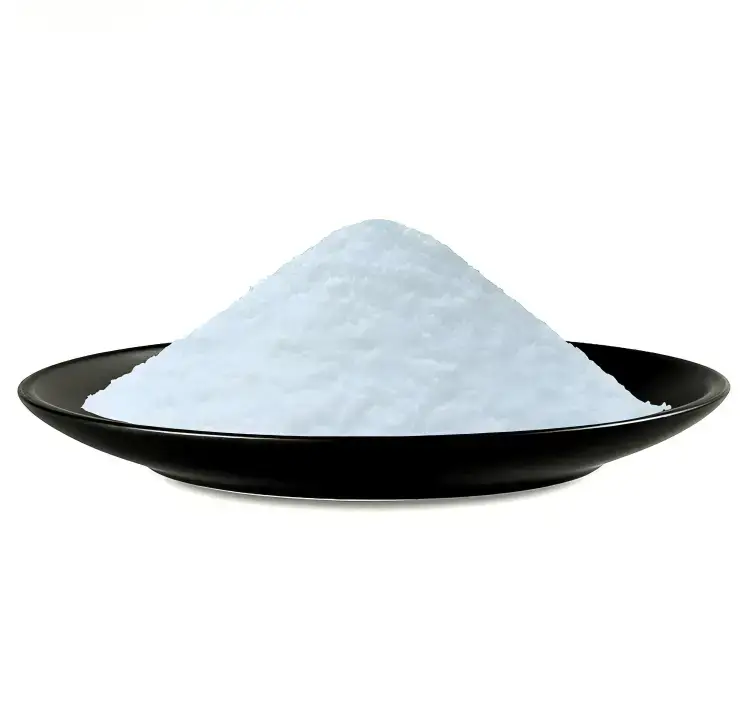
Tailings management is getting more and more important in modern mining operations. For a deeper look at this application, read our detailed guide on polyacrylamide for tailings dewatering.
PAM’s widely used as a flocculant for tailings thickeners, clarification systems, and water recovery circuits.
It helps fine particles settle rapidly, which improves clarity of overflow water, underflow density, and water recycling efficiency.
At most gold plants, how well and reliably your thickener works depends a whole lot on picking the right flocculant and using the right dose.
Flotation Reagents for Gold Processing
Not all gold ore gets processed with direct cyanidation.
For sulfide or refractory gold ores, you usually do flotation before leaching.
Common flotation reagents include collectors, frothers such as Methyl Isobutyl Carbinol (MIBC), activators, and depressants.
These reagents help separate valuable minerals from gangue before you move on to downstream processing.
What exact reagent system you use depends on ore mineralogy, sulfide content, recovery goals, and process setup.
Flotation chemistry’s especially important when you’re processing complex gold-copper ores.
Caustic Soda Use in Mineral Processing
Caustic soda‘s also used in some gold processing operations.
Its common uses include pH adjustment, system cleaning, process water treatment, and certain flotation circuits.
Compared to lime, caustic soda reacts faster and dissolves easier, but its cost changes depending on the region and your process design.
Sulfuric Acid and Other Industrial Chemicals
Even though sulfuric acid’s mostly used for copper processing, some gold operations also use sulfuric acid, hydrochloric acid, and nitric acid.
For things like equipment cleaning, lab use, and certain hydrometallurgical processes.
When you’re working with strong acids in a mining setting, chemical compatibility and operational safety are super important.
Water Treatment Chemicals for Gold Plants
Water quality affects nearly every stage of the beneficiation process.
As environmental standards get stricter, lots of gold mines are investing more in water recycling, cyanide detox, and suspended solids control.
Common water treatment chemicals are flocculants, coagulants, pH adjusters, and oxidizers.
Good water management doesn’t just lower environmental risk—it also cuts down on freshwater use in remote mining areas.
Why Choosing the Right Chemicals Matters
In real production, you should evaluate mining chemicals on a case-by-case basis.
A reagent that performs well on one ore body might underperform on another.
Factors that affect chemical selection include ore composition, water chemistry, process design, temperature conditions, and throughput requirements.
That’s why most mines do lab tests and plant trials first before they swap out their whole reagent system.
Even a tiny boost in reagent efficiency adds up to huge annual savings when you’re running at scale.
Challenges With Mining Chemical Supply
For gold producers operating out in the middle of nowhere, logistics and supply reliability are just as important as chemical quality.
Common pain points are long shipping lead times, hazardous material transport, packaging reliability, customs delays, and inventory management.
This is especially bad for sodium cyanide and other dangerous mining chemicals that need special export handling.
Match Gold Processing Chemicals to Each Process Stage
Chemical selection should follow the flowsheet and ore test results. A practical procurement review can group reagents by process stage:
- Heap leach, CIP and CIL: review sodium cyanide, activated carbon and pH-control requirements together.
- Flotation pretreatment: compare collectors such as sodium butyl xanthate (SBX) and Dithiophosphate BA, then evaluate MIBC frother for bubble and froth control.
- Tailings and water recovery: select the PAM charge type and molecular weight through settling tests rather than price alone.
- Supplier review: browse the mining chemicals catalog, confirm available TDS, SDS and COA documents, or discuss the flowsheet with our mineral processing team.
Conclusion
Modern gold extraction relies on a whole range of mining chemicals to keep production stable and efficient.
From cyanide leaching and activated carbon adsorption all the way to tailings dewatering and flotation, every reagent has its own specific job in the recovery process.
As gold processing becomes more complex and operating costs rise, mines increasingly prioritize reagent efficiency, process optimization, water management and supply-chain stability.
For most operations, selecting the right mining chemical supplier is a long-term process-performance and operating-reliability decision, not merely a purchasing choice.
