In most mining operations, handling tailings is easily one of the trickiest parts of the whole ore processing workflow. As production keeps ramping up and environmental rules get stricter and stricter, mines are constantly under pressure to boost water reuse rates, cut down tailings slurry discharge, and keep thickeners running smoothly—and polyacrylamide is exactly the go-to chemical for fixing all these headaches.
It’s widely used as a flocculant for tailings dewatering and solid-liquid separation in gold, copper, iron ore and pretty much all other ore processing workflows, and people usually just call it PAM for short. If you pick the right one, it can significantly speed up settling, make the overflow way clearer, and get your water recycling working way better too.
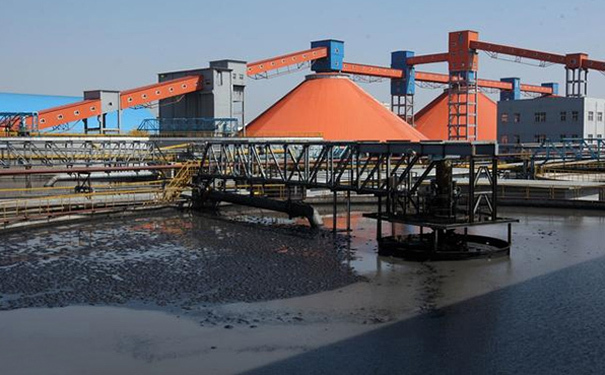
Why Tailings Dewatering Matters So Much
After flotation, leaching or separation, the tailings stream still has a ton of fine particles in the slurry. If your dewatering doesn’t work well, you may run into all these problems murky thickener overflow, lower water recovery rate, shaky, unstable tailings transport, higher storage costs, and more environmental pressure.
For most concentrators, especially the ones in areas that don’t have a lot of water to begin with, getting higher tailings water recovery directly ties into your operating costs and long-term sustainability. That’s why flocculants are totally non-negotiable in modern ore processing setups.
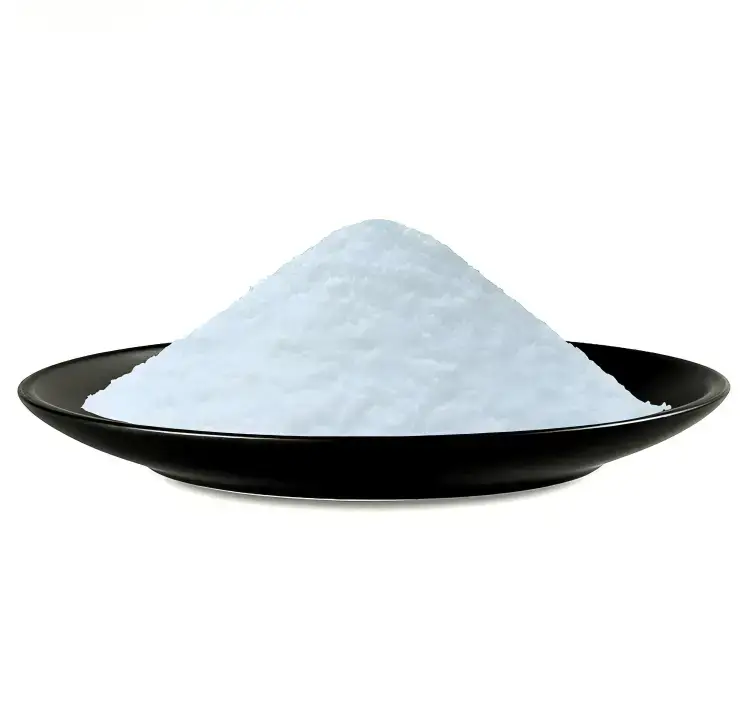
What Is Polyacrylamide?
It’s a water-soluble polymer, and its whole job is to speed up the settling of fine suspended particles. For mining applications, PAM makes those tiny fine particles clump together into bigger flocs, so the solids settle way faster in your thickener or clarifier. Compared to just waiting for natural settling, adding the right flocculant can make a huge difference in these metrics settling speed, overflow water clarity, underflow concentration, and water recycling efficiency.
Different ore types need different polymer structures and molecular weights, so you usually need to determine which flocculant to pick based on lab tests and your actual on-site operating conditions.
Common Use Cases for PAM in Mining
PAM is used in all kinds of ore processing jobs, and Its main applications include:
Gold Processing Plants
In CIP and CIL gold extraction processes, you normally add PAM in these stages, including tailings thickener, clarification systems, and cyanide detox circuits.
Stable flocculation helps boost your water reuse rate and cut down the amount of suspended solids in overflow water.
Copper Flotation Operations
Without effective flocculation, operations often face these issues, including unstable thickener operation, bad overflow water quality, and wonky pumping system issues.
For most big copper mines, how much flocculant you use is already a key operational parameter to keep production steady.
Iron Ore and Other Processing Plants
High-concentration tailings systems totally rely on well-matched polymer chemicals. Efficient dewatering helps cut down on tailings pond load, fresh water consumption, and problems with pipeline transport.
As global environmental regulations get tighter all the time, more and more mines are switching over to more efficient tailings management systems.
Picking Between Anionic, Cationic and Nonionic PAM
One of the most common questions when picking mining chemicals is how to choose between anionic, cationic and nonionic PAM. For tailings dewatering in ore processing, anionic polyacrylamide is the most widely used type — it works super well in alkaline process water systems that have inorganic mineral particles. That said, the best option still depends on these factors ore and mineral composition, slurry pH, particle size distribution, and process water chemistry.
So most mines will run beaker tests to double-check before they lock in a flocculant for long-term use.
Common Problems With Tailings Dewatering
Overflow Water Isn’t Clear Enough
Murky overflow is usually caused by one of these issues, including wrong polymer type picked, not enough dose added, broken dilution system, and unstable feed conditions.
Some plants try to fix this by just dumping way more chemical in, but that usually just causes other operational problems instead.
Too Much Flocculant Getting Used Up
High flocculant consumption is not always caused by product quality alone. Common reasons include fluctuations in ore properties, uneven slurry distribution, inaccurate mixing concentration, and not enough mixing energy.
At most mines, optimizing your dosing system actually cuts down per-unit chemical consumption way better than switching flocculant suppliers.
Unstable Thickener Underflow Concentration
Underflow concentration can fluctuate significantly, which affects tailings pumping stability, filtration performance, and water recovery efficiency.
That’s why for high-throughput operations, consistent polymer mixing and steady, even dosing are totally crucial.
What Factors Affect PAM Performance?
In actual concentrator operation, flocculant performance doesn’t just depend on the polymer itself—there’s a bunch of process parameters that make a huge difference, including slurry temperature, solids concentration, agitation intensity, retention time, and water chemistry.
If you don’t manage your mixing or dosing system right, even top-quality polyacrylamide won’t work like it’s supposed to. That’s why on-site technical support and testing are just as important as the product specs themselves.
Tips for Transport and Storage
Mining-grade polyacrylamide usually comes in these forms 25kg bags, bulk ton bags, and emulsion form for some applications.
Since PAM soaks up moisture super easily, storing it the right way is really important. For most export markets, especially in Africa and South America, solid packaging and moisture protection are totally non-negotiable during long-distance shipping.
Tailings Management Is More Important Than Ever
As mining companies face more and more environmental pressure, tailings dewatering tech keeps getting better. Right now, most mining operations are focusing on, including boosting water reuse rates, promoting dry tailings stacking, cutting down reliance on traditional tailings ponds, and improving thickener operating efficiency.
Cutting overall water use In this context, optimizing flocculant use isn’t just a routine chemical purchasing thing anymore—it’s become a key part of optimizing the whole production process..
Conclusion
In modern concentrators, polyacrylamide is an absolutely essential part of an efficient tailings management system. No matter if you’re processing gold, copper or iron ore, picking the right PAM and dosing it correctly will improve settling performance, water recovery rate, thickener operating stability, and overall plant efficiency.
For most mines, optimizing tailings dewatering isn’t just about meeting regulatory requirements—it’s a core step to cut operating costs and keep production stable long-term.
