Carbonized material—also called coconut shell charcoal—is what you get after raw coconut shell is cleaned, dried, and heated in an oxygen-limited environment through a process called pyrolysis. This turns the hard, woody shell into a porous carbon structure. It is an essential intermediate step, but it is not the finished product buyers usually mean when they ask for coconut shell activated carbon; that requires a separate activation stage on top of what is described here.
If you are sourcing coconut shell-based carbon products, understanding this stage matters because carbonization quality sets the ceiling for everything that follows. A poorly carbonized shell cannot be fixed by activation—the porosity and consistency have to be built in at this step. For a downstream buyer’s view, see our guide to the benefits of coconut shell activated carbon.
Step 1: Cleaning and Preparing the Raw Shell
Before any heat is applied, the coconut shell has to be prepared:
- Coconut water and residual milk are drained out
- Remaining coconut flesh is scraped clean from the shell interior
- The fibrous husk material on the exterior is removed
- The shell is dried to reduce moisture content
This step is easy to underestimate, but it directly affects carbonization quality. Shells that still carry moisture, flesh residue, or fiber contamination carbonize unevenly and can leave impurities in the finished charcoal—which is one reason raw material sourcing and cleaning discipline matter as much as the carbonization process itself.
Step 2: Carbonization (Pyrolysis)
Carbonization, also called charring or pyrolysis, is the core transformation. Cleaned, dried coconut shells are heated in an oxygen-limited environment to temperatures generally in the range of 300°C to 700°C, depending on the kiln design and production method. Limiting oxygen prevents the shell from simply burning to ash; instead, heat breaks the material down into a solid carbon structure while volatile gases and moisture are released.
One widely used method is the drum kiln, a lidded tank fitted with a small chimney that restricts airflow to raise interior temperature. In this setup, the bottom layer of shells carbonizes first, visible as a glowing orange color at the base of the kiln. Reaching this stage from initial ignition commonly takes around 12 hours, though timing varies with batch size, shell moisture, and kiln design.
Step 3: Pacification—Catching the Right Moment
Once the glowing carbonization stage is reached, airflow to the bottom layer is cut off and the material begins to cool—a stage known as pacification. This step is where carbonization quality is won or lost: if the shells are allowed to keep burning past this point, the material degrades into ash rather than usable charcoal. If pacification happens too early, the shells are not fully carbonized.
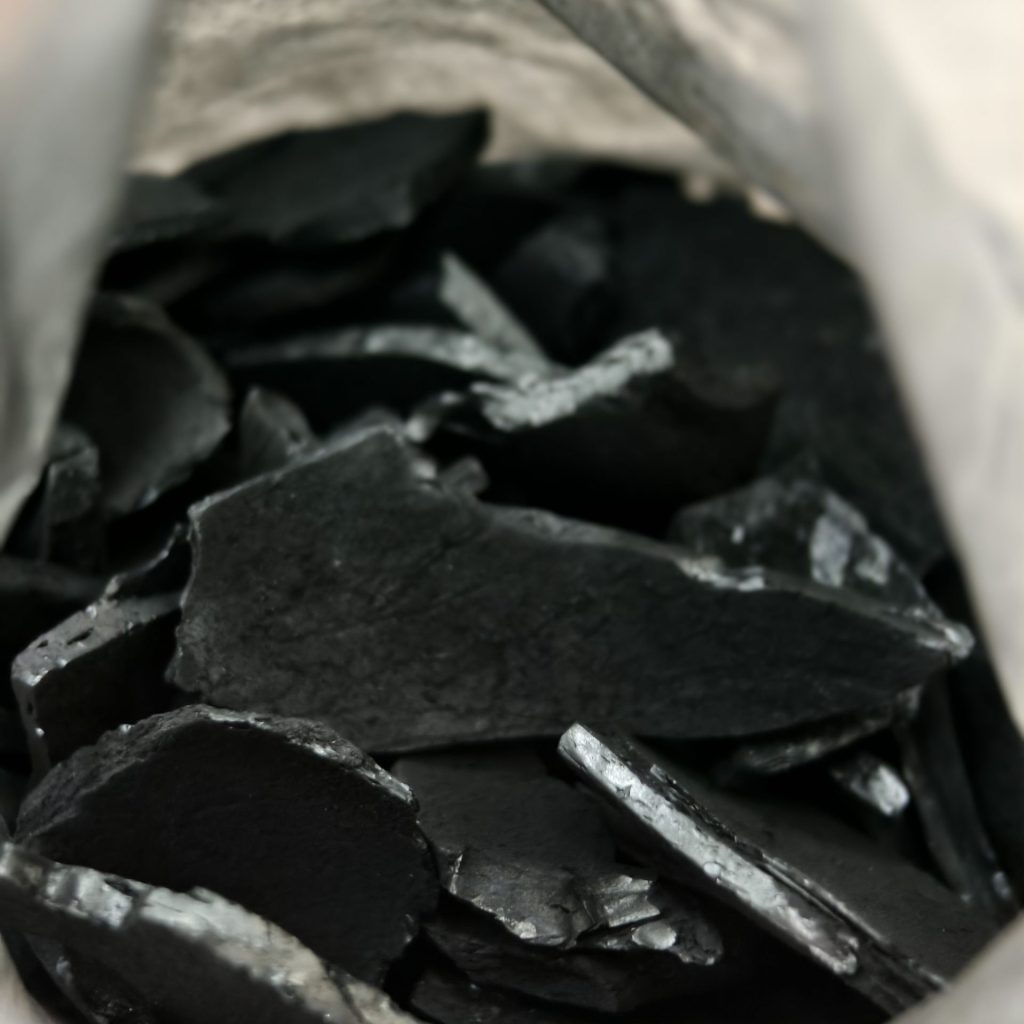
Timing this stage correctly is one of the more difficult parts of the process to standardize, since it depends on reading the state of the material rather than following a fixed clock. This is part of why carbonization consistency varies noticeably between producers, and why buyers sourcing carbonized material or downstream activated carbon should ask suppliers how this stage is controlled. If you are comparing supplier claims, the checks in our guide to identifying fake coconut shell activated carbon are also useful.
Carbonized Material vs. Activated Carbon: Why They Are Not the Same
After pacification and cooling, what remains is carbonized coconut shell—a porous carbon skeleton, but not yet an effective adsorbent. The pore structure at this stage is underdeveloped: it has porosity, but not the surface area needed to adsorb contaminants efficiently.
Turning this carbonized material into activated carbon requires a separate activation step—typically steam activation at much higher temperatures, or chemical activation using agents such as phosphoric acid. Activation opens and enlarges the pore structure to the point where the carbon can effectively adsorb organic compounds, chlorine, or trace metals in water and gold processing applications.
In short: carbonization builds the carbon skeleton. Activation is what makes that skeleton functional as an adsorbent. For gold processing buyers, this later performance stage is covered in our coconut shell activated carbon gold mining checklist.
Why Coconut Shell Is a Preferred Feedstock
Not all carbon feedstocks carbonize the same way. Coconut shell has structural characteristics that make it particularly well suited to producing high-performance carbon material:
- Dense, hard structure—coconut shell’s natural density carbonizes into a tighter, more consistent carbon skeleton than softer feedstocks like wood.
- Fine micropore development—carbon derived from coconut shell is comparatively difficult to graphitize, which generally allows it to develop a finer, more uniform micropore structure once activated, compared with coal-based carbon.
- Renewable byproduct—coconut shell is a byproduct of the coconut industry rather than a mined resource, supporting more consistent long-term supply in major coconut-producing regions across Southeast Asia and South Asia.
What Buyers Should Look For
Whether you are sourcing carbonized material as a raw input or finished activated carbon, a few indicators reflect whether the carbonization stage was well controlled:
- Color and burn uniformity—inconsistent coloring across a batch often points to uneven kiln temperature or poor pacification timing
- Ash content—elevated ash content can indicate shells were over-carbonized or contaminated with residual husk or flesh
- Hardness—properly carbonized material should hold together without excessive fines or crumbling during handling
These indicators carry through to the final activated carbon product, since activation cannot correct a poorly carbonized base material.
FAQ
What is the difference between charcoal and carbonized material?
They are essentially the same product—the intermediate carbon skeleton left after pyrolysis, before activation. Neither is activated carbon yet.
What temperature is coconut shell carbonized at?
Generally between 300°C and 700°C, depending on kiln design and production method.
Why is coconut shell used instead of wood or coal for activated carbon?
Its dense structure carbonizes into a finer, more consistent micropore skeleton, and it is a renewable industry byproduct rather than a mined resource.
Is carbonized coconut shell the same as activated carbon?
No. Carbonized shell is a porous carbon structure, but it needs a separate activation step, usually steam or chemical activation, to develop the surface area needed for effective adsorption.
Sourcing coconut shell-based carbon for water treatment or gold processing? YuXing Chemical supplies coconut shell activated carbon with controlled carbonization and activation processes to ensure consistent quality batch to batch. Get in touch for a technical consultation and quotation.
