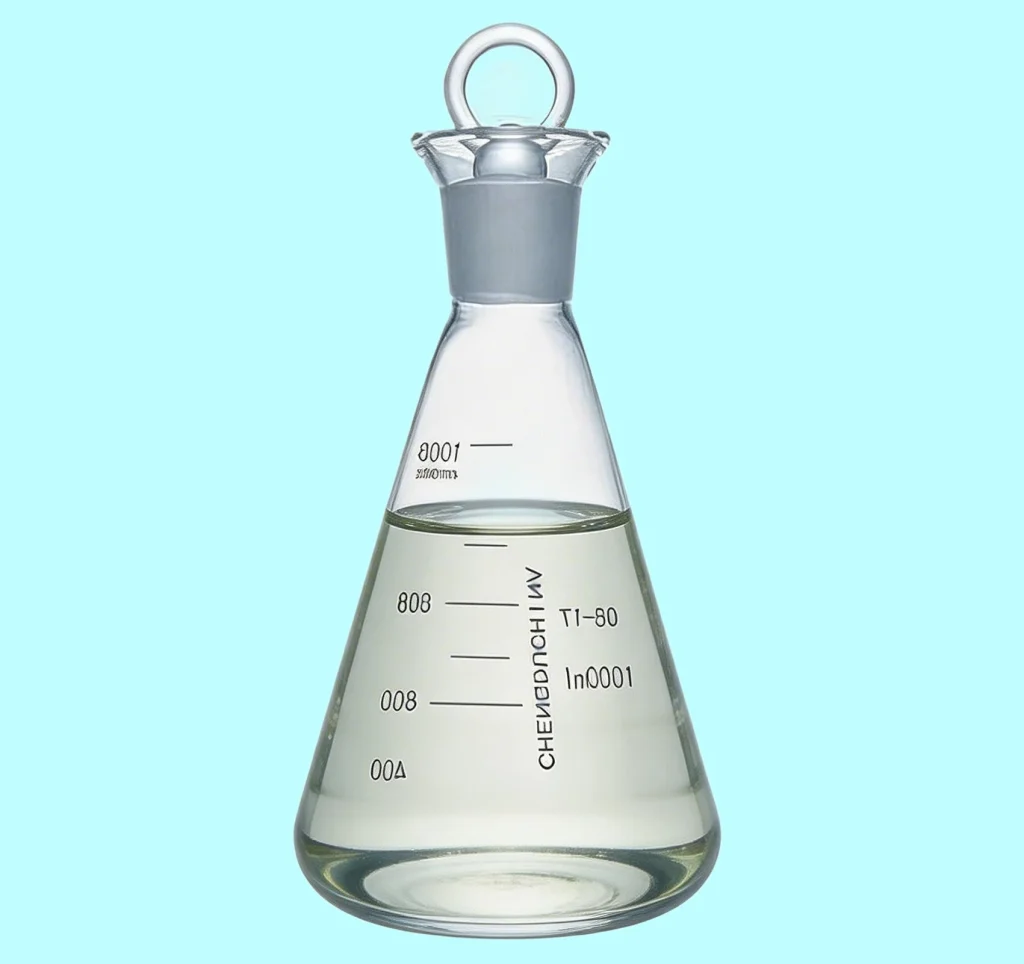
Industrial Phosphoric Acid 85% Supplier
- Molecular formula:
- H₃PO₄
- Content:
- ≥ 85%
- Appearance:
- Clear, colorless liquid
- CAS No.:
- 7664-38-2
- UN No.:
- UN 1805
- Hazard class:
- Class 8 corrosive
YuXing is an industrial phosphoric acid 85% supplier supporting fertilizer production, metal treatment, selected water-treatment processes and chemical manufacturing. Phosphoric acid 85% is H₃PO₄ solution, CAS 7664-38-2 and commonly transported as UN 1805, Class 8. Final assay, impurity limits, packaging and transport documents are confirmed for the buyer’s application, destination and selected batch.
This page covers industrial-grade phosphoric acid. An 85% concentration does not by itself make a product food grade. Food applications require a separately confirmed grade, applicable compliance documents and application-specific impurity limits.
Phosphoric Acid 85% Product Identification
| Item | Supply description | Purchasing note |
|---|---|---|
| Product name | Phosphoric Acid | Also called orthophosphoric acid |
| CAS number | 7664-38-2 | Confirm on quotation and safety data |
| Molecular formula | H₃PO₄ | Molecular weight: 97.995 g/mol |
| Concentration | Typically ≥85% | Confirm basis, tolerance and batch result |
| Appearance | Clear, colorless liquid | Final acceptance criteria follow the agreed specification |
| Grade | Industrial grade | Not represented as food grade unless separately documented |
| Transport identity | UN 1805, Phosphoric acid solution | Class 8 corrosive; shipment details follow current SDS and route rules |
Typical Industrial Applications
| Application | Process role | Information to confirm |
|---|---|---|
| Fertilizer and phosphate production | Phosphate raw material and process acid | Assay, impurity profile and downstream process |
| Metal treatment | Phosphating, rust removal and surface preparation | Metal type, bath formulation and material compatibility |
| Industrial water treatment | Selected pH adjustment and phosphate-chemistry duties | Water analysis, dose, discharge limits and downstream compatibility |
| Chemical manufacturing | Intermediate for phosphate salts and industrial formulations | Required concentration and application-specific impurities |
| Industrial materials | Selected flame-retardant and surface-treatment formulations | Formulation target and technical specification |
For related sourcing, browse the industrial acids range, compare with sulfuric acid, or review YuXing’s chemical industrial manufacturing support. Water-treatment buyers can also review the water treatment chemicals category.
Industrial Grade vs Food Grade
Concentration and grade are different purchasing decisions. Two products may both contain 85% H₃PO₄ while having different impurity specifications, production controls, documentation and approved uses. This page does not claim food-grade suitability. If an application is regulated, the buyer should state the required standard and obtain written grade confirmation before ordering.
Industrial Phosphoric Acid Specifications to Confirm
- Assay: confirm the required H₃PO₄ concentration and acceptance tolerance.
- Impurities: provide application-specific limits for chloride, sulfate, iron, arsenic or other controlled elements where relevant.
- Test methods: align units and analytical methods before treating two supplier specifications as equivalent.
- Batch documents: current specification, SDS and batch COA availability are coordinated for the confirmed product and order.
- Application validation: the buyer should verify performance and material compatibility under actual process conditions.
| Parameter | Why buyers should confirm it |
|---|---|
| H₃PO₄ assay and test basis | Defines active concentration and prevents comparison of results produced by different methods. |
| Chloride and sulfate | May affect metal treatment, downstream reactions and corrosion-sensitive processes. |
| Iron and colour | Can matter for appearance-sensitive formulations and phosphate manufacture. |
| Arsenic and heavy metals | Application-specific limits may be required; industrial grade must not be assumed suitable for regulated uses. |
| Packaging and liner material | Must match concentration, route, unloading equipment and destination requirements. |
| SDS, specification and batch COA | These documents establish the confirmed product, safety information and batch acceptance basis. |
Packaging, Transport and Storage
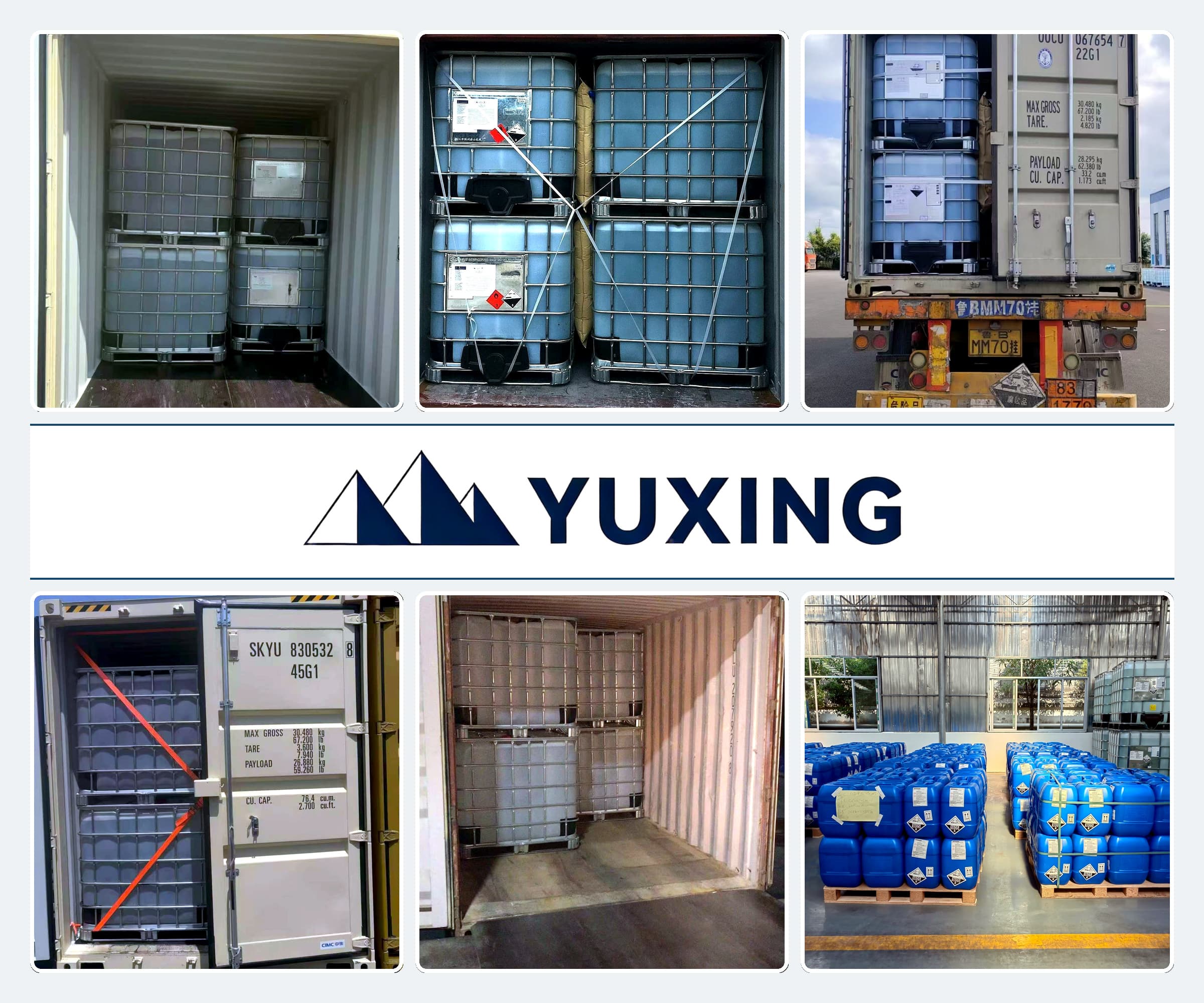
Phosphoric acid solution is a corrosive dangerous good. The transport identity is commonly UN 1805, Class 8; packing and shipment requirements must be checked against the current SDS, concentration, container, carrier, route and destination-country rules. Packaging options are therefore confirmed during quotation rather than assumed from a generic product listing.
- Use compatible, corrosion-resistant containers and transfer equipment.
- Keep packages closed, correctly labelled and protected from incompatible materials.
- Confirm whether drums, IBCs or bulk transport are suitable for the required route and quantity.
- Follow the product SDS for PPE, spill response, handling and storage controls.
Shipment photo:
Information to Include in a Bulk RFQ
- Required grade and H₃PO₄ concentration.
- Application and any critical impurity limits.
- Required quantity and purchasing frequency.
- Preferred packaging and unloading limitations.
- Destination country and port.
- Required documents and target delivery schedule.
Send these details through the contact page to request current specifications, packaging confirmation and a bulk quotation.
Frequently Asked Questions
What grade of phosphoric acid does this page describe?
This page describes 85% industrial-grade phosphoric acid. A regulated or food application requires separately confirmed grade suitability and documentation.
Is 85% phosphoric acid automatically food grade?
No. Concentration does not establish grade. Food-grade suitability depends on impurity limits, manufacturing controls, applicable standards and supporting documents.
What is phosphoric acid used for in industry?
Industrial phosphoric acid is used in fertilizer and phosphate production, metal treatment, selected water-treatment duties and the manufacture of phosphate salts and industrial formulations.
What are the CAS number and molecular formula?
The CAS number is 7664-38-2 and the molecular formula is H₃PO₄. The molecular weight is 97.995 g/mol.
What are the UN number and hazard class?
Phosphoric acid solution is commonly transported as UN 1805, Class 8 corrosive. Exact shipment requirements must be confirmed from the current SDS and applicable transport rules.
What HS code applies to phosphoric acid?
The international HS heading is commonly 2809.20 for phosphoric and polyphosphoric acids. National tariff codes can contain additional digits, so the final code should be verified for the export and destination countries.
How can I request a phosphoric acid quotation?
Provide the required grade, concentration, application, quantity, packaging, destination port and required documents through the YuXing contact form.
Technical References
- PubChem: Phosphoric Acid (CAS 7664-38-2)
- ECHA: Orthophosphoric acid substance information
- NOAA CAMEO Chemicals: UN 1805
Technical review: YuXing Chemical product and application team. Reviewed October 12, 2026. Final suitability, specification, packaging and documents must be confirmed for the selected source, batch and destination.
Product Information Notice
- The values shown are typical reference information and are not a guaranteed sales specification. Final specifications are subject to the confirmed product, grade and batch COA.
- Packaging, transport method and hazard classification must be confirmed according to product grade, order quantity, destination regulations, shipping route and the current SDS.
- TDS, SDS/MSDS and COA files are provided according to product, batch and destination requirements. Public documents should not be treated as final delivery documents unless issued for the current batch.
- This page is for procurement discussion and technical selection reference only. It does not replace safety, regulatory, process design or site operating advice. Users must follow local regulations and the latest SDS.
