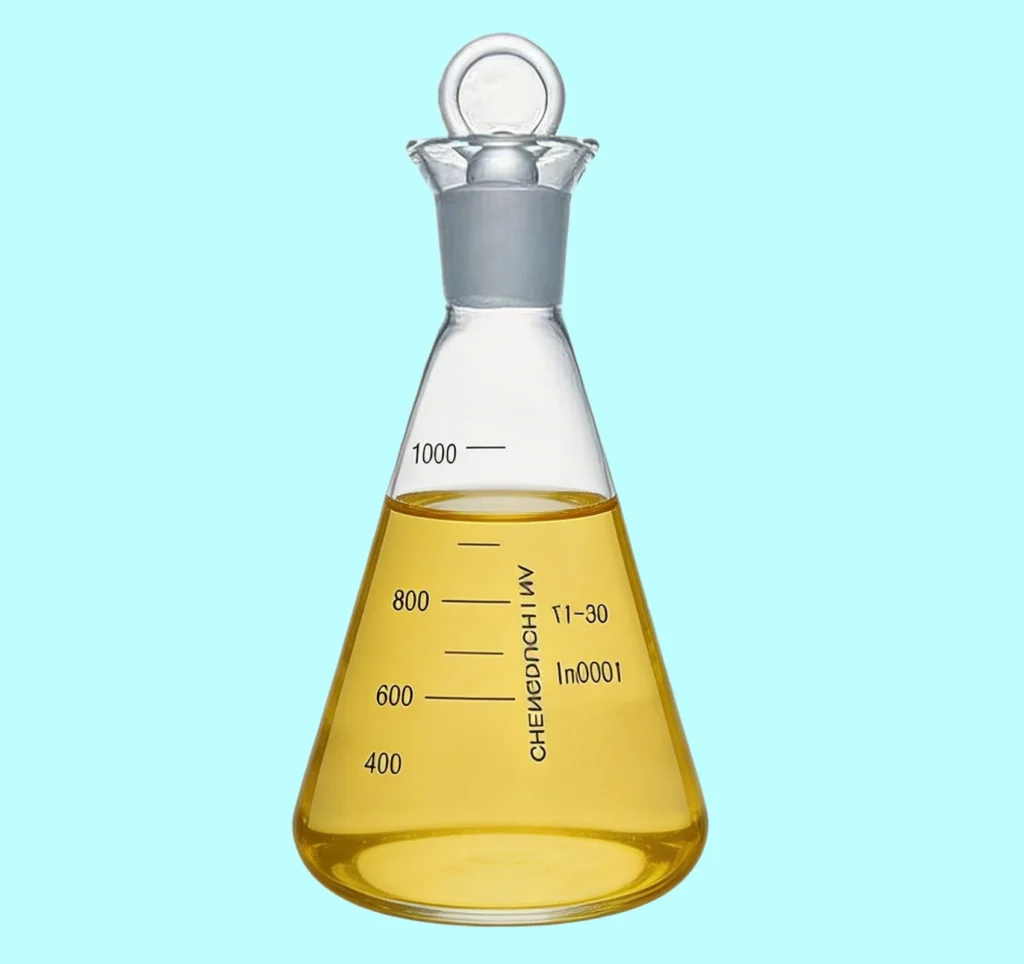
Nitric acid
- Molecular formula:
- HNO₃
- Content:
- ≥ 68%
- Appearance:
- Colorless or Pale Yellow Liquid
- CAS No.:
- 7697-37-2
- HS Code:
- 2808000090
- Hazard Class:
- Class 8 Corrosive Substances
Nitric Acid Specifications (HNO₃ ≥68%)
| Item | Unit | Content |
|---|---|---|
| Appearance | / | Colorless or pale yellow |
| Nitric Acid Content | % | ≥ 68 |
| Chloride | ppm | ≤ 0.5 |
| Heavy Metals (as Pb) | ppm | ≤ 0.2 |
| Sulfate | ppm | ≤ 1 |
| Arsenic | ppm | ≤ 0.01 |
| Iron | ppm | ≤ 0.2 |
| Residue on Ignition | ppm | ≤ 5 |
Fertilizer, Mining & Industrial Applications
YuXing nitric acid (HNO₃ ≥68%) is an industrial acid supplied as colorless or pale yellow liquid with controlled chloride, sulfate, heavy metal and iron impurities. It is widely used in fertilizer production, mining, organic chemical synthesis and electronics manufacturing.
In mining and metallurgy, HNO₃ supports metal dissolution, surface treatment and process adjustment. Compare with sulfuric acid (H₂SO₄), or browse our industrial acids catalog.
Why Choose YuXing HNO₃
1. Stable ≥68% concentration with low chloride, sulfate and heavy metal impurities — consistent quality for reliable industrial acid supply.
2. Flexible export packaging confirmed by current order and regulations in a clear liquid form with Class 8 corrosive documentation support.
3. YuXing provides TDS/MSDS/CoA documentation and technical support for mining, fertilizer and chemical industry customers.
Frequently Asked Questions
What is nitric acid used for in industry?
HNO₃ is used in fertilizer production (ammonium nitrate), organic chemical synthesis, metal etching and electronics manufacturing. In mining, it supports metal dissolution and metallurgical process adjustment.
What is the difference between nitric acid and sulfuric acid?
Nitric acid is a strong oxidizing acid suited to nitration reactions and metal dissolution. Sulfuric acid (H₂SO₄) is a non-volatile acid used for dehydration, fertilizer and high-temperature processes — selection depends on application chemistry.
What concentration does industrial nitric acid require?
Industrial applications typically require HNO₃ content ≥68% with chloride ≤0.5 ppm, heavy metals (as Pb) ≤0.2 ppm and sulfate ≤1 ppm. Typical market specifications may include the following; final specifications are confirmed by grade, batch and current documentation with CoA verification.
What is the HS code and hazard class for nitric acid?
The export HS code is 2808000090. This is a Class 8 corrosive substance and strong oxidizer. YuXing provides TDS, MSDS and CoA to support customs clearance and regulated transport.
How is nitric acid packaged for export?
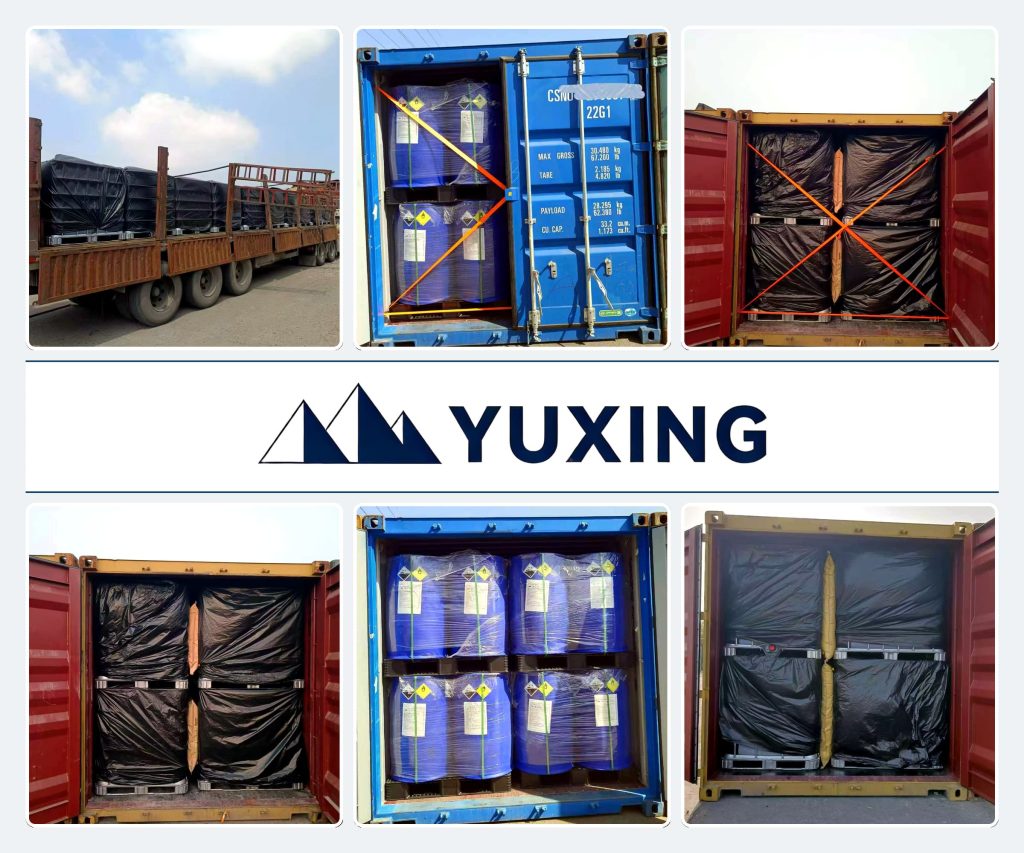
YuXing supplies nitric acid in export-standard packaging — approved packaging confirmed by current order and regulations — suitable for Class 8 corrosive chemicals per destination requirements.
How can I get a nitric acid quotation?
Submit your application, required quantity and destination port via our contact page, or request current TDS/SDS/MSDS availability through our contact form.
Shipment Photo:
Request a Quote
If you need nitric acid (HNO₃ ≥68%) as an industrial acid for fertilizer, mining, chemical synthesis or electronics manufacturing, contact YuXing with your required quantity, destination port and packaging requirements. Our team will provide a quotation and technical support.
Product Information Notice
- The values shown are typical reference information and are not a guaranteed sales specification. Final specifications are subject to the confirmed product, grade and batch COA.
- Packaging, transport method and hazard classification must be confirmed according to product grade, order quantity, destination regulations, shipping route and the current SDS.
- TDS, SDS/MSDS and COA files are provided according to product, batch and destination requirements. Public documents should not be treated as final delivery documents unless issued for the current batch.
- This page is for procurement discussion and technical selection reference only. It does not replace safety, regulatory, process design or site operating advice. Users must follow local regulations and the latest SDS.
