Industrial Alkalis for Manufacturing and Water Treatment
YuXing supplies industrial alkalis for chemical processing, glass manufacturing, detergents, water treatment, mining and other industrial operations. The range includes caustic soda (sodium hydroxide), potassium hydroxide, sodium carbonate (soda ash), sodium bicarbonate and calcium hydroxide.
These products are not interchangeable. Buyers should match the chemical, grade, form and impurity limits to the process rather than selecting by alkalinity alone. Send the application, target specification, required quantity and destination port so the available grade, packaging and documents can be reviewed before quotation.
Industrial Alkali Products
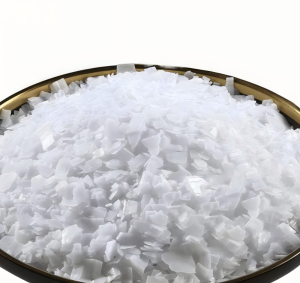
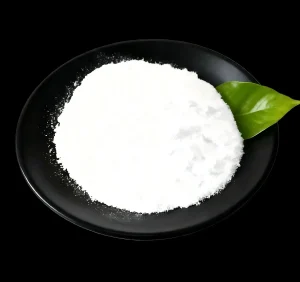
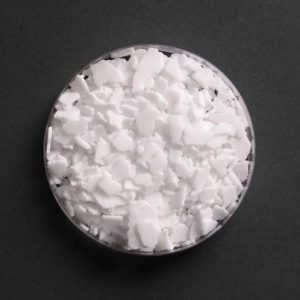
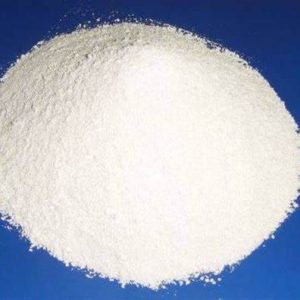
Industrial Alkali Comparison
| Product | Typical Form / Grade | Common Industrial Uses | Key Selection Points |
|---|---|---|---|
| Caustic Soda NaOH | Flakes, typically 99% | Strong pH adjustment, chemical processing, pulp and paper, metal treatment | NaOH assay, sodium carbonate, chloride, iron, form and moisture protection |
| Potassium Hydroxide KOH | Flakes or pellets, typically ≥90% | Chemical synthesis, detergents, alkaline processing and suitable battery applications | KOH assay, carbonate, chloride, iron, form and application-specific grade |
| Sodium Carbonate Na₂CO₃ | Light or dense soda ash, typically ≥99.2% | Glass manufacturing, detergents, water treatment and chemical processing | Light vs. dense grade, bulk density, particle size, chloride and iron |
| Sodium Bicarbonate NaHCO₃ | Industrial powder, typically 99% | Flue-gas treatment, buffering, water treatment and chemical manufacturing | Assay, particle size, moisture, chloride and intended process |
| Calcium Hydroxide Ca(OH)₂ | Hydrated lime powder, typically ≥90–95% | Water and wastewater treatment, mining, construction and neutralization | Available calcium, purity basis, particle size, moisture and insoluble matter |
Values above are common reference ranges, not a universal sales specification. Confirm the current product TDS and batch requirements before ordering.
How to Choose the Right Industrial Alkali
- Define the process objective. State whether the product is needed for rapid pH increase, buffering, neutralization, precipitation, glass production, detergents or chemical synthesis.
- Provide a target specification. Include assay, impurity limits, particle size, bulk density or a current supplier TDS when replacing an existing grade.
- Confirm product form and feeding method. Flakes, pellets, light powder, dense granules and hydrated lime behave differently in storage, conveying and dissolution.
- Review handling and transport requirements. Classification, compatible packaging and shipping conditions depend on the chemical, concentration, destination and transport mode.
- Validate the grade in the real process. Water chemistry, formulation and equipment can change performance; laboratory or plant trials may be necessary.
Applications by Industry
- Water and wastewater treatment: pH adjustment, alkalinity control and compatible neutralization or precipitation processes. See our water treatment chemicals.
- Glass and ceramics: soda ash and selected alkaline raw materials used according to the glass or ceramic formulation.
- Chemical and detergent manufacturing: alkali sources for synthesis, saponification, cleaning formulations and process control.
- Mining and metal processing: pH control, neutralization and selected surface-treatment operations, subject to site testing.
- Pulp, paper and textiles: alkaline processing, cleaning and pH adjustment where the selected grade fits the production system.
Quality, Handling and Export Documents
Strong alkalis such as sodium hydroxide and potassium hydroxide require different handling controls from sodium carbonate, sodium bicarbonate or calcium hydroxide. Always review the SDS for the exact product and grade, use compatible equipment and packaging, and follow destination-country and transport requirements.
- TDS: current grade specifications and technical reference data.
- SDS/MSDS: safety, storage, handling and transport information for the selected product.
- COA: representative or batch quality results, as agreed for the order.
- Packaging: product-dependent bags, drums or bulk formats confirmed against quantity and route.
- Export coordination: commercial invoice, packing list and applicable shipment documents after order confirmation.
Learn more about YuXing’s chemical and industrial manufacturing supply support, or browse the full chemical product catalog.
Information Needed for an Industrial Alkali Quote
- Product name and required chemical form
- Target purity, grade or reference specification
- Application and process conditions
- Order quantity and expected purchase frequency
- Packaging preference
- Destination country and port
- Required TDS, SDS/MSDS, COA or shipping documents
Send an industrial alkali inquiry with these details for grade, packaging and export availability review.
Frequently Asked Questions
Which industrial alkali is best for pH adjustment?
The answer depends on the required pH change, reaction speed, water chemistry, solids handling and process equipment. Caustic soda provides a strong soluble alkali, while soda ash, sodium bicarbonate or hydrated lime may suit different buffering, cost or solids-handling requirements. Confirm by process testing.
What is the difference between caustic soda and soda ash?
Caustic soda is sodium hydroxide (NaOH), a strong alkali commonly supplied as flakes or solution. Soda ash is sodium carbonate (Na₂CO₃), a different alkaline salt available in light and dense grades. They differ in strength, handling, process behavior and applications.
Can YuXing provide TDS, SDS and COA documents?
Available technical and batch documents can be confirmed for the selected product and grade. State the required documents and destination when requesting a quotation.
What packaging is available for industrial alkalis?
Packaging depends on the chemical, form, quantity and shipping route. Common options can include moisture-resistant bags, drums or bulk formats. The final packaging should be confirmed with the product specification and transport requirements.
