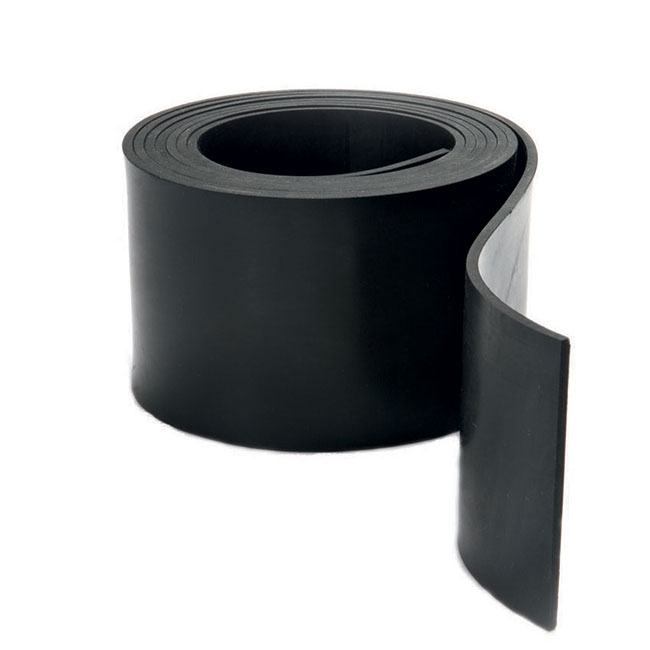
Chloroprene Rubber (Neoprene CR) Supplier
- Product Name:
- Chloroprene Rubber
- Alternative Name:
- Neoprene / CR
- CAS No.:
- 9010-98-4
- Polymer Type:
- Synthetic Rubber
- Appearance:
- White to light yellow chips or lumps
- Main Component:
- Polychloroprene
Chloroprene Rubber Supply Overview
YuXing supplies chloroprene rubber, also called polychloroprene or neoprene CR, for adhesive formulations and industrial rubber products. The correct grade is selected from the buyer’s processing method, viscosity or Mooney target, crystallization behavior, end-use performance, packaging, quantity and destination.
Browse Polymers & Rubber Raw Materials, or submit the grade, specification, application, quantity, packaging and destination port through the contact page.
Chloroprene Rubber Grade Selection
Chloroprene rubber grades are not interchangeable by product name alone. Grade codes and test methods vary by producer, so buyers should compare the current TDS or an existing approved grade rather than rely on a generic CR designation.
| Application route | Typical selection priorities | Information to submit |
|---|---|---|
| Contact and industrial adhesives | Solution viscosity, crystallization behavior, tack and formulation compatibility | Current grade, solvent or formulation system, viscosity range and bond target |
| General rubber compounds | Mooney viscosity, cure system, processing behavior and mechanical targets | Mixing process, cure system, hardness and tensile requirements |
| Molded or extruded parts | Flow, extrusion or molding behavior, ageing and compression performance | Process conditions, part type and applicable test standard |
| Cables and protective compounds | Heat, oil, weather, flame or electrical requirements | Required standard, service environment and compound formulation |
Product Specifications
| Item | Specification |
|---|---|
| Product Name | Chloroprene Rubber |
| Alternative Name | Neoprene / CR |
| CAS No. | 9010-98-4 |
| Polymer Type | Synthetic Rubber |
| Appearance | White to light yellow chips or lumps |
| Main Component | Polychloroprene |
| Solubility | Insoluble in water |
| Product Type | Synthetic Rubber / Industrial Polymer |
| Main Application | Adhesives, hoses, belts, seals, cables and rubber products |
| Typical Packaging | 25 kg bags / cartons |
Chloroprene Rubber Applications
| Application | Why CR is considered | Grade check |
|---|---|---|
| Contact and industrial adhesives | Bonding performance and formulation versatility | Solution viscosity, crystallization behavior and formulation compatibility |
| Hoses and belts | Balance of mechanical properties and resistance requirements | Compound recipe, reinforcement and service conditions |
| Seals and gaskets | Durability in specified industrial environments | Hardness, compression set, fluid exposure and temperature range |
| Cable and molded components | Processing and protective performance | Applicable standard, cure system and end-use test requirements |
Grade and Supplier Selection
Confirm the producer grade or an equivalent reference, viscosity or Mooney range, crystallization requirement, cure system, processing method and end-use test targets before ordering. A supplier comparison should use the same test methods and conditions because a similar product name does not establish technical equivalence.
Chloroprene Rubber Price and Quotation Factors
Chloroprene rubber pricing depends on the exact grade, property limits, producer or approved equivalent, order quantity, packaging, document requirements, destination and freight conditions. For a comparable quotation, provide the current grade code or TDS, annual or trial quantity, delivery term and destination port. A market price without the grade basis may not represent a technically equivalent product.
Packaging, Storage and Documents
Packaging depends on the confirmed order and shipment conditions. Review the TDS, MSDS/SDS, batch COA, storage conditions and transport requirements before procurement. Prevent contamination after opening and follow the applicable safety documentation.
Frequently Asked Questions
Is chloroprene rubber the same as neoprene?
Chloroprene rubber is polychloroprene, commonly abbreviated CR. Neoprene is a widely recognized trade name associated with polychloroprene. Procurement should identify the required CR grade and properties rather than rely on the common name alone.
What affects chloroprene rubber price?
Price depends on grade, specification limits, producer or approved equivalent, quantity, packaging, documents, destination and freight. Submit a current grade code or TDS to obtain a technically comparable quotation.
What information is needed for a quotation?
Provide the product name, target grade or specification, application, quantity, packaging, destination port and required documents.
Do the listed values apply to every batch?
No. They are common or typical values. The agreed specification, contract and batch COA govern the actual supply.
Which product documents can be provided?
TDS, MSDS/SDS and batch COA availability can be confirmed for the specific product, grade and order.
How should I select the right grade?
Share the process, target performance and current grade or supplier specification so the suitable supply grade can be reviewed.
How can I request a quotation?
Submit quantity, packaging and destination port through the contact page to confirm available grade and quotation.
Product Information Notice
- The values shown are typical reference information and are not a guaranteed sales specification. Final specifications are subject to the confirmed product, grade and batch COA.
- Packaging, transport method and hazard classification must be confirmed according to product grade, order quantity, destination regulations, shipping route and the current SDS.
- TDS, SDS/MSDS and COA files are provided according to product, batch and destination requirements. Public documents should not be treated as final delivery documents unless issued for the current batch.
- This page is for procurement discussion and technical selection reference only. It does not replace safety, regulatory, process design or site operating advice. Users must follow local regulations and the latest SDS.
