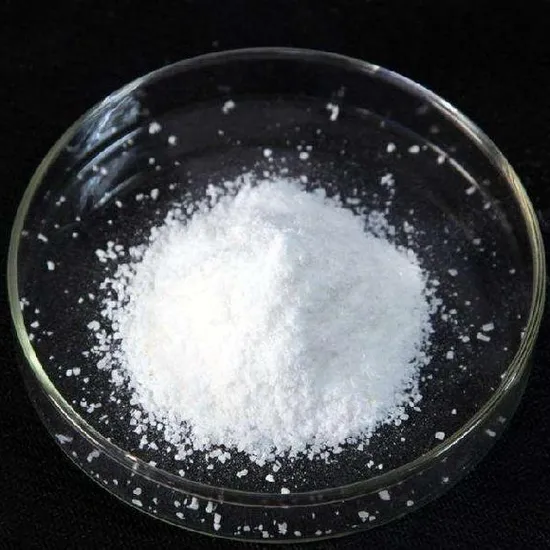
Dithiocarbamate Collector for Lead-Zinc Flotation
- Product type:
- Selective flotation collector
- Appearance:
- White, light yellow or grayish solid/powder
- Active content:
- Typically ≥90%
- Applications:
- Copper, lead-zinc and precious-metal sulfides
Dithiocarbamate collector is evaluated in sulfide ore flotation when a plant needs to balance recovery with selectivity. YuXing supplies grades typically containing ≥90% active material for copper, lead-zinc and precious-metal circuits. Product choice and dosage must be confirmed against the actual ore, water and existing reagent scheme rather than treated as a universal recipe.
Dithiocarbamate Collector Specifications
| Item | Typical supply information |
|---|---|
| Product category | Dithiocarbamate flotation collector |
| Appearance | White, light yellow or grayish solid/powder, depending on grade |
| Active content | Typically ≥90%; confirm against the offered batch specification |
| Solubility | Generally soluble in water; confirm by grade |
| Applications | Copper, lead-zinc and precious-metal sulfide flotation |
| Typical packaging | 25 kg bags or drums, subject to grade and shipment requirements |
Where Dithiocarbamate Collectors Are Evaluated
| Ore or circuit | Evaluation objective | Information to confirm |
|---|---|---|
| Copper sulfides | Selective recovery of valuable sulfide minerals | Mineralogy, oxidation level, pH and current collector |
| Lead-zinc ores | Balance lead or zinc recovery with separation selectivity | Activation/depression sequence and concentrate targets |
| Precious-metal-bearing sulfides | Assess gold or silver response associated with sulfide minerals | Metal deportment and downstream recovery route |
| Cleaner or scavenger stages | Adjust recovery-selectivity balance by flotation stage | Stage duty, circulating load and reagent carryover |
For a broader view of collector families, see types of flotation reagents and the practical comparison of xanthates versus dithiophosphates.
Dithiocarbamate vs Xanthate vs Dithiophosphate
| Collector family | Typical reason to evaluate | Key selection question |
|---|---|---|
| Dithiocarbamate | Selective sulfide or precious-metal response | Does it improve concentrate quality without unacceptable recovery loss? |
| Xanthate | Established collecting strength across many sulfide circuits | Is the required strength compatible with separation selectivity? |
| Dithiophosphate | Alternative or complementary sulfide/precious-metal collection | Does it improve recovery or selectivity in the tested ore system? |
Comparison products include sodium butyl xanthate and ammonium dibutyl dithiophosphate. These categories are not interchangeable without testing.
Recommended Laboratory and Plant Trial Workflow
- Document ore mineralogy, target mineral, head grade, grind size and process-water chemistry.
- Define the current pH, activator, depressant, frother and collector scheme.
- Screen the offered grade against the incumbent collector at controlled conditions.
- Compare recovery, concentrate grade, selectivity, froth behavior and downstream impact.
- Confirm a plant trial range only after laboratory evidence and site safety review.
YuXing’s mining and mineral processing service explains the information needed to match flotation chemicals with a circuit.
Packaging, Documents and Quotation Information
Typical supply formats include 25 kg bags or drums, depending on grade and shipment requirements. Available specification, SDS and batch documents depend on the product, producer and confirmed order. For a useful quotation, provide ore type, target mineral, flotation stage, current collector, required quantity, packaging and destination port.
Frequently Asked Questions
What is a dithiocarbamate collector used for?
It is evaluated as a selective collector in copper, lead-zinc and precious-metal sulfide flotation. The appropriate grade and reagent scheme depend on ore mineralogy and the required concentrate quality.
How does a dithiocarbamate collector compare with xanthates?
Xanthates are often selected for broad collecting strength, while dithiocarbamates may be evaluated when selectivity or precious-metal response is important. Laboratory and plant trials should determine the final choice.
Is there a standard dosage for dithiocarbamate collectors?
No universal dosage applies. Ore type, grind size, pH, water chemistry, flotation stage and the existing reagent scheme all affect the starting range.
What information is needed for a quotation?
Provide the target mineral, ore type, flotation stage, current collector scheme, required quantity, packaging preference and destination port.
Request Dithiocarbamate Collector Supply
Contact YuXing with your ore and procurement details to discuss a suitable supply option and document availability.
Product Information Notice
- The values shown are typical reference information and are not a guaranteed sales specification. Final specifications are subject to the confirmed product, grade and batch COA.
- Packaging, transport method and hazard classification must be confirmed according to product grade, order quantity, destination regulations, shipping route and the current SDS.
- TDS, SDS/MSDS and COA files are provided according to product, batch and destination requirements. Public documents should not be treated as final delivery documents unless issued for the current batch.
- This page is for procurement discussion and technical selection reference only. It does not replace safety, regulatory, process design or site operating advice. Users must follow local regulations and the latest SDS.
