CTAC 30% (Cetyltrimethylammonium Chloride)
- INCI name:
- Cetrimonium Chloride
- Active matter:
- 28.0-32.0%
- Appearance:
- Colorless to light yellow clear liquid
- CAS No.:
- 112-02-7
- Formula:
- C₁₉H₄₂ClN
- Packaging:
- 200 kg/drum or 1000 kg/IBC
CTAC 30% Supplier: Cetrimonium Chloride Cationic Surfactant
CTAC 30% is a cetrimonium chloride aqueous solution with 28.0-32.0% active matter. The chemical name is cetyltrimethylammonium chloride, while Cetrimonium Chloride is the INCI name used in personal-care ingredient lists. It is a cationic quaternary ammonium surfactant used for conditioning, antistatic and softening performance in hair-care, textile and selected industrial formulations.
For a quotation, send the target application, required quantity, destination port and packaging preference through the contact page. Related products are listed in the Surfactants category.
CTAC 30% Specifications
| Item | Typical Specification |
|---|---|
| Product Name | CTAC 30% / Cetyltrimethylammonium Chloride 30% |
| INCI Name | Cetrimonium Chloride |
| CAS No. | 112-02-7 |
| Molecular Formula | C₁₉H₄₂ClN (active compound) |
| Molecular Weight | 320.0 g/mol (active compound) |
| Appearance at 25°C | Colorless to light yellow clear liquid |
| Active Matter | 28.0-32.0% |
| Color | ≤50 APHA |
| pH | 5.0-7.0 (10% aqueous solution, 25°C) |
| Free Amine | ≤0.5% |
| Packaging | 200 kg/drum or 1000 kg/IBC |
The values above are typical purchasing specifications for the stated grade. Final requirements should be confirmed against the agreed specification and current batch documents before ordering.
CTAC INCI Name, Chemical Name and Identifiers
CTAC is the common abbreviation for cetyltrimethylammonium chloride. Its cosmetic INCI name is Cetrimonium Chloride. The active compound has CAS No. 112-02-7, molecular formula C₁₉H₄₂ClN and molecular weight 320.0 g/mol. On this page, CTAC 30% means the aqueous liquid grade with 28.0-32.0% active matter; it should not be confused with pure crystalline material or higher-active grades. Buyers should confirm concentration, solvent system and grade before comparing quotations.
CTAC 30% Applications
- Hair conditioners and hair masks: conditioning, detangling and antistatic performance.
- Hair styling systems: improved manageability and reduced static in suitable formulations.
- Fabric softeners and textile finishing: cationic softening and antistatic treatment.
- Industrial formulations: selected emulsifying, wetting, dispersing or cationic surface-treatment applications after compatibility testing.
Use level and performance depend on the complete formulation, pH, electrolyte content and other surfactants. Formulation testing is required before commercial production.
CTAC vs CAPB vs SLES
| Product | Ionic Type | Primary Formulation Role | Typical Applications |
|---|---|---|---|
| CTAC 30% | Cationic | Conditioning, antistatic and softening | Hair conditioners, fabric softeners and textile finishing |
| Cocamidopropyl Betaine (CAPB) | Amphoteric | Mild cleansing, foam support and compatibility | Shampoo, body wash and facial cleansers |
| SLES 70% | Anionic | Cleansing and foaming | Shampoo, liquid soap and detergent systems |
These products are not direct substitutes. CTAC is cationic and can interact with anionic surfactants such as SLES, so compatibility, order of addition and finished-formula stability should be tested rather than assumed.
Grade and Formulation Selection
- Confirm whether the formulation requires a cationic conditioner, antistatic agent or textile softener.
- State the required active-matter range and whether CTAC 30% is suitable for the production process.
- Check compatibility with anionic ingredients, electrolytes, fragrances and preservatives.
- Confirm the target pH, appearance, viscosity and finished-product stability through formulation testing.
- Request grade-specific specifications before approving a sample or bulk order.
Packaging and Bulk Supply
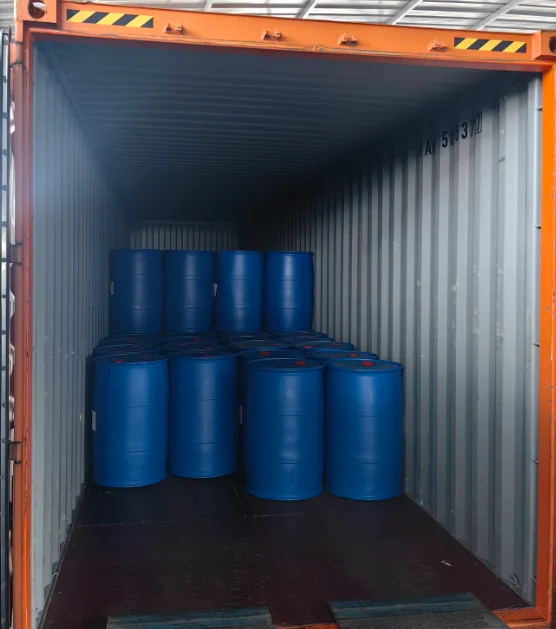
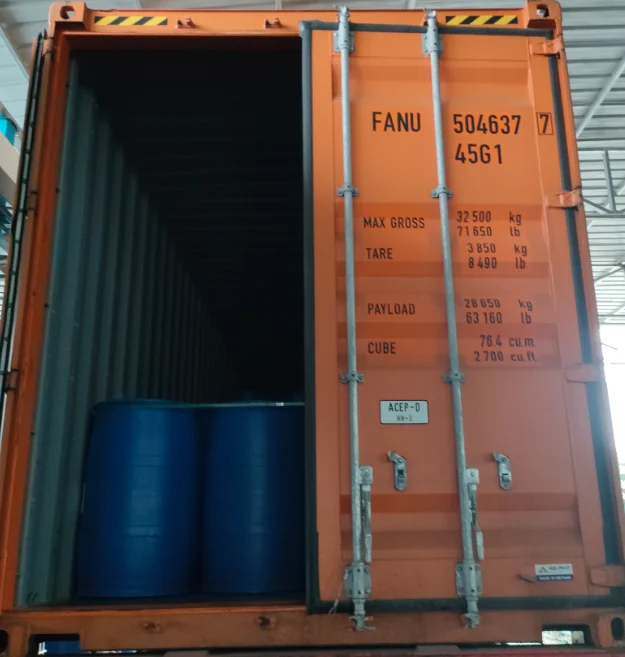
Standard packaging is 200 kg drums or 1000 kg IBC tanks. Storage conditions, shelf life, transport classification and handling requirements must be confirmed against the current grade-specific safety information and destination requirements. Technical, safety and batch quality documents are provided after the grade, order and destination are confirmed.
Information Needed for a CTAC Quotation
- Target application and finished-product type.
- Required active matter, pH or other agreed specification.
- Required quantity and preferred packaging.
- Destination country and destination port.
- Sample requirement and expected purchasing schedule.
- Any customer-specific testing, labeling or documentation requirements.
Request a CTAC 30% quotation with the information above so that availability, packaging, documents and delivery terms can be confirmed for the selected grade.
CTAC 30% Shipment Photos
Frequently Asked Questions
What is CTAC 30% used for?
CTAC 30% is used as a cationic surfactant in hair conditioners, hair masks, fabric softeners, textile finishing and selected industrial formulations that require conditioning, antistatic or softening performance.
Is CTAC the same as cetrimonium chloride?
CTAC is a common abbreviation for cetyltrimethylammonium chloride. Cetrimonium chloride is the INCI name used for the same active compound in personal-care ingredient listings.
What is the CAS number and molecular formula of CTAC?
The active compound has CAS No. 112-02-7, molecular formula C₁₉H₄₂ClN and molecular weight 320.0 g/mol. CTAC 30% is an aqueous solution of this active compound.
What is the active matter of CTAC 30%?
The typical active-matter specification on this page is 28.0-32.0%. The final specification should be confirmed for the selected grade and order.
Can CTAC be used with SLES or other anionic surfactants?
CTAC is cationic and can interact with anionic surfactants. Compatibility depends on the complete formulation, concentrations and process conditions, so stability and performance testing are required before commercial use.
What packaging is available for CTAC 30%?
Standard packaging is 200 kg drums or 1000 kg IBC tanks. Final packaging and shipment terms are confirmed according to quantity and destination.
How are technical and batch documents provided?
Grade-specific technical data, safety information and batch quality documents are provided during formal inquiry and order confirmation according to the selected grade, batch and destination requirements.
How can I request a CTAC quotation?
Submit the application, required quantity, active specification, packaging preference and destination port through the contact page. YuXing will confirm suitable supply options and quotation details.
Product Information Notice
- Specifications, appearance and performance information on this page are typical or reference values. Final requirements are confirmed by the agreed specification and current batch documents.
- Packaging, transport method, hazard classification, storage and handling must be confirmed according to the product grade, order, destination regulations, shipping route and current safety information.
- This page supports procurement discussion and product selection. It does not replace formulation validation, regulatory review, safety documentation or site operating procedures.
Product Information Notice
- The values shown are typical reference information and are not a guaranteed sales specification. Final specifications are subject to the confirmed product, grade and batch COA.
- Packaging, transport method and hazard classification must be confirmed according to product grade, order quantity, destination regulations, shipping route and the current SDS.
- TDS, SDS/MSDS and COA files are provided according to product, batch and destination requirements. Public documents should not be treated as final delivery documents unless issued for the current batch.
- This page is for procurement discussion and technical selection reference only. It does not replace safety, regulatory, process design or site operating advice. Users must follow local regulations and the latest SDS.
