YuXing supplies bulk surfactants for detergent, personal care, textile and industrial formulations. The current range includes SLES 70% as an anionic surfactant, CTAC / Cetrimonium Chloride as a cationic surfactant and Cocamidopropyl Betaine / CAPB as an amphoteric surfactant.
Product selection should start from ionic type, active matter, formulation pH, compatibility and end-use performance. Send the product or current grade, application, quantity, packaging preference, destination port and required documents for specification review and quotation.
Surfactant Products
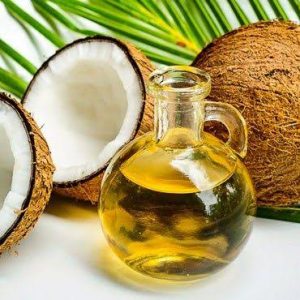
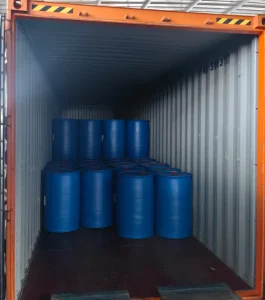
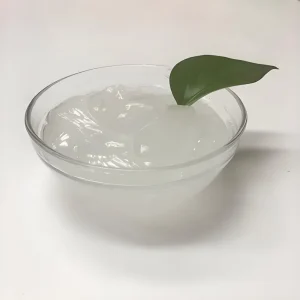
Surfactant Supply Overview
| Category | Industrial surfactants |
| Main products | SLES 70%, CTAC / Cetrimonium Chloride, Cocamidopropyl Betaine / CAPB |
| Ionic types | Anionic, cationic and amphoteric |
| Applications | Detergent, personal care, textile finishing, cleaning and industrial formulations |
| Selection inputs | Active matter, ionic type, pH, compatibility, appearance and end-use target |
| Documents | Current TDS, SDS/MSDS and batch-document availability confirmed for the product and order |
| Inquiry details | Product or grade, application, quantity, packaging, destination port and document requirements |
SLES 70% vs CTAC vs CAPB
| Product | Ionic Type | Common Formulation Role | What Buyers Should Confirm |
|---|---|---|---|
| SLES 70% | Anionic | Primary cleansing, detergency and foam generation | Active matter, EO grade, sodium sulfate, free oil, color and packaging |
| CTAC | Cationic | Conditioning, antistatic performance and textile softening | Active content, solvent system, pH, appearance and anionic compatibility |
| CAPB | Amphoteric | Mild cleansing, foam support and formulation compatibility | Active matter, pH, salt content, color, odor and formulation target |
These products are not direct substitutes in every formulation. Anionic and cationic surfactants can be incompatible, while amphoteric surfactants may behave differently as formulation pH changes. Bench formulation testing should confirm performance before a bulk change.
Applications by Industry
| Application | Typical Requirements | Products to Evaluate |
|---|---|---|
| Detergents and cleaners | Detergency, foam, wetting, stability and cost control | SLES 70%, CAPB and compatible blended systems |
| Personal care | Mildness, foam quality, conditioning and viscosity response | SLES 70%, CAPB or CTAC depending on product type |
| Textile finishing | Softening, antistatic behavior and process compatibility | CTAC and application-specific surfactant systems |
| Industrial formulations | Wetting, emulsification, dispersion or surface modification | Selected anionic, cationic or amphoteric grades |
How to Choose a Surfactant Grade
- Ionic type: confirm whether the formulation requires anionic, cationic, amphoteric or a compatible blend.
- Active matter: compare concentration on the same analytical basis.
- Formulation conditions: provide pH, salt level, temperature and other raw materials that affect compatibility.
- Performance target: state the required detergency, foam, mildness, conditioning, wetting or antistatic effect.
- Commercial requirements: include quantity, packaging, destination port and document needs.
Procurement and Export Support
YuXing coordinates grade confirmation, product-specific packaging information and available technical or batch documents for surfactant inquiries. Packaging and shipment conditions depend on product form, active matter, quantity, route and destination requirements.
Send the product or current grade, application, quantity and destination through the YuXing inquiry page. For the wider catalog, visit all chemical products.
FAQ: Surfactant Supply
What surfactants does YuXing supply?
YuXing supplies SLES 70% Sodium Lauryl Ether Sulfate, CTAC / Cetrimonium Chloride and Cocamidopropyl Betaine / CAPB for detergent, personal care, textile and industrial formulations.
What is the difference between SLES, CTAC and CAPB?
SLES is an anionic cleanser and foaming agent, CTAC is a cationic conditioning and antistatic surfactant, and CAPB is an amphoteric surfactant used for mild cleansing and foam support.
Can anionic and cationic surfactants be mixed?
They may be incompatible or form complexes that change performance. Compatibility should be tested in the complete formulation rather than assumed from individual product data.
Which documents can be confirmed?
Current TDS, SDS/MSDS and batch-document availability can be confirmed according to the product, grade, order and destination requirements.
What information is needed for a bulk quotation?
Provide the product or current grade, active matter, application, quantity, packaging preference, destination port and required documents.
