Sodium cyanide is transported as a tightly controlled Class 6.1 toxic dangerous good, using approved packaging, correct marks and documents, qualified carriers, planned routes and a shipment-specific emergency response system. For solid sodium cyanide, the commonly used entry is UN 1689, SODIUM CYANIDE, SOLID, Packing Group I. The exact requirements depend on the product form, transport mode, origin, transit countries and destination.
This guide explains the practical controls a buyer should verify before shipment. It is not a substitute for the current modal regulations, the product safety data sheet (SDS), carrier instructions or advice from the competent authorities responsible for the route.
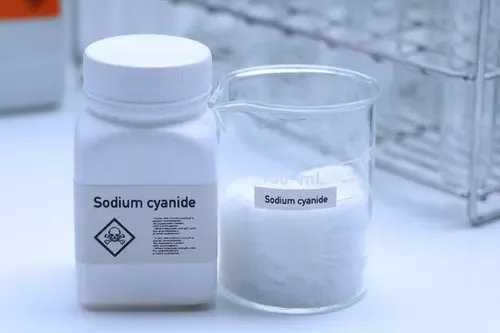
How Is Sodium Cyanide Classified for Transport?
The UN dangerous-goods system identifies solid sodium cyanide as UN 1689, Class 6.1 (toxic substances), Packing Group I. Packing Group I indicates a high degree of danger and drives strict packaging, marking, documentation and handling controls. A sodium cyanide solution uses a different UN entry, so the shipper must classify the actual product rather than reuse paperwork prepared for a solid.
| Item to confirm | Why it matters |
|---|---|
| Proper shipping name and UN number | Determines the applicable dangerous-goods entry and documents. |
| Physical form and concentration | Solid and solution entries are not interchangeable. |
| Hazard class and packing group | Controls packaging performance, labels and handling requirements. |
| Transport mode and complete route | Sea, road, rail and air rules differ, and national requirements can add controls. |
| Destination permits and end-user information | Import, transit and controlled-chemical requirements must be cleared before dispatch. |
Which Rules Apply in 2026?
UN Model Regulations
The UN Model Regulations, Revision 24 (2025) provide the international framework from which modal and national dangerous-goods rules are developed. They are a reference framework, not a single shipping permit valid in every country.
Ocean transport: IMDG Code
For packaged dangerous goods carried by sea, the International Maritime Dangerous Goods Code governs classification, packaging, marking, documentation, stowage and segregation. The IMO states that the 2024 Edition incorporating Amendment 42-24 became mandatory on 1 January 2026. Exporters should therefore confirm that the freight forwarder, carrier and documents use the edition currently in force.
Road, rail and air requirements
Road and rail legs are governed by the applicable national or regional rules, such as ADR where it applies. Air transport follows ICAO requirements as implemented operationally through the current IATA Dangerous Goods Regulations and airline variations. Sodium cyanide is highly restricted, so acceptance must be confirmed with the selected carrier before booking.
International Cyanide Management Code
The Cyanide Code is an important industry framework for cyanide used in gold and silver mining, but it is voluntary and does not replace law. Its transportation guidance covers route selection, carrier oversight, interim storage, training and emergency response across road, rail, port and marine segments. Buyers operating under the Code should verify the certification or due-diligence status of the complete supply chain using the current ICMI transportation documents.
How Is Solid Sodium Cyanide Packaged?
Mining-grade sodium cyanide is commonly supplied as solid briquettes or granules in sealed, approved packages designed to prevent product loss and moisture ingress. The exact configuration may use drums, boxes, intermediate packaging or freight containers, but there is no single “double-wall ISO container” specification that automatically applies to every shipment.
The packaging system must match the UN entry, packing instruction, net quantity, transport mode and approval marks. Before loading, the responsible parties should verify package integrity, closures, labels, container condition, load securing and segregation from incompatible cargo. Because contact with acids can release highly toxic hydrogen cyanide gas, incompatibility controls are critical. Water and moisture exposure also require strict prevention and incident planning.
What Does a Controlled Shipment Process Include?
1. Pre-shipment document review
Confirm the commercial invoice, packing list, SDS, dangerous-goods declaration, package details, carrier instructions and any import, transit or end-user documents required for the destination. Product name, UN number, class, packing group, quantity and package count must agree across the document set.
2. Carrier and route qualification
Use carriers authorized and competent for toxic dangerous goods. Review the route, border and port interfaces, secure parking or interim storage, communication coverage, transfer points and emergency-response capability. For Cyanide Code supply chains, the consignor’s carrier selection and oversight are part of the management system.
3. Loading, sealing and custody controls
Inspect packages and the cargo unit before loading, secure the load against movement, apply the required marks and placards, record seal numbers and establish a clear handover process. Access should be limited to trained, authorized personnel.
4. Communication and shipment monitoring
Shipment status, planned check-ins and escalation contacts should be agreed before departure. GPS or satellite tracking can be a useful risk control, especially on long or remote routes, but it should not be presented as a universal legal requirement. Tracking does not replace driver training, route assessment or emergency readiness.
5. Controlled receipt at the mine or customer site
The receiving site should be ready before arrival, verify the seal and package condition, control unloading access and reconcile the shipment against the documents. For mining use, connect procurement planning with the operating controls described in our guide to how sodium cyanide is used in mining.
Emergency Response: What Should Be Prepared?
A route-specific emergency plan should define who raises the alarm, who controls the scene, which public authorities and specialist responders are contacted, what information travels with the shipment, and how people and the environment are protected. Drivers and relevant personnel need training appropriate to their role, with drills and current contact lists.
Do not turn a general article into a spill-treatment procedure. Responders must use the product SDS, applicable emergency guide and instructions from the competent authority. Untrained personnel should not touch spilled material or improvise neutralization. Acid contact must be prevented, entry to drains or waterways controlled where this can be done safely, and the area isolated by trained responders. The US DOT’s Emergency Response Guidebook is designed for the initial phase of transport incidents; local rules and professional response plans remain decisive.
Sodium Cyanide Procurement and Transport Checklist
- Confirm product form, concentration, UN number and current SDS.
- Verify the package type, approval marks, quantity limits and moisture protection.
- Identify every road, rail, sea, air, port and interim-storage segment.
- Confirm carrier authorization, dangerous-goods competence and route acceptance.
- Review import, transit, end-user and controlled-chemical documentation.
- Agree shipment communication, security and emergency-response responsibilities.
- Ensure the receiving site is prepared for controlled unloading and storage.
For product specifications and document availability, see YuXing’s sodium cyanide product page. Buyers can also review our sodium cyanide safety and supplier checklist and mining chemical supply service.
Frequently Asked Questions
Is sodium cyanide transported as a solid or a liquid?
Both forms exist, but mining supply is commonly shipped as solid briquettes or granules. The solid and solution forms use different dangerous-goods entries, so the shipper must classify and document the actual product.
What is the UN number for solid sodium cyanide?
Solid sodium cyanide is commonly classified as UN 1689, SODIUM CYANIDE, SOLID, Class 6.1, Packing Group I. Always verify the current SDS and the regulations in force for the shipment’s mode and route.
Is the International Cyanide Management Code legally mandatory?
No. The Cyanide Code is a voluntary industry program and does not replace national, local or modal transport laws. Certified mining supply chains may nevertheless require Code-conforming transporters and documented due diligence.
Is GPS tracking required for every sodium cyanide shipment?
Not as a universal global rule. Tracking may be required by a company, carrier, permit, insurer or route-specific risk assessment. It is a useful control, but it cannot replace compliant packaging, trained personnel and emergency planning.
What information should a buyer provide for a transport review?
Provide the product form, specification, quantity, package preference, destination country and port, end use, requested delivery schedule and available import or end-user permits. The final route and document list must be confirmed before shipment.
Request a Route and Document Review
Share the product specification, quantity, destination port and end-use information when requesting a quotation. YuXing can review available product documentation, packaging options and export-supply feasibility; final transport approval remains subject to the selected carriers, authorities and regulations. Contact YuXing for a shipment-specific discussion.
Reference basis: UN Model Regulations Rev. 24 (2025); IMO IMDG Code 2024 Edition including Amendment 42-24; ICMI Guidance for Use of the Cyanide Transportation Verification Protocol; and the US DOT 2024 Emergency Response Guidebook. Verify the current official text and competent-authority requirements for every shipment.
